Author: Roberto Bernardi

  • Motorbike vs small performance car: which really suits city petrolheads?

    Motorbike vs small performance car: which really suits city petrolheads?

    If you are a city petrolhead, the motorbike vs small performance car debate hits different. Both are rapid, both look the part, and both make late-night food runs way more fun than they need to be. But day to day, they live very different lives in urban and suburban streets.
    Motorbike vs small performance car: daily running costs

    On pure fuel spend, the bike usually wins. A half-decent 600 cc bike will sip fuel compared with a spicy little hatch. Insurance can flip either way though. Newer riders get stung hard on bike premiums, while an older driver in a small performance car can sometimes pay less overall, especially with a clean history.

    Tyres and consumables are sneakier. Bike tyres are cheaper each, but you burn through them faster, especially if you ride hard. A small performance car on decent rubber costs more per corner, but you usually get more miles. Servicing is similar: bikes often have shorter service intervals, while cars can stretch them out but hit you with bigger bills when something finally goes bang.

    Parking, traffic and quick escapes

    In the motorbike vs small performance car battle, parking is where bikes absolutely clown cars in the city. Filtering through queues, sliding into tiny gaps, parking up almost on the doorstep of your favourite late-night burger spot – two wheels are king here. You dodge half the multi-storey drama and can usually find a slot even when the car park is rammed.

    Small performance cars do fight back with comfort and practicality. You can still dive down tight side streets, squeeze into compact bays and bounce between suburbs without stressing about luggage or passengers. A hot hatch or baby coupe is the sweet spot for those quick escapes from city traffic where you want speed plus somewhere to throw your mates and a stack of takeaway bags.

    Weather pain and real-world comfort

    Weather is where the romance of bikes gets slapped by reality. Rain, wind and cold hit hard when you are exposed. Even with good kit, a winter commute on a bike can feel like punishment. In summer, a bike is pure vibes, but the second the skies flip, you are soaked, steamed up and hunting for shelter.

    A small performance car keeps the chaos outside. Heater on, tunes up, dry chips on the passenger seat – that matters when you are doing late-night drives or cruising between food spots. No helmet hair, no soggy gloves, no trying to strap hot takeaway to a pillion seat without it exploding.

    Safety kit, licence faff and learning curve

    Bikes demand commitment before you even move. Helmet, jacket, gloves, boots, maybe trousers – the full armour. Good gear is not cheap, and you really do not want to skimp. Then there is the licence ladder: theory, CBT, restricted stages, and finally the big-boy test. All of that costs time and cash.

    With a small performance car, the licence route is more straightforward. One test, one pass, then you are free to upgrade your wheels as you like. Safety kit is simpler too – seatbelt, maybe a decent dashcam, and you are rolling. The learning curve is gentler: stalling a car at the lights is embarrassing, but dropping a bike hurts your ego and your bodywork.

    Late-night drives, food runs and pure vibe

    This is where personality kicks in. A bike on empty city streets at night is unreal – quick blasts between lights, engine echoing off buildings, slipping through gaps when everyone else is stuck. For solo missions, it is hard to beat.

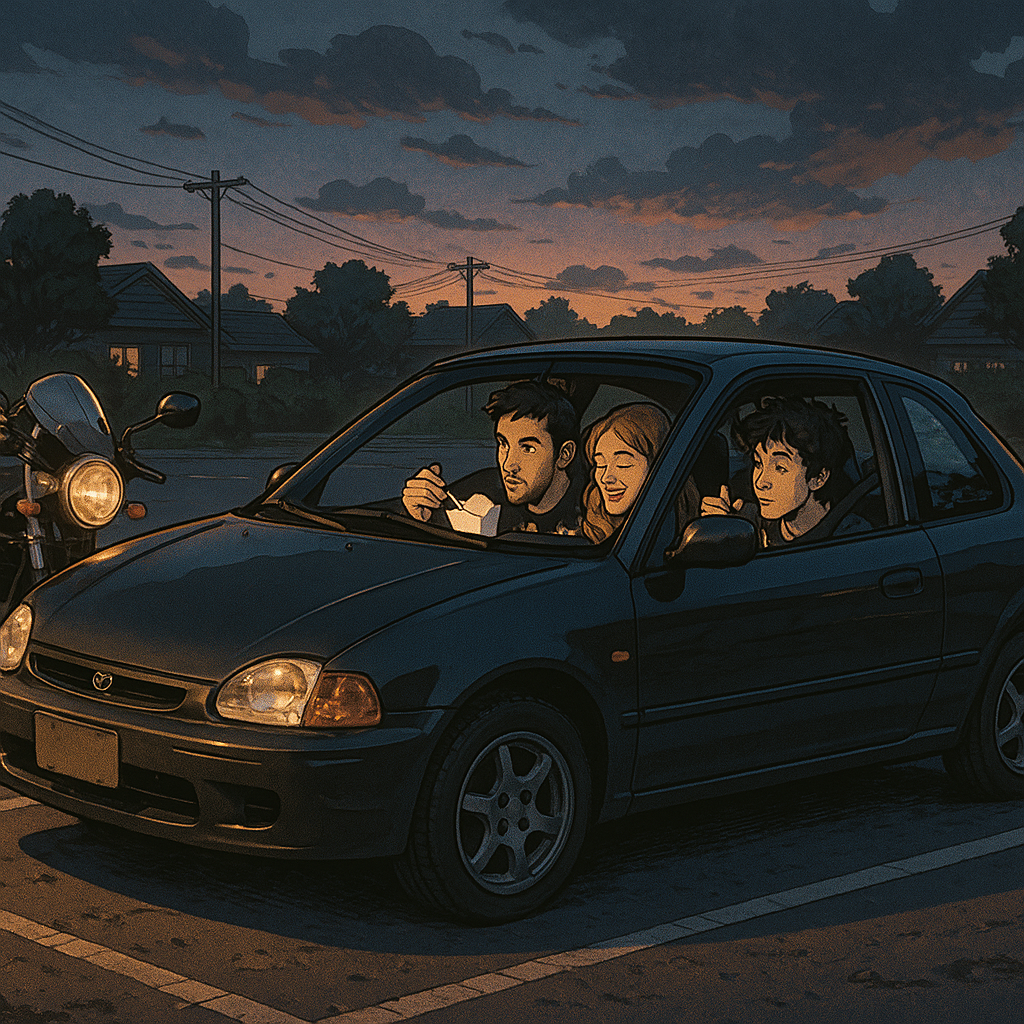
    But a small performance car turns late-night food runs into a squad activity. Windows down, music up, everyone arguing about which drive-thru hits hardest, then smashing chips in a quiet suburban car park – that is a whole culture. You have boot space for crates, snacks and random car meet essentials, and you are not worrying about where to strap a pizza box.
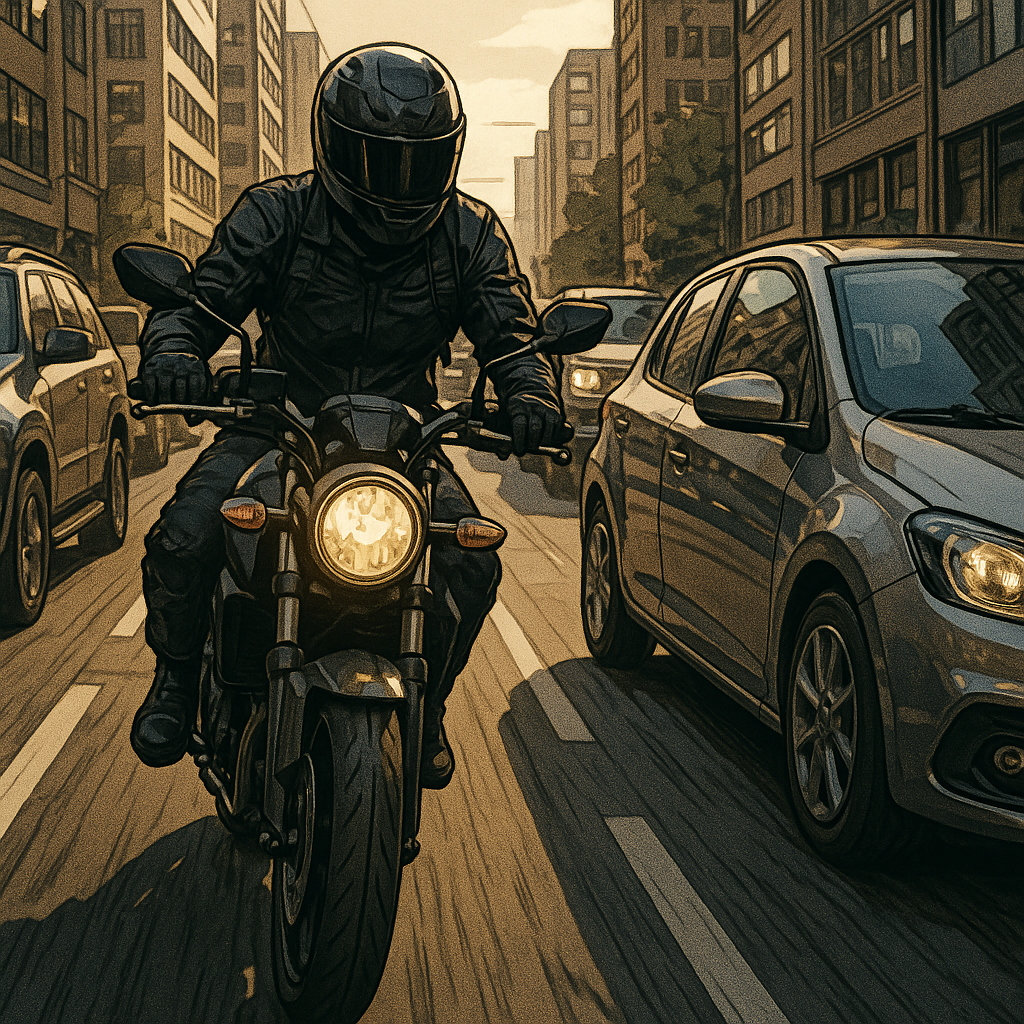
    City traffic showing advantages of motorbike vs small performance car for filtering and parking
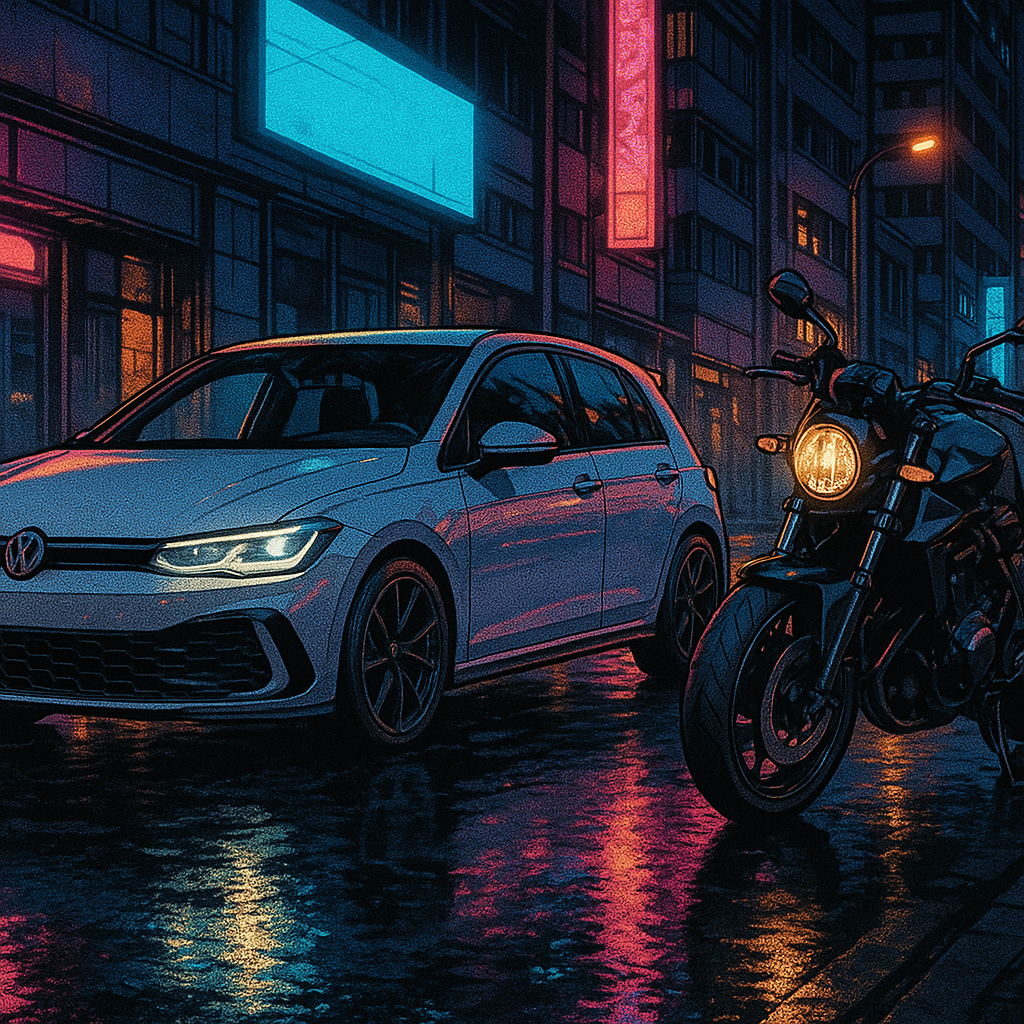
    Late-night food run comparing motorbike vs small performance car vibes with friends

    Motorbike vs small performance car FAQs

    Is a motorbike or small performance car cheaper to run in the city?

    Fuel and parking usually favour the bike, especially in busy city centres where you can filter and park in smaller spaces. However, insurance, tyres, servicing and safety gear can narrow the gap. A small performance car may cost more in fuel and parking, but can work out similar overall if you have a good driving record and spread maintenance costs over time.

    Which is better for late-night food runs, a bike or a small car?

    For pure solo thrill, a bike wins on late-night city blasts. But for food runs, a small performance car is usually more practical and more social. You can bring friends, keep food flat and warm, stay dry in bad weather and chill in comfort in a car park without worrying about helmets, gloves and where to strap the takeaway.

    How bad is the licence faff for getting a motorbike compared with a car?

    Getting a bike licence often involves multiple steps: CBT, theory, and staged tests depending on your age and engine size. Each step costs money and time. A car licence is normally a single route: lessons, theory, then one practical test. If you want the quickest, simplest path to getting on the road in the city, the small performance car route is usually less hassle.
  • Why JDM Camper Vans Are The Ultimate Foodie Road Trip Hack

    Why JDM Camper Vans Are The Ultimate Foodie Road Trip Hack

    If you are into late night drives, car meets and hunting down the best street food, JDM camper vans are basically cheat codes for life. They mix car culture with a rolling kitchen, so you can bounce from burger joints to ramen spots and still have your own base camp on wheels.

    Why JDM camper vans are blowing up with car foodies

    Car people hate being basic, and JDM camper vans are anything but. You get all the quirky Japanese engineering, sliding doors, boxy vibes and mad interior layouts, but with space to stash grills, cool boxes and a full snack arsenal. It is like a meet car, chill spot and food truck mashed into one.

    Compared to a regular people carrier, a kitted JDM van lets you pull up at a food market, flip the boot, drop the tailgate chairs and turn the car park into your own mini pit lane diner. You are not stuck in a queue for a sad service station sandwich – you are heating leftovers or plating up your own tacos while everyone else is scrolling their phones.

    Best JDM camper vans for UK road trip munch

    There are loads of vans in the scene, but a few models properly slap for food-focused trips:

    • Nissan Elgrand – Big, comfy and smooth for long motorway pulls. Massive boot for fridges, gas stoves and folding tables, plus the interior is easy to reconfigure.
    • Toyota Alphard – More luxury vibes. Ideal if you want leather seats, chilled cruising and space to turn the rear into a lounge while you demolish a late night takeaway.
    • Mitsubishi Delica – The off road warrior. If your ideal meal spot is some sketchy lane overlooking a valley, this thing will get you there with the cool factor cranked to 11.

    Most owners start with basic camper style mods: swivel seats, fold out beds, blackout curtains and clever storage. Then the food gear creeps in – portable gas hob, compact barbecue, 12 volt cool box and a stash of plates and utensils that just live in the van full time.

    Setting up a simple van kitchen for meet nights

    You do not need a full chef spec conversion to enjoy proper grub out of your van. A simple, legal and safe setup can still be vibes:

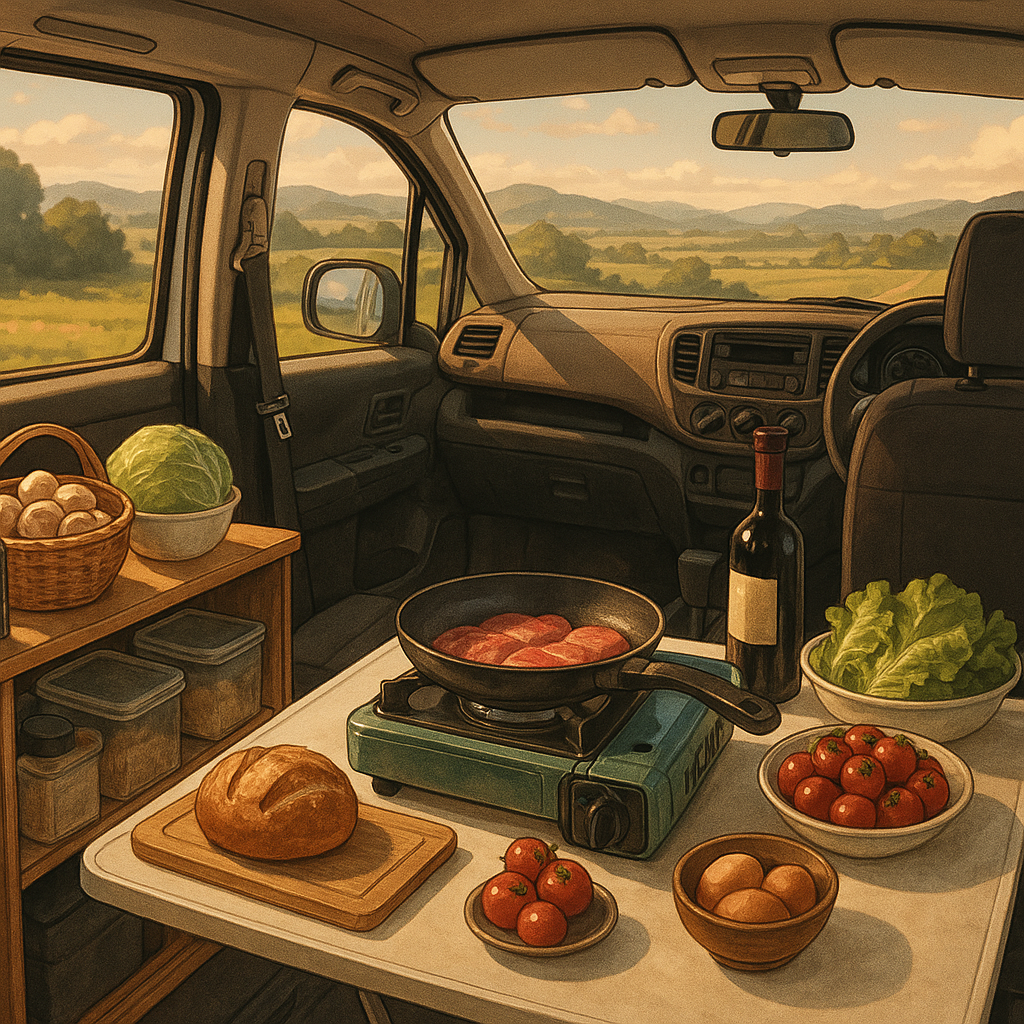
    • Boot kitchen box – A plastic crate with gas stove, pan, kettle, chopping board, oil, seasoning and instant noodles or pasta. Slide it out, cook, slide it back.
    • Cool box or mini fridge – Keep drinks cold and store burger patties, pre marinated chicken or veggies ready to hit the pan.
    • Fold out table – Essential for prepping food without balancing everything on your lap or bumper.
    • LED lighting – Stick on strips or rechargeable lanterns so you can see what you are cooking after dark.

    Just remember the basics: cook outside the van, keep gas canisters stored safely, and clean up properly so your ride does not smell like last week’s kebab.

    Planning a UK foodie road trip in a JDM van

    With fuel prices doing their thing, you want every mile to count. Plan your route around proper food hotspots: coastal fish and chips, city street food markets, late night dessert bars and indie coffee spots near scenic roads. Use the van as your moving HQ – eat out when something looks unreal, then use the onboard setup for breakfast and late night snacks.

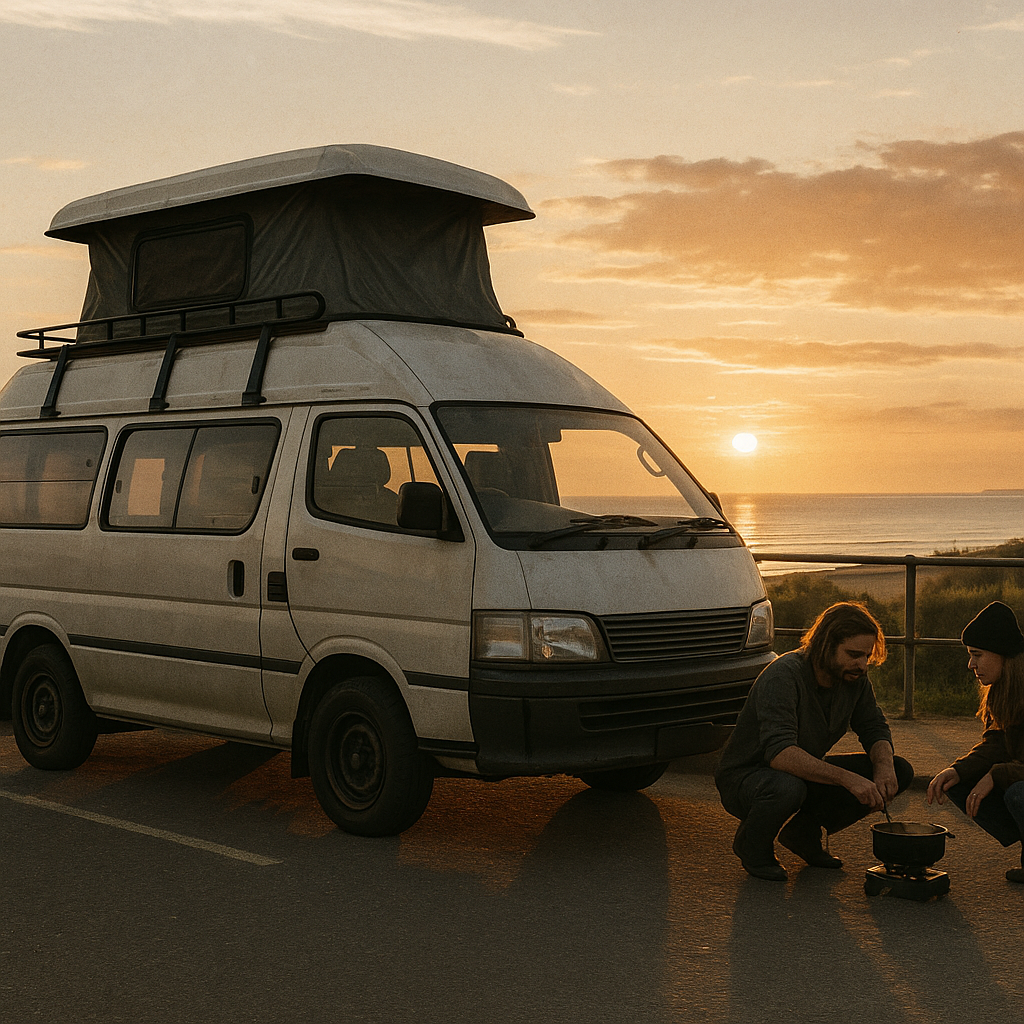
    Car parks near beaches, dams and viewpoints are prime. Rock up before sunset, cook something simple, then chill in the back with music on while the world goes quiet. It is the same freedom bikers brag about, just with better legroom and hot food.

    Keeping your van ready for the next food run

    If you are running older imports, parts and maintenance are non negotiable. Suspension, brakes and cooling systems all take a beating when the van is loaded with mates and gear. Source decent spares and keep on top of servicing so your next burger run does not end on the hard shoulder. If you are rolling a Mitsi, you can even grab delica parts online to keep your rig mint.

    Compact van kitchen setup inside JDM camper vans ready for a foodie road trip
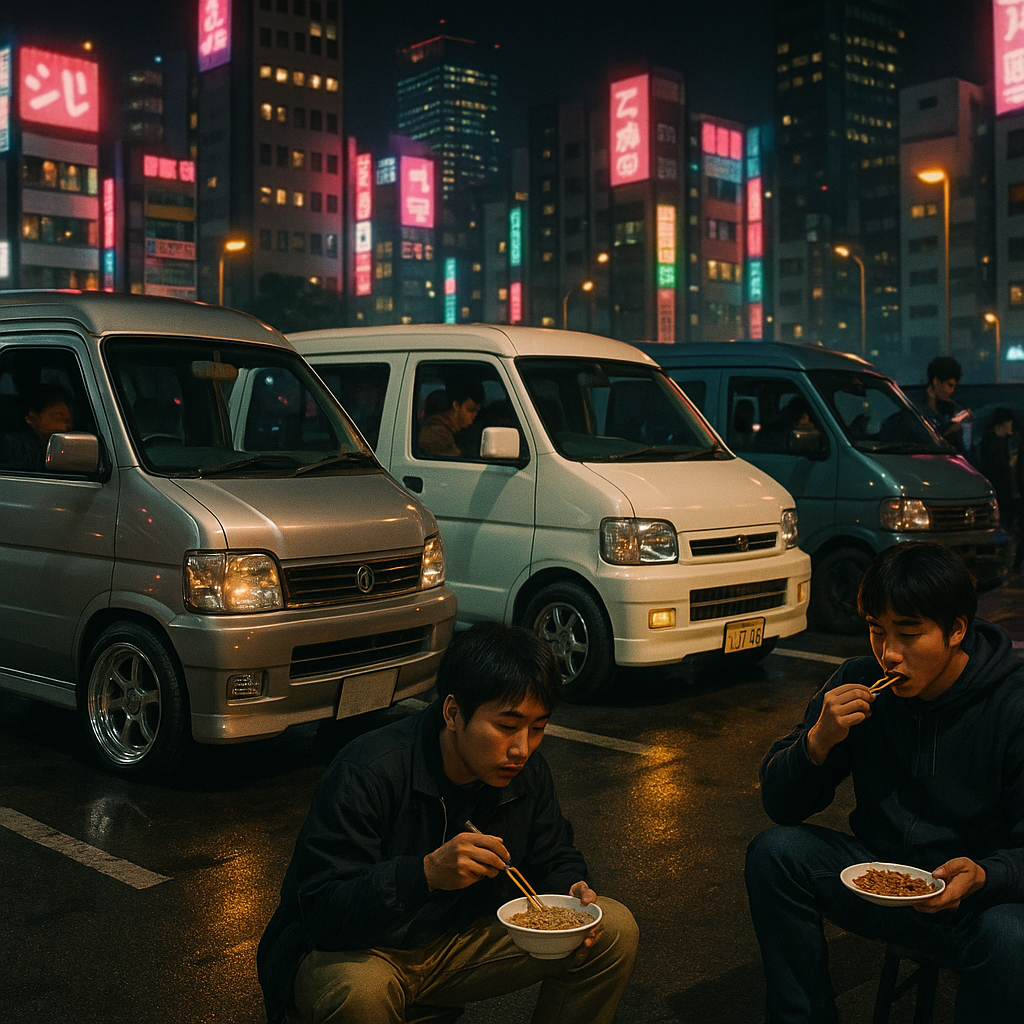
    Night car meet scene with JDM camper vans and drivers sharing street food

    JDM camper vans FAQs

    Are JDM camper vans legal to drive in the UK?

    Yes, JDM camper vans are legal in the UK as long as they are properly imported, registered and insured. Many come in as grey imports and need IVA or MOT checks, UK plates and correct headlight and speedometer conversions. Once that is sorted, they can be driven like any other van, subject to the usual road rules, weight limits and emissions requirements in certain city zones.

    Do I need a special licence to drive a JDM camper van?

    Most JDM camper vans fall within the standard car licence category, so if you can legally drive a normal car you can usually drive these too. The key thing is the gross vehicle weight rating – if it is under 3.5 tonnes you are typically fine on a standard licence. Always check the logbook and your licence categories if you are looking at a bigger or heavily converted van.

    What should I pack for a foodie road trip in a JDM van?

    For a foodie road trip, pack the basics: a safe portable stove, pans, a kettle, utensils, chopping board, cleaning gear and a cool box or 12 volt fridge. Add simple ingredients like pasta, rice, sauces, wraps and snacks so you are never stuck hungry between stops. Do not forget rubbish bags, wet wipes, hand sanitiser and a decent torch or LED lights so cooking and cleaning up after dark stays easy and safe.