Author: Sophis Davies

  • The Best Burgers in the UK: A Road Map for Hungry Petrolheads

    The Best Burgers in the UK: A Road Map for Hungry Petrolheads

    Some drives are about the destination. Others are about what you eat when you get there. The best burgers UK road trip has become a proper pilgrimage for petrolheads who know that a great smash burger hits different after a decent stretch of A-road. Whether you’re in a slammed Civic or a borrowed Land Rover, this is your definitive map of where to point the bonnet when hunger strikes.

    We’ve eaten our way across the country so you don’t have to guess. These aren’t just good burgers. They’re worth burning fuel for.

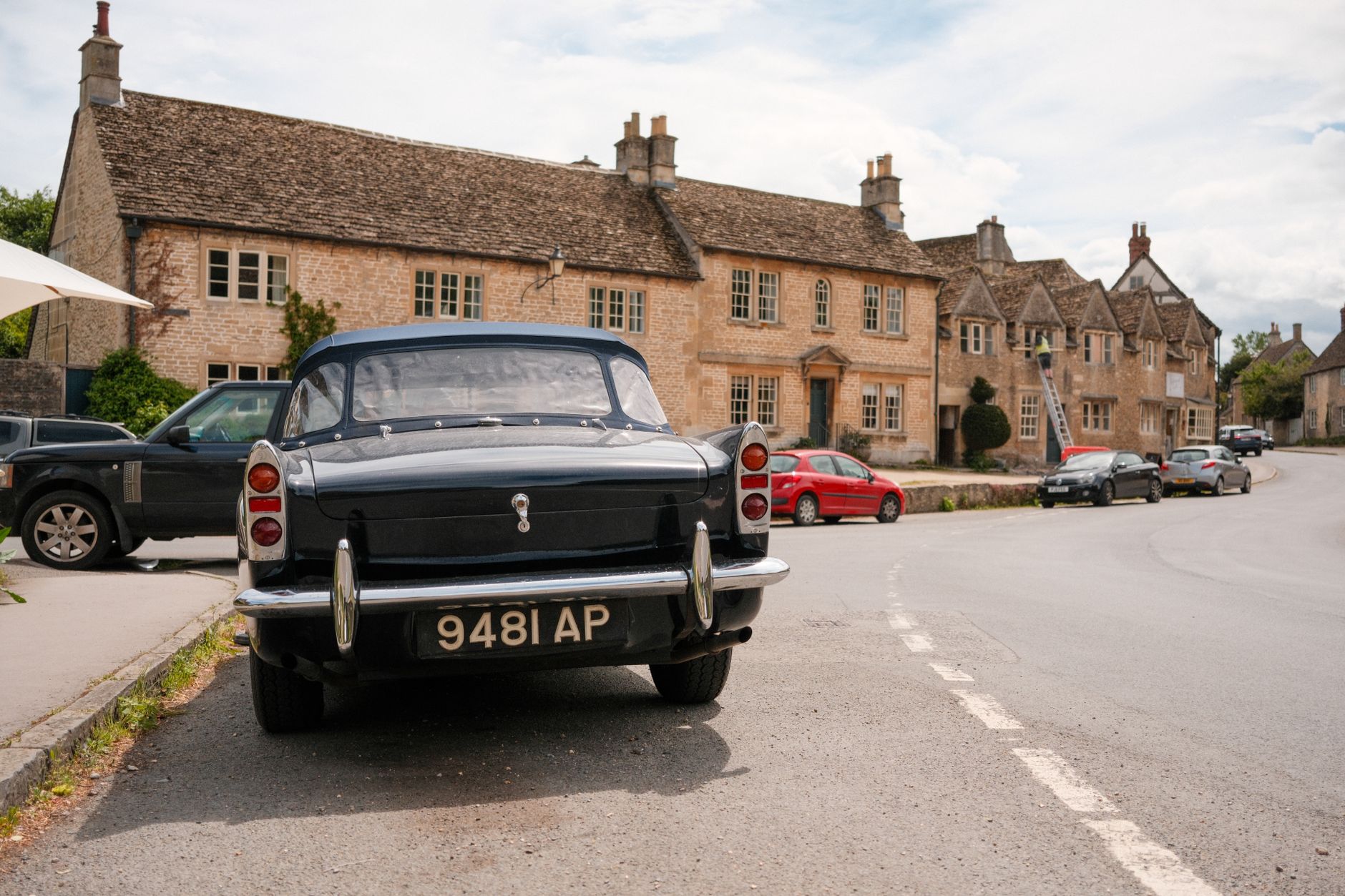
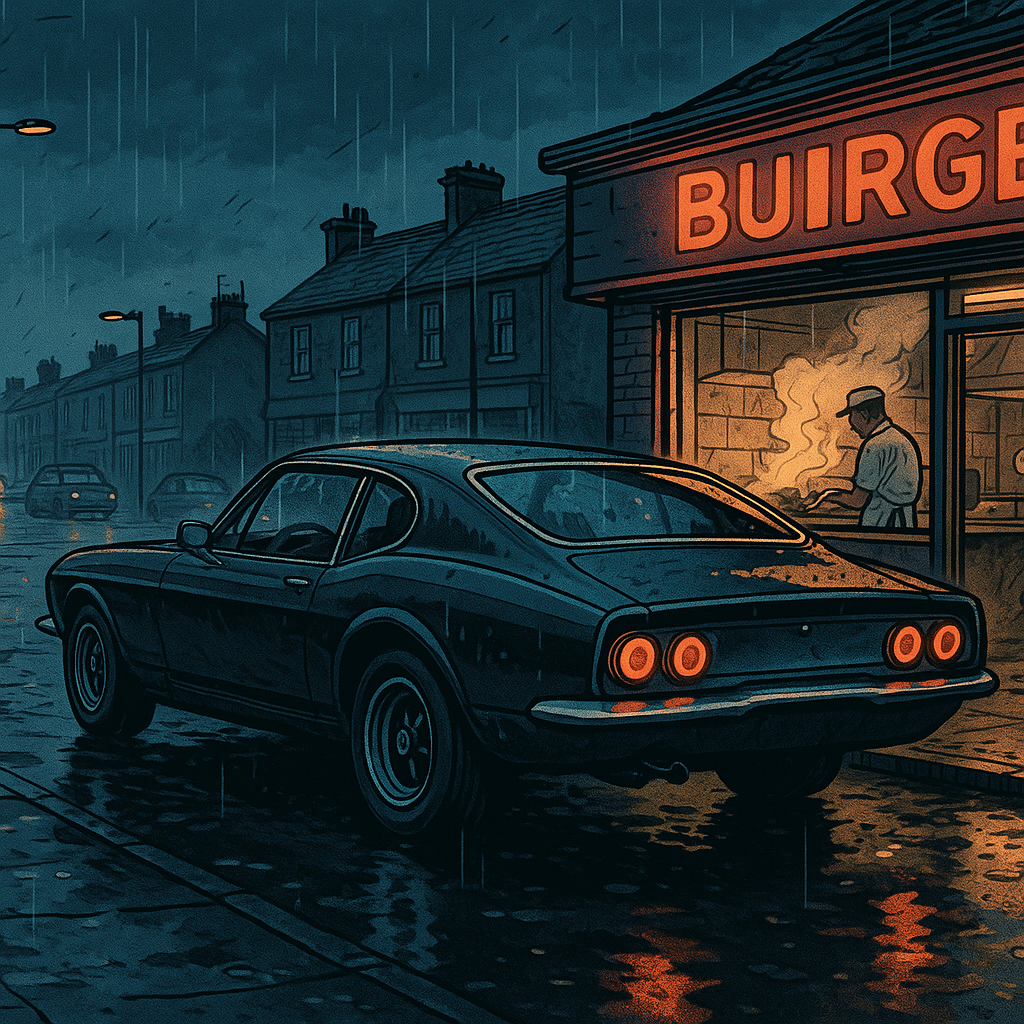
    Classic car parked outside a UK burger joint on a best burgers UK road trip
    Classic car parked outside a UK burger joint on a best burgers UK road trip

    Why Burgers and Road Trips Just Work

    There’s something deeply satisfying about the combo. You’ve had a good blast on an empty B-road, the engine’s still ticking as you pull into the car park, and you walk into a place that smells of charcoal and rendered beef fat. Job done. The burger culture in the UK has exploded over the last decade, moving way beyond the limp high street offerings into genuinely craft territory. Brioche buns, dry-aged patties, house-made smoked bacon. The game changed, and it changed fast.

    According to BBC Food, independent burger restaurants have become one of the UK’s fastest-growing food categories, with regional spots often outperforming their London counterparts for quality and value. Translation: the best stuff isn’t always in the capital. Get driving.

    The North: Graft, Smoke, and Serious Beef

    Almost Famous, Manchester

    Manchester’s Northern Quarter has always had an edge, and Almost Famous sits right in the middle of it. The patties are thick, the sauces are excessive in the best possible way, and the whole vibe screams classic rock and late nights. Their loaded fries are basically structural engineering. Park on one of the side streets off Oldham Street, grab a table near the back, and order the 50/50 — half beef, half pulled pork. You won’t regret it.

    Patty BLT, Leeds

    Leeds doesn’t get enough credit for its food scene. Patty BLT, tucked into the Kirkgate Market area, does a smash burger that rivals anything you’d find in a trendy London pop-up. Double smash, American cheese, pickles, and a signature sauce that’s genuinely addictive. The queue moves fast, the vibe is no-fuss, and the parking situation around the market isn’t terrible on a weekend morning.

    The Midlands: Hidden Gems Worth the Detour

    Meat Shack, Birmingham

    Birmingham’s Digbeth quarter is where the cool stuff lives, and Meat Shack has been a resident legend for years. It’s low-key, scruffy in a deliberate way, and the burgers are properly built. The ‘Shack Stack’ is a double patty situation with bone marrow butter that makes absolutely no apologies. If you’re coming off the M6 or cutting through on the A38, this is worth the ten-minute diversion. Every time.

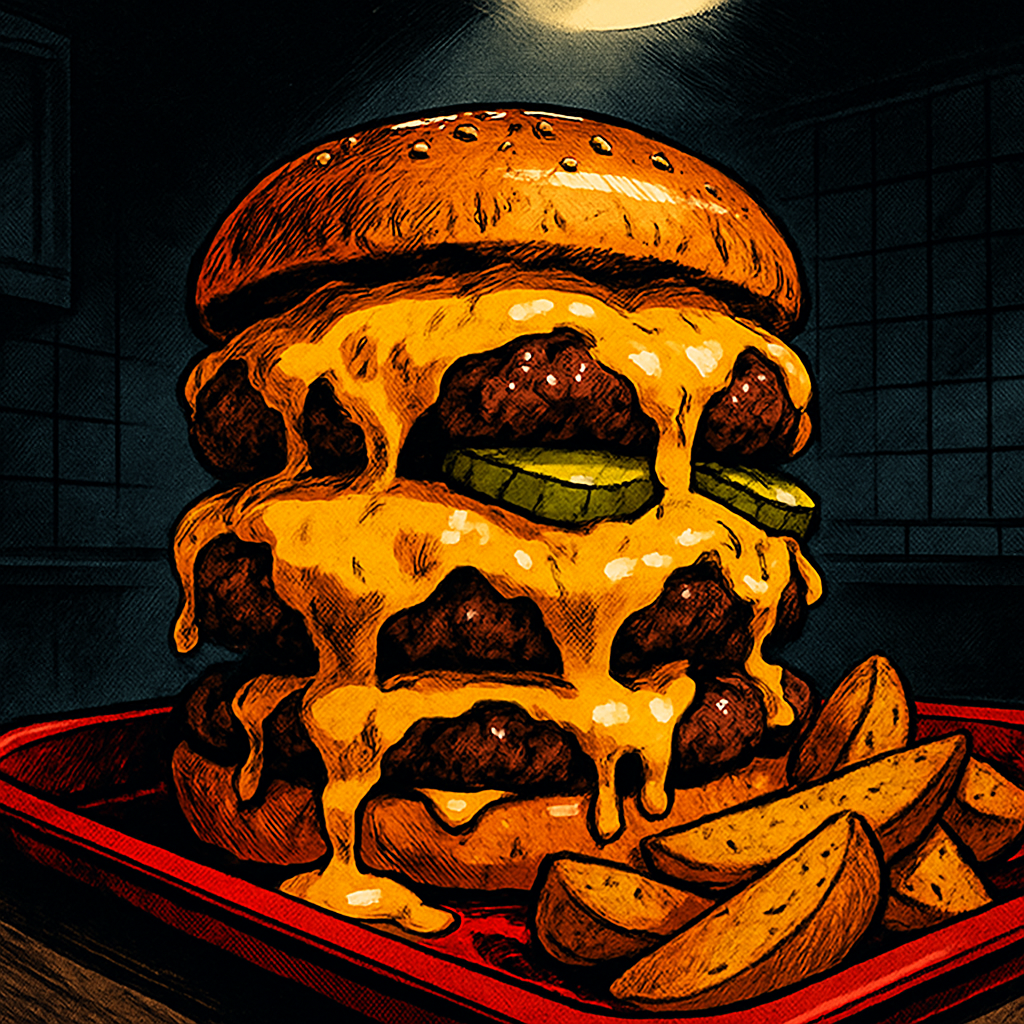
    Double smash burger close-up shot on a best burgers UK road trip stop
    Double smash burger close-up shot on a best burgers UK road trip stop

    Six Eight Kafé, Worcester

    Smaller city, bigger impact than you’d expect. Six Eight Kafé in Worcester’s high street area has quietly been putting out some of the best smash burgers in the Midlands. The beef sourcing is local, the buns are baked in-house, and they run specials that change weekly. It’s the kind of spot you’d never stumble on without someone tipping you off. Consider this your tip.

    The South: Coastal Drives and Premium Patties

    Lost Boys Burgers, Brighton

    Brighton is made for driving to. The coast road coming in from Worthing or Shoreham-by-Sea is genuinely enjoyable, and Lost Boys Burgers on Church Street is the ideal reward. Plant-based and beef options sit side by side here, both executed properly. The ‘Vampire Slayer’ is a smashed double with crispy onions, roasted garlic aioli, and their house hot sauce. The whole thing costs around £12 and tastes like it should cost twice that.

    Hubbox, Cornwall and Devon

    If you’re doing the southwest — and honestly, the roads around Dartmoor and the Cornish peninsula are some of the best driving in the country — Hubbox has multiple locations across the region and consistently delivers. The beef is sourced from farms in the West Country, the chips are proper triple-cooked, and the whole operation understands what a burger should feel like. It should feel like a reward. This does.

    Scotland: Cross the Border for This One

    Two Fat Ladies at the Buttery, Glasgow

    Okay, this is technically more of a proper restaurant, but the burger on their bar menu is elite. Glasgow is criminally underrated as a food city and the drive up the M74 from Manchester is actually decent — rolling hills, light traffic on a Sunday, proper landscape. The city centre has changed massively and Two Fat Ladies does a dry-aged beef burger that makes you question every other burger you’ve ever eaten. Worth every mile of the trip.

    Burgers and Beers Indy Bar, Edinburgh

    Edinburgh’s Grassmarket area is a car-free zone, so you’ll need to park and walk. But Burgers and Beers has been a staple of the independent scene up here for years. Classic smash format, great Scottish beef, and craft beers on tap that pair properly well. If you’re taking the scenic route up through the Borders, this is the finish line.

    How to Plan Your Best Burgers UK Road Trip Properly

    A few practical notes. Most of these spots don’t take reservations or operate on a walk-in basis, so timing matters. Hit them between 12:00 and 13:00 on a weekday if you can, or accept that there might be a short queue on weekends. Build the burger stop into the middle of a longer route rather than making it the endpoint — a good meal mid-drive is far more satisfying than arriving somewhere just to eat and turn around.

    Fuel planning is worth thinking about too. The gov.uk site is handy if you need to sort any vehicle admin before a longer run, but for route planning, Google Maps and Waze are still the most reliable tools for avoiding the kind of traffic that turns a three-hour drive into a five-hour one.

    The best burgers UK road trip isn’t just a list. It’s a mindset. Point the car somewhere new, find a spot that’s been doing things right for years, and eat something that reminds you why the combination of great driving and great food is basically unbeatable. The road is the warm-up. The burger is the main event.

    Frequently Asked Questions

    What are the best cities in the UK for a burger road trip?

    Manchester, Birmingham, Brighton, Leeds, and Glasgow all have standout independent burger scenes worth building a route around. The Midlands and the North in particular have developed incredibly strong independent food cultures over the last five years.

    How much does a decent burger cost at independent UK joints?

    Most quality independent burger spots in the UK charge between £10 and £15 for a single or double patty burger with a side. Expect to pay slightly more in London or tourist-heavy areas, and slightly less in northern cities where independent spots often offer better value.

    Are smash burgers better than classic thick patty burgers?

    It comes down to personal preference, but smash burgers have dominated the UK scene recently because the technique creates more caramelised surface area on the patty, which means more flavour. Many of the spots on this list offer both styles.

    Can I find good burgers near UK motorsport circuits?

    Yes, several circuits have strong food options nearby. Silverstone is close to a handful of decent pubs and independents in Northamptonshire, and Brands Hatch in Kent is within easy reach of some great spots in the surrounding towns.

    What's the best way to plan a UK food road trip by car?

    Map your burger stops first, then build a route around them using scenic or enjoyable roads rather than the fastest motorway option. Apps like Waze help with traffic, and planning mid-route stops rather than endpoint destinations makes the whole drive more enjoyable.

  • Modified Cars in 2026: What’s Still Legal and What Will Get You Pulled Over

    Modified Cars in 2026: What’s Still Legal and What Will Get You Pulled Over

    The UK modified car scene is bigger and bolder than ever, but 2026 has brought a tighter regulatory backdrop that every enthusiast needs to respect. Whether you’re running a stanced Golf on air suspension, grafting a new engine into a project car, or just tinting your windows for that clean look, the rules matter. Get them wrong and you’re not just risking a fine — you could be looking at a voided MOT, invalidated insurance, or a very awkward conversation with a traffic officer on the M1. Here’s a straight-talking breakdown of legal car modifications UK 2026, covering the areas that catch builders out most often.

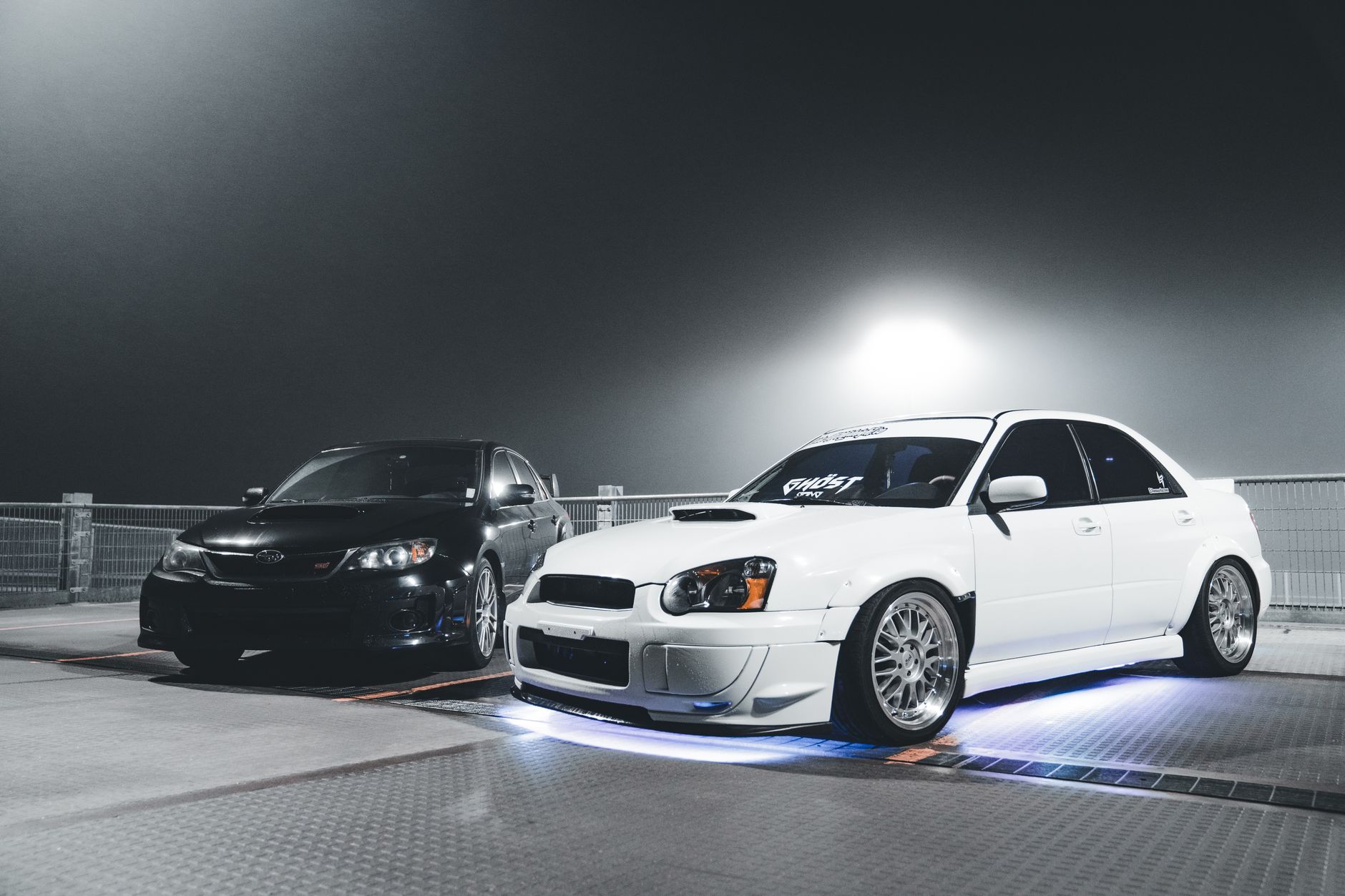
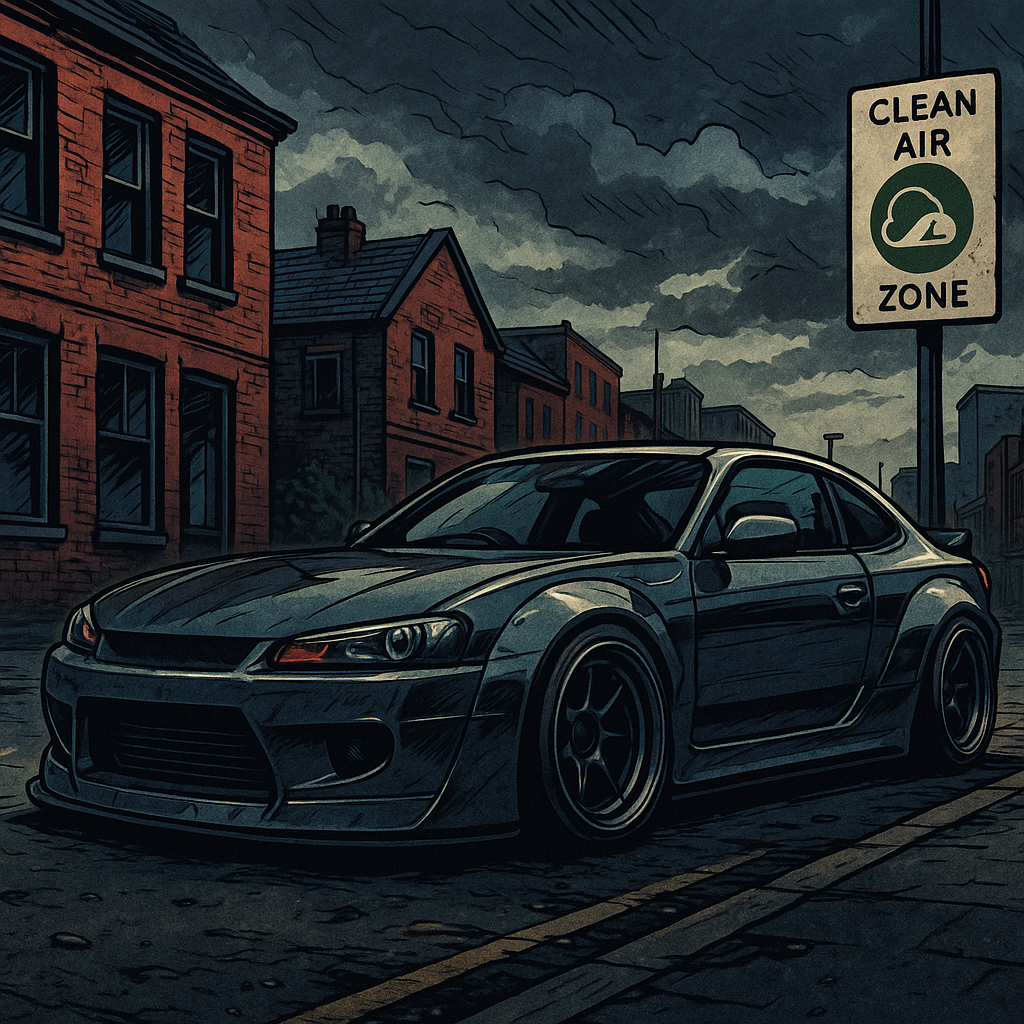
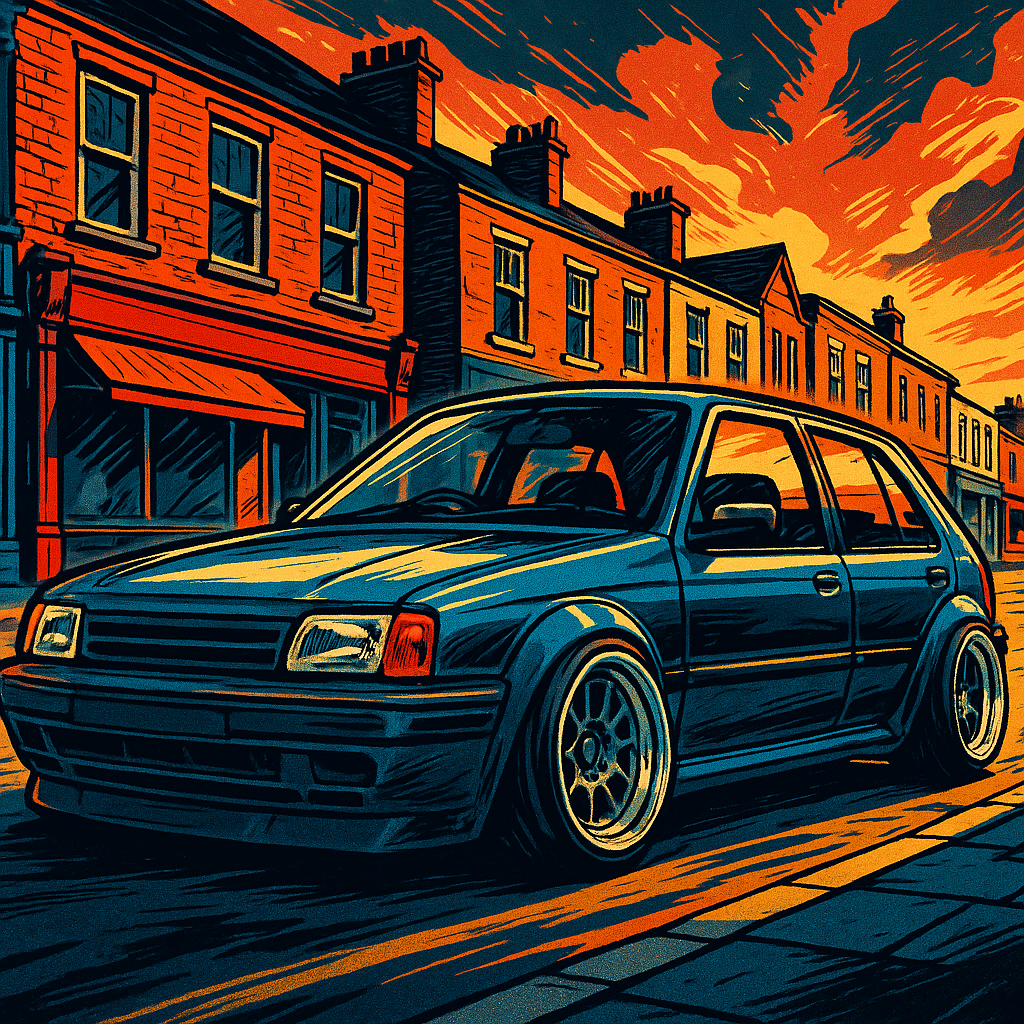
    Stance-modified car on a UK high street representing legal car modifications UK 2026
    Stance-modified car on a UK high street representing legal car modifications UK 2026

    Exhaust Modifications: Where the Line Is Drawn

    Loud exhausts are a cultural cornerstone of car culture, but there’s a hard legal ceiling. Under the Road Vehicles (Construction and Use) Regulations, your exhaust system must not emit more noise than the level specified for your vehicle’s type approval. In practical terms, the police and DVSA can issue an Improvement Notice or a prohibition on the spot if your car is deemed excessively loud. Since 2024, Operation Noisewatch has been expanded across several UK police forces, with roadside sound level checks now appearing at car meets from Sheffield to Bristol.

    Aftermarket backboxes and cat-back systems are generally fine if they’re type-approved or come with noise levels close to standard. Straight-pipe builds, decat downpipes, and open-dump valves on public roads are where things get dicey. Valved exhausts — popular with the GT and performance crowd — sit in a grey area: if the default open position breaches noise limits, you’re still liable even if you can toggle it closed. The safest bet is a system from a reputable supplier that carries a noise certificate and keeps you under the 74dB limit typically associated with passenger vehicles.

    Window Tints: The 70% and 75% Rules Still Apply

    Tinting remains one of the most misunderstood areas of legal car modifications UK 2026. The rules haven’t changed dramatically, but enforcement has sharpened. The front windscreen must let through at least 75% of light (visible light transmission, or VLT). Front side windows must allow at least 70% VLT. Rear windows and the rear windscreen have no legal minimum, so you can go as dark as you like back there.

    Getting these figures wrong means a Section 59 warning, a potential Fixed Penalty Notice, and an immediate advisory on your next MOT. Several testing stations now use calibrated light transmission meters as standard, so a borderline tint that slipped through five years ago might not today. If you’re using a professional fitter, ask for the VLT certificate for every piece of film applied to the front glass. No certificate, no proof — and that’s your problem at the roadside.

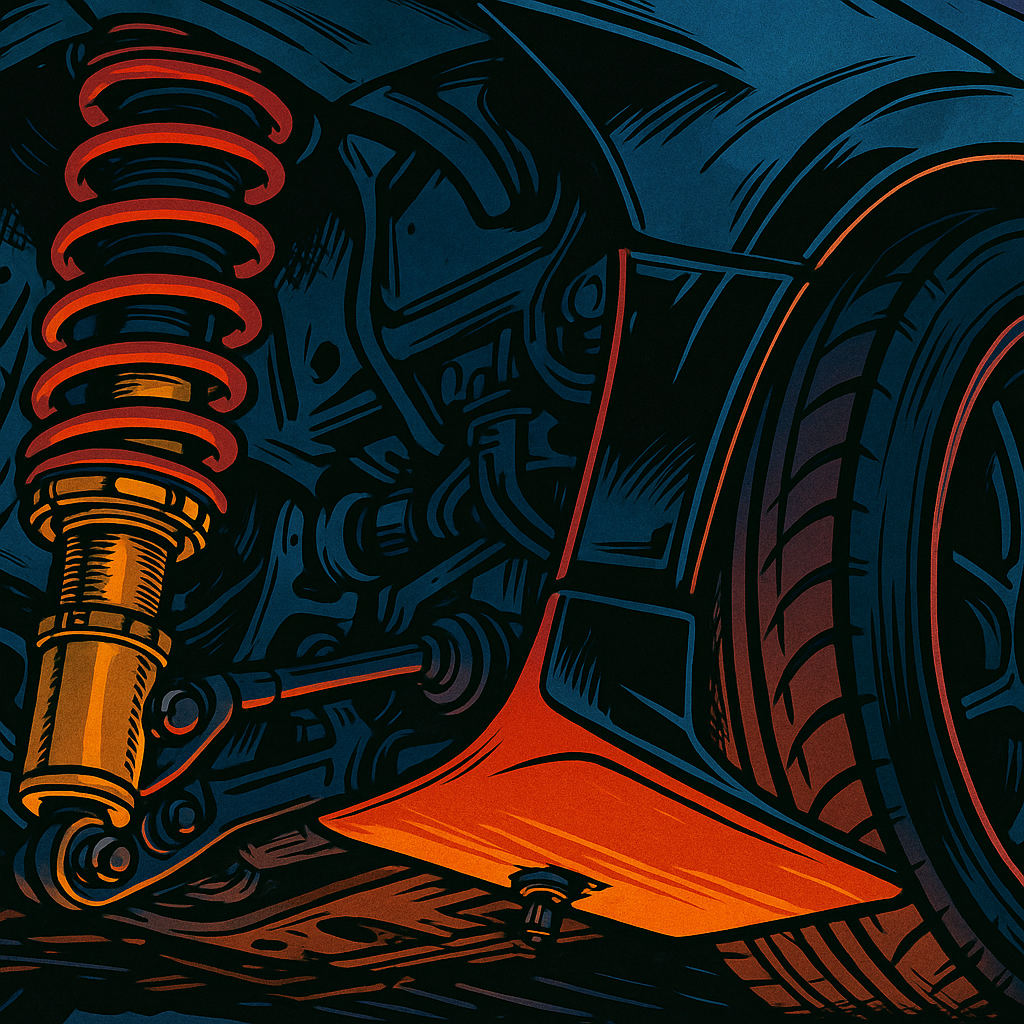
    Aftermarket coilover suspension close-up relevant to legal car modifications UK 2026
    Aftermarket coilover suspension close-up relevant to legal car modifications UK 2026

    Suspension Lowering and Ride Height: How Low Can You Go?

    Coilovers, air ride, and lowering springs are fundamental to the stance and handling upgrade scene. Legally, the UK doesn’t set a specific minimum ride height in millimetres — but it does require that the vehicle remains safe, that wheels and tyres are fully covered by arches, and that the suspension geometry doesn’t create dangerous handling characteristics. The MOT checks suspension components for play, corrosion, and condition; an examiner can fail a car on suspension if the setup causes any of those issues.

    What gets people caught out most often is scraping bodywork, exposed tyre shoulders beyond the arch line, and bump stops so compressed that the car bottoms out on normal road surfaces. Air suspension setups are more accommodating because you can raise the car to a sensible height for daily use and MOT presentations, but they must be reliable — a leaking bag that drops one corner will fail on its own. Keep geometry settings within manufacturer tolerances where possible, and always get an alignment check after any suspension work.

    Engine Swaps: The Paperwork Nobody Talks About

    Engine swaps are the highest-stakes modification in any build. Swapping an engine doesn’t automatically make a car illegal, but you must notify the DVLA of any change to the engine if it results in a different engine number or a significant change in emissions category. The V5C logbook must reflect the correct engine size and fuel type. If you’re swapping from a petrol to an electric drivetrain — increasingly popular on classic car restorations — the DVLA has a specific process involving a vehicle inspection before the V5C is updated.

    Insurance is the other wall you’ll hit. Every single modification including an engine swap must be declared to your insurer. Failure to do so voids the policy, full stop. With engine swaps, it’s worth consulting an IVA (Individual Vehicle Approval) specialist if the swap is substantial enough to take the vehicle outside its original type approval. This is particularly relevant for kit car builds, major power upgrades, and EV conversions.

    Keeping Your Build Clean and Protected While You’re At It

    Serious car modification and proper paint protection go hand in hand, particularly for enthusiasts who spend significant money on bodywork, custom paint, and exterior finishes. Based in Mansfield, Nottinghamshire, Custom Creations Detailing provides PPF installation and professional car detailing services to car enthusiasts who want their build looking as sharp as it performs. For anyone deep into car modification — whether it’s a car flipping project, a long-term show build, or an active motor racing weapon — paint protection film guards panel work against stone chips, swirl marks, and the kind of road debris that undoes hours of prep. You can find out more about their work at https://www.customcreationsdetailing.com/.

    The connection between car maintenance and car modification is often underplayed in build culture, but anyone who’s prepped a freshly wrapped or resprayed panel knows how quickly the finish can deteriorate without proper care detailing. A modified car that looks unloved is a different beast entirely to one that’s been properly protected and maintained throughout its build journey.

    What About Bodywork, Spoilers, and Aero Kits?

    Wide-arch kits, splitters, diffusers, and wings are all permissible as long as they don’t create sharp edges that could injure a pedestrian, don’t obstruct lighting, and don’t extend the vehicle width beyond legal limits. Front splitters cannot protrude excessively ahead of the front bumper line in a way that creates a ground-contact hazard. Rear wings must not obscure the rear number plate or brake lights. The practical rule of thumb: if it looks aggressive but doesn’t compromise safety systems or visibility, you’re likely fine — but document everything and make sure your insurer knows.

    Custom Creations Detailing also works alongside car enthusiasts who’ve invested in extensive car sales prep and exterior car modification, offering ceramic coatings and paint decontamination services that complement any bodywork upgrade. A fresh wide-arch kit or newly painted bumper deserves the kind of protection that proper car cleaning and coating provides, not just a quick rinse down.

    The Golden Rules for Staying Road Legal in 2026

    The mod scene doesn’t need to be the wild west. Most of the legal car modifications UK 2026 framework is common sense backed by clear DVSA and DVLA guidance. Declare everything to your insurer. Update your V5C when engine or fuel type changes. Use type-approved components wherever possible. Keep your MOT advisory history clean. And if you’re ever in doubt about whether a specific modification crosses the line, consult a specialist before you bolt it on — not after you’ve already driven it to a show and got a prohibition notice slapped on the windscreen. Build smart, build clean, and build something worth protecting.

    Frequently Asked Questions

    Do I need to tell DVLA about car modifications in the UK?

    You must notify the DVLA if any modification changes details recorded on your V5C, such as engine size, fuel type, or engine number. Cosmetic changes like alloy wheels or spoilers generally don’t need to be reported, but engine swaps and EV conversions do. Always check gov.uk for the most current guidance.

    What window tint is legal on UK cars in 2026?

    The front windscreen must allow at least 75% visible light transmission (VLT), and front side windows must allow at least 70% VLT. There are no VLT restrictions for rear side windows or the rear windscreen. Using film that fails these thresholds on the front glass can result in a fine and a failed MOT.

    Are loud aftermarket exhausts legal in the UK?

    Aftermarket exhausts are legal if they don’t exceed your vehicle’s type-approved noise limits, typically around 74dB for passenger cars. Decats, straight pipes, and permanently open dump valves on public roads are likely to breach these limits and can result in an Improvement Notice or prohibition from police or DVSA officers.

    Does lowering my car affect its MOT in the UK?

    Lowering a car doesn’t automatically cause an MOT failure, but the vehicle must maintain proper wheel arch coverage, safe handling geometry, and suspension components in good condition. Cars that scrape, show exposed tyre shoulders beyond the arches, or have severely compromised bump stops are likely to fail or receive advisories.

    Do I have to tell my insurance company about car modifications?

    Yes, absolutely. Every modification must be declared to your insurer, including suspension work, exhaust changes, tints, and engine swaps. Failure to declare modifications can void your policy entirely, leaving you uninsured even for incidents completely unrelated to the modification itself.