Category: Spotlight

  • Car Boot Foodie Finds: Why the UK’s Car Boot Sale Food Scene is Having a Moment

    Car Boot Foodie Finds: Why the UK’s Car Boot Sale Food Scene is Having a Moment

    Boot open, engine off, flask of something lukewarm in hand. That used to be the full car boot sale experience. A muddy field, some dodgy VHS tapes, a bloke flogging socket sets out the back of an estate. Brilliant in its own way, obviously. But something has shifted. The UK car boot sale food scene has quietly gone from an afterthought to a genuine draw, and if you haven’t clocked it yet, you’re sleeping on one of the best weekend vibes this country currently has to offer.

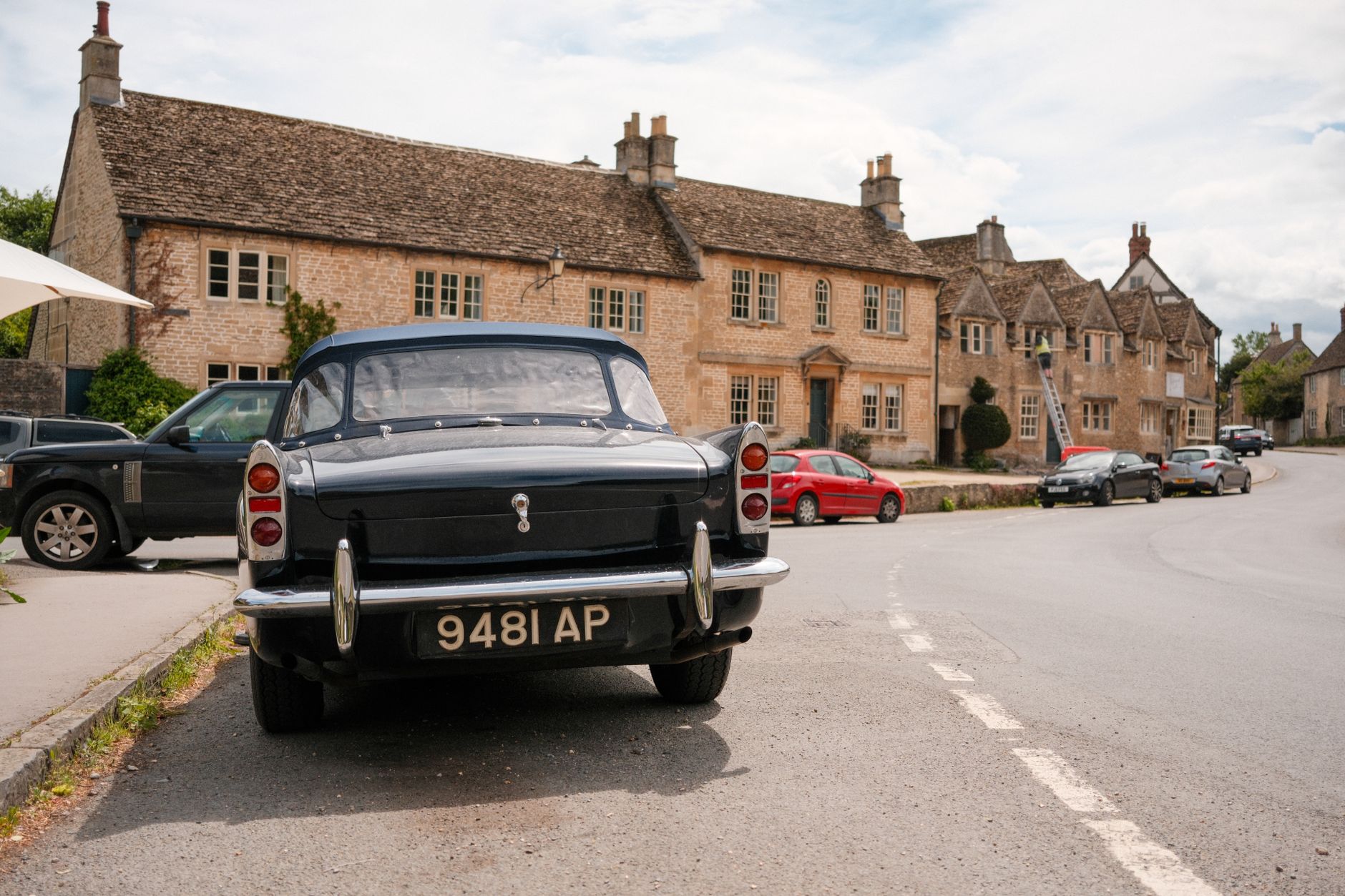
    Wide view of UK car boot sale food stalls and classic cars on a sunny Sunday morning
    Wide view of UK car boot sale food stalls and classic cars on a sunny Sunday morning

    It’s not just a couple of stalls selling slightly warm hot dogs any more. We’re talking proper espresso setups, sourdough toasties, jerk chicken wraps, Korean BBQ buns, and cold brew coffee served out of converted Citroën H vans. The kind of stuff you’d normally queue twenty minutes for at a city-centre street food market. Except here it’s sitting alongside a bloke selling genuine Ford Sierra Cosworth badges for a tenner, and that energy? Honestly unbeatable.

    Why Car Boot Sales Are Suddenly Attracting Serious Food Vendors

    There’s a practical reason this is happening, and it’s simple: footfall. Your average well-run car boot sale in 2026 is pulling hundreds, sometimes thousands, of visitors on a Sunday morning. The pitch fees are relatively low compared to food festivals, the setup is flexible, and the crowd is broad. Families, collectors, traders, and increasingly a younger crowd who turned up specifically because someone posted a video of the pulled pork bap on Instagram.

    Vendors who started on the festival circuit have woken up to the fact that car boot sales offer a low-overhead way to test new menus and build a local following without committing to permanent premises. Meanwhile, the car boot sale organisers themselves have spotted the opportunity. Events like Sunbury Antiques Market and various Cheshire-based boots have actively started curating their food offering, treating it almost like a secondary event within an event.

    The Cars and the Cuisine: A Match That Actually Makes Sense

    Think about it. Car boot sales have always been a petrolhead’s paradise. Half the sellers are clearing out garages, which means you find old parts, workshop manuals, oil-stained memorabilia from obscure race meetings, and the occasional mint condition die-cast collection. The car-driving crowd showing up for that stuff is exactly the same crowd that appreciates a properly made flat white and a slow-smoked brisket roll.

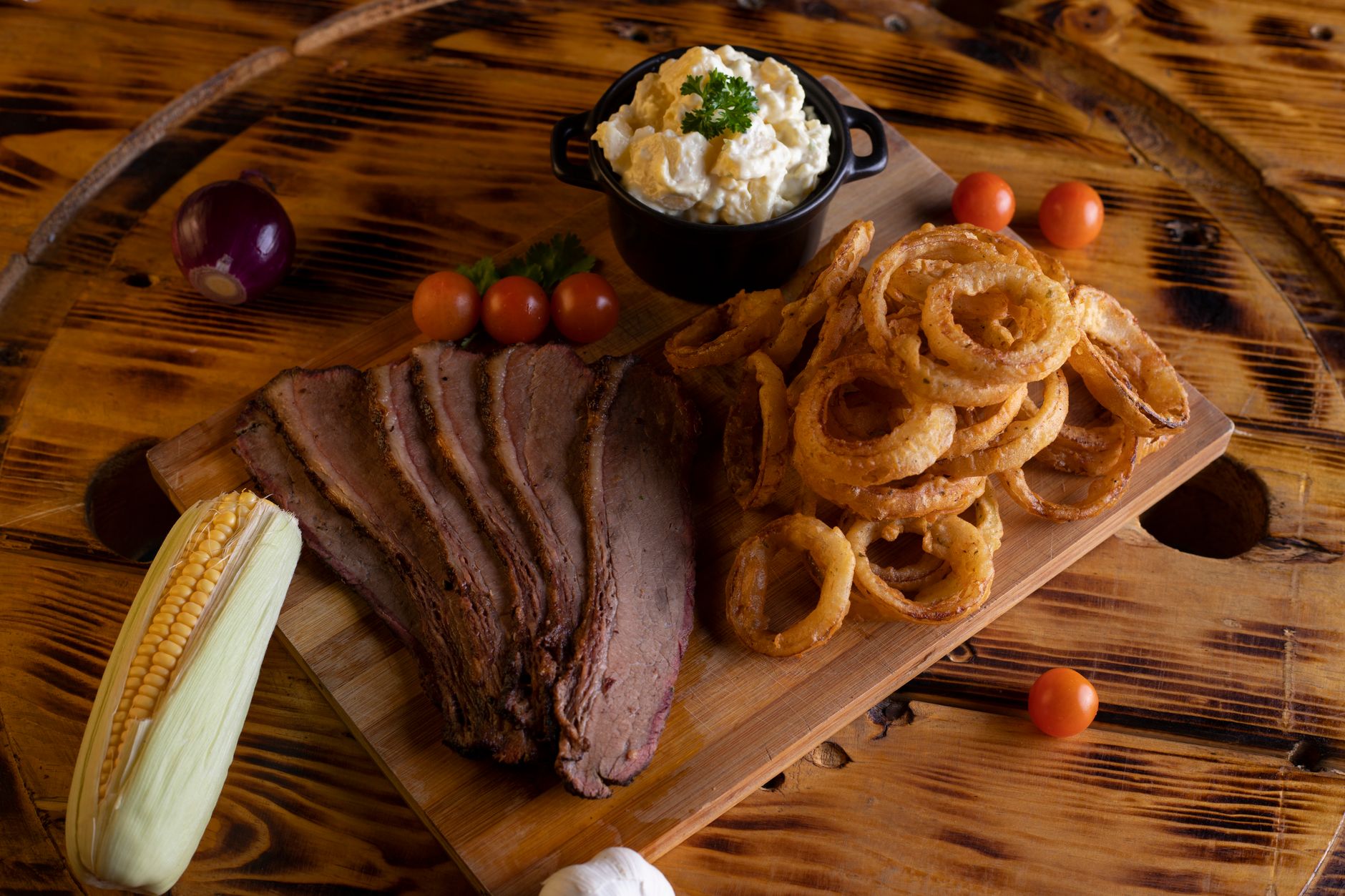
    Close-up of gourmet UK car boot sale food being prepared at a street food stall
    Close-up of gourmet UK car boot sale food being prepared at a street food stall

    The crossover between car culture and food culture has been building for years, anyone who’s visited a serious UK car meet knows the burger vans have got sharper and the coffee quality has shot up. The car boot sale is just the next venue for that collision. There’s something very British about it too. No pretension, no VIP wristbands. Just a field, some remarkable motors, and someone doing genuinely excellent things with a wood-fired grill.

    What You’re Actually Finding at the Best Boots Right Now

    UK car boot sale food in 2026 spans a surprisingly wide range. Here’s what’s genuinely turning up at the sharper end of the scene:

    • Specialty coffee: Not filter-from-a-flask coffee. Proper third-wave espresso rigs, oat milk options, and single-origin pour-overs. Vendors like small independent roasters from Bristol, Manchester, and East London have all been spotted at boots across the country.
    • Artisan baked goods: Sourdough loaves, cardamom buns, cheese twists, pastries that would embarrass a high street bakery. Cottage bakers who sell directly are thriving in the boot sale environment.
    • Street food proper: Smash burgers, Jamaican patties, ramen-influenced broths in cold weather, loaded fries, and Indian-inspired wraps. The variety has exploded.
    • Local producers: Jams, chutneys, hot sauces, small-batch preserves. More farm shop than food stall, but they add serious character to the overall mix.

    The BBC Food coverage of street food trends in the UK has been tracking the rise of independent vendors moving beyond traditional festival setups, and the boot sale format fits neatly into that wider shift towards accessible, quality-driven outdoor food experiences.

    Where to Find the Best UK Car Boot Sale Food Scenes

    Some boots are developing a genuine reputation for their food game. Newark Antiques & Collectors Fair in Nottinghamshire draws serious traders and has seen its food offer grow significantly. Peterborough has a strong Sunday boot with a proper street food presence. Down south, Kempton Park’s bi-monthly antiques boot is almost a foodie event in its own right now, with regular specialty coffee and hot food vendors making it worth the early start.

    Up north, Manchester and Leeds both have thriving Sunday boot cultures, and the food stalls at some of the Pennine-area sites have a brilliant no-nonsense quality about them. You’re as likely to find an exceptional bacon butty made with locally cured back bacon as you are a gourmet Korean fusion wrap, and both will be worth every penny.

    The golden rule: go early. The best food stalls sell out fast, and the atmosphere before 9am, especially in summer, is something else entirely. Dew on the grass, engines ticking as they cool down after the drive in, the smell of fresh coffee cutting through the morning air. There’s a romance to it that a food hall just can’t manufacture.

    Is the Car Boot Sale Food Scene Here to Stay?

    All signs point to yes. The economics work for vendors. The audience is there and growing. And with permanent high street units remaining tough to fill and festival costs rising sharply, the outdoor grassroots format is genuinely compelling for small food businesses. Combine that with a car-obsessed British public that will happily drive thirty miles on a Sunday morning for the right experience, and you’ve got a scene that has serious momentum behind it.

    UK car boot sale food isn’t a quirk or a fluke. It’s the logical next step in a long evolution of how we eat outdoors in this country. The cars brought the people. The people brought the demand. The vendors brought the quality. Now the whole thing is feeding itself, quite literally.

    So next Sunday, dig out your postcode for the nearest boot. Load up Google Maps, grab someone who appreciates both a pristine set of period-correct alloys and a properly executed breakfast roll, and get there before the good stuff is gone. Because trust me, it goes fast.

    Frequently Asked Questions

    What kind of food can I find at UK car boot sales these days?

    UK car boot sale food has come a long way. You can now regularly find specialty coffee, sourdough baked goods, smash burgers, street food wraps, local produce, and artisan hot food stalls at well-run boots across the country. The quality varies by location, but the best sites rival dedicated street food markets.

    Which car boot sales in the UK have the best food stalls?

    Kempton Park, Newark, Peterborough, and various Manchester and Leeds-area boots have all developed strong food reputations. Your best bet is to check local Facebook groups or Instagram pages for the boot you’re planning to visit, as food lineups often change week to week.

    Why are food vendors increasingly setting up at car boot sales?

    Pitch fees at car boot sales are typically lower than food festivals, footfall is high, and the setup is flexible. It’s an ideal low-overhead environment for independent food businesses to build a local following and test new menus without committing to permanent premises.

    What time should I arrive at a car boot sale for the best food?

    Early. Ideally before 9am. The best food stalls sell out quickly, especially on summer Sundays when turnout is highest. Arriving early also means you get the full car spotting experience as traders are still setting up, which is half the fun.

    Are car boot sale food vendors safe to eat from?

    Legitimate food vendors at UK car boot sales are required to be registered with their local council and follow Food Standards Agency hygiene regulations. Look for the Food Hygiene Rating sticker, which vendors are required to display. If a stall looks set up properly and is busy, it’s generally a good sign.

  • The Best Fast Cars Under £30,000 You Can Actually Buy in 2026

    The Best Fast Cars Under £30,000 You Can Actually Buy in 2026

    Thirty grand. It sounds like a lot until you start browsing forecourts and realise most new cars that get your pulse going sit comfortably north of forty. But here’s the thing: the best fast cars under 30000 in 2026 are genuinely brilliant. Not compromise-brilliant. Actually, properly, grin-plastered-across-your-face brilliant. Whether you’re jumping up from a tired hatchback or finally treating yourself to something with a bit of fire in its belly, there’s never been a better time to spend wisely and drive well.

    Comic style lineup of the best fast cars under 30000 in 2026 on a British street
    Comic style lineup of the best fast cars under 30000 in 2026 on a British street

    This list cuts through the noise. No fluff, no filler. Just the cars worth your attention, your money, and your weekend mornings on a decent B-road.

    Hot Hatches That Still Own the Road

    Volkswagen Golf GTI (Used, 2023-2024 examples)

    The Golf GTI is the benchmark. Always has been, probably always will be. Pick up a solid 2023 or 2024 example and you’re looking at around £24,000 to £28,000 through a reputable dealer or via PCP hand-backs hitting the used market. The 2.0-litre turbocharged four-cylinder pushes 245bhp, hits 62mph in 6.3 seconds, and feels like a weapon dressed in a suit. The interior is tighter than ever, the DSG gearbox is genuinely telepathic, and it’ll handle a supermarket run just as comfortably as a Sunday blast up to the Peaks. This is the car that defines the hot hatch class, and at this price point it’s an absolute steal.

    Ford Focus ST Estate

    Not just a hot hatch. A hot estate. The Focus ST Estate is the sleeper pick of 2026’s used market and I’ll die on that hill. With the same 280bhp 2.3-litre EcoBoost engine as the regular ST, it’s faster than it looks and far more practical. New examples are now just clearing the £30,000 ceiling, and with some shrewd negotiation or a demonstrator find, you can land one right on budget. It handles with serious intent, the steering is communicative, and it’ll swallow a set of track-day wheels in the back without blinking. Absolute unit.

    Front-Wheel Drive Weapons for the Budget-Conscious Enthusiast

    Renault Clio RS Trophy (Used)

    The Clio RS Trophy is a proper cult car. 220bhp, a Torsen limited-slip differential, and a chassis tuned by people who genuinely care about how a car feels through a corner. On the right road this thing is electric. Pick one up for between £18,000 and £24,000 depending on mileage, and you’re getting a proper driver’s car that’ll embarrass vehicles costing twice as much through the twisties. It’s not the most refined thing on the motorway, but motorway driving isn’t why you buy a Clio RS Trophy. You buy it because it makes you feel alive.

    Honda Civic Type R (Used, FK8 generation)

    The FK8 Type R. Big wing, fighter jet interior, 316bhp from a 2.0-litre turbo. When this car launched it broke the front-wheel drive lap record at the Nürburgring. It is not a subtle machine. Used prices have settled into the £25,000 to £30,000 range for higher-mileage examples, and if you can handle the stares and the wing jokes from your mates, this is arguably the most technically impressive hot hatch you can buy for under thirty grand in 2026. Honda’s engineering obsession is all over it. The gearbox throw is short and precise, the suspension adaptive system is properly brilliant, and it rewards commitment.

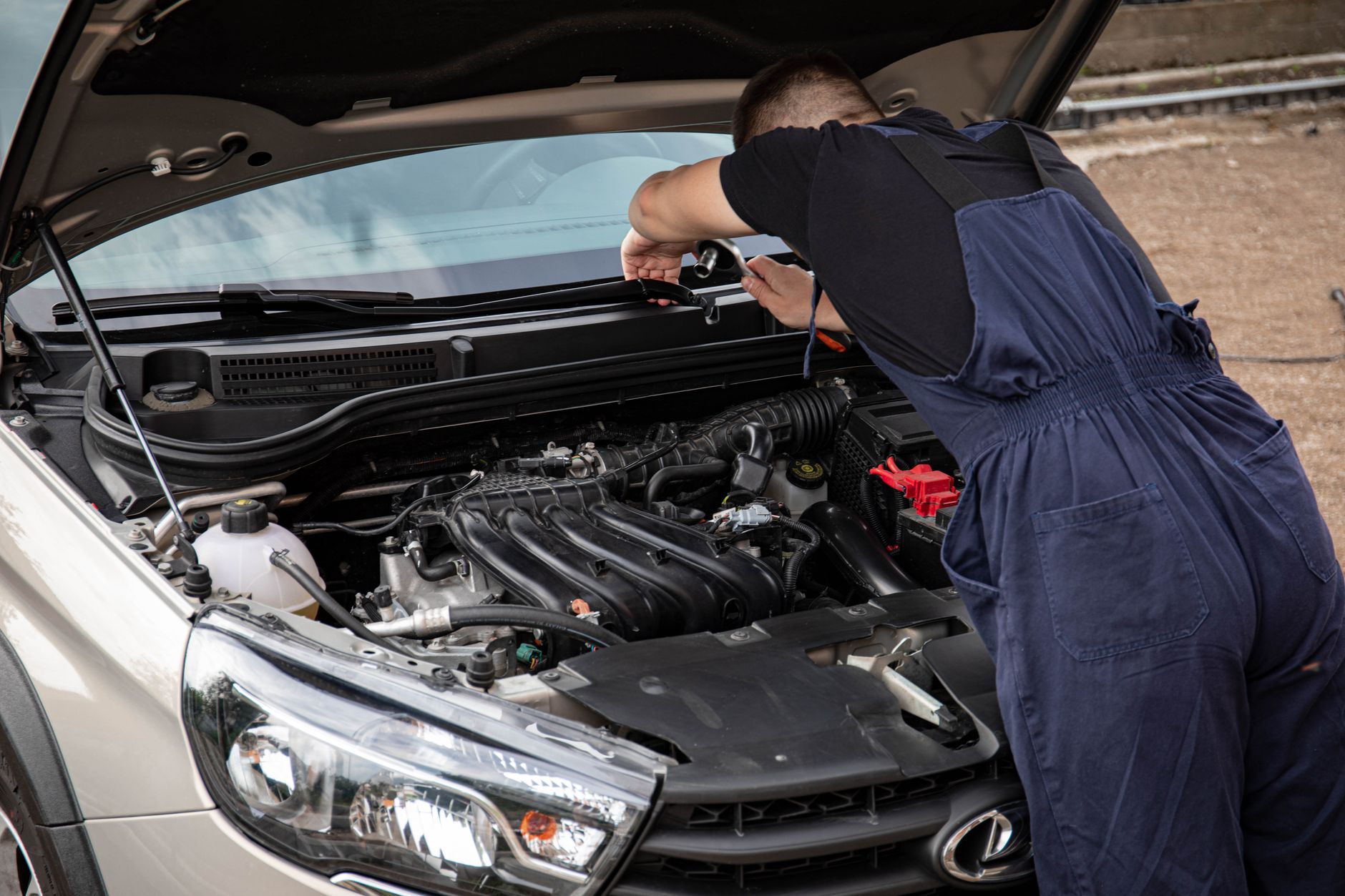
    Comic art close-up of a performance car engine representing best fast cars under 30000 2026
    Comic art close-up of a performance car engine representing best fast cars under 30000 2026

    The Wildcard Picks Worth Considering

    Toyota GR Yaris

    The GR Yaris is what happens when a manufacturer builds a homologation special for the World Rally Championship and accidentally creates one of the best driver’s cars of the decade. 261bhp, a unique four-wheel drive system developed alongside WRC engineers, and a body that shares almost nothing with the standard Yaris. Used prices have been high but they’re softening: expect to find 2022-2023 examples with sensible mileage sitting between £27,000 and £30,000. For pure driving engagement, very little at this price level touches it. According to Auto Express, the GR Yaris consistently ranks among the most rewarding driver’s cars regardless of price bracket. That’s quite the compliment for a car under thirty grand.

    Mazda MX-5 2.0 Sport Tech

    Right, hear me out. If you want performance, sometimes you go lighter rather than faster. The MX-5 2.0 Sport Tech tips the scales at just over a tonne, which is extraordinary in 2026. Its naturally aspirated 184bhp engine doesn’t sound mad on paper, but point it at a proper road and the experience is transformative. New examples land just under £30,000, making this one of the sharpest buys on the entire list. Rear-wheel drive, a six-speed manual, a roof that drops in five seconds. Some cars are fast. The MX-5 is joyful. There’s a difference.

    What Makes These the Best Fast Cars Under 30000 in 2026?

    The sweet spot at this price hasn’t shrunk. If anything, used market dynamics mean 2026 is a genuinely strong year to be buying. Electric alternatives are creeping in, but for pure analogue engagement with a real engine note, the cars on this list deliver something that still can’t be replicated by a battery and a silence. You can check Government data on average new car transaction prices via the DVLA and associated industry reports, which confirm the average new car in the UK now sits well above £30,000. That makes buying smart within this budget more of a skill than ever.

    Depreciation works differently at this level too. The Golf GTI holds value. The Type R has legit collector appeal. The GR Yaris is already climbing. Spend thirty grand on a mid-spec SUV and it’s worth nineteen in three years. Spend it here and you’re driving something that matters.

    How to Buy Smart in This Market

    A few rules before you swipe the card. Always get a full HPI check on used performance cars. One previous owner who liked track days can mean significantly worn brake discs, stressed gearboxes, and a motor that’s been pushed hard repeatedly. Not a deal-breaker, but know what you’re buying. Use a specialist like a marque-specific dealer or a trusted independent rather than a generic supersite where possible. And always, always drive it first. On a real road. Not a car park loop. The best fast cars under 30000 in 2026 are brilliant on the right roads. Make sure the one you’re buying feels that way before the money changes hands.

    Budget right, choose smart, and thirty thousand pounds will buy you more excitement per mile than most people will ever experience from a car twice the price.

    Frequently Asked Questions

    What is the best hot hatch under £30,000 in 2026?

    The Volkswagen Golf GTI and Honda Civic Type R FK8 are the strongest all-round choices at this price. The Golf GTI is the more refined daily driver, while the Type R offers more raw performance and driver engagement for similar money on the used market.

    Is the Toyota GR Yaris worth buying for under £30,000?

    Yes, if you can find one in budget it’s one of the most rewarding driver’s cars available at any price. Used 2022-2023 examples are now appearing in the £27,000 to £30,000 range and the four-wheel drive rally-derived system makes it genuinely special on the right roads.

    Are fast cars under £30,000 expensive to insure in the UK?

    Performance cars typically sit in higher insurance groups, so expect to pay more than you would for a standard hatchback. A Golf GTI will generally be cheaper to insure than a Civic Type R, so it’s worth getting quotes before you commit to buying.

    Should I buy new or used for the best fast car under £30,000?

    At this budget, used often gets you more car for your money. A used Civic Type R or GR Yaris with some miles on it delivers more performance than most new performance cars you could buy outright for thirty grand. Always get an HPI check and independent inspection on any used performance car.

    What is the most practical fast car under £30,000 in 2026?

    The Ford Focus ST Estate wins on practicality without sacrificing performance. It uses the same powerful 2.3-litre EcoBoost engine as the standard Focus ST but adds a full estate boot, making it ideal for drivers who want real-world usability alongside serious performance.

  • Street Food Markets You Can Drive To: The Ultimate UK Weekend Guide

    Street Food Markets You Can Drive To: The Ultimate UK Weekend Guide

    Some weekends just call for a proper mission. Not a spa day, not a Netflix binge, not a trip to the garden centre. We’re talking about loading up the car, picking a direction, and chasing down something genuinely worth eating. The UK’s street food scene has absolutely blown up over the past few years, and the best markets aren’t just about the grub. They’re a vibe. The right crowd, the right smells drifting across the car park, the kind of Saturday afternoon that actually feels earned. These are the street food markets UK weekend warriors should have bookmarked right now.

    Comic illustration of street food markets UK weekend scene with a modified car parked outside
    Comic illustration of street food markets UK weekend scene with a modified car parked outside

    KERB at King’s Cross, London

    If you’re within reasonable driving distance of the capital, KERB at King’s Cross is non-negotiable. Granary Square is the backdrop, the canal is right there, and the trader lineup rotates regularly so it never gets stale. You’re looking at everything from Korean fried chicken to handmade pasta, wood-fired flatbreads to Taiwanese bao. It runs lunchtime Wednesday through Friday and goes full weekend mode on Saturdays. Parking nearby isn’t exactly a bargain, but the King’s Cross St. Pancras car parks off Pancras Road are your best bet. Get there before midday if you want first pick of the good stuff.

    Digbeth Dining Club, Birmingham

    This is the one that put UK street food markets on the proper map for a lot of people. Digbeth Dining Club has been running since 2012 and it’s still the benchmark. Friday and Saturday evenings are when it really goes off, with live music, craft beers, fire pits, and a rotating cast of traders that punch well above their weight. The drive into Digbeth is actually a decent one if you’re coming in from the M6 corridor, and parking around the Custard Factory area is manageable if you arrive before 6pm. Must-try: whatever the Baked in Brick guys are doing if they’re on the rotation. Smoke, fire, and serious flavour.

    Tobacco Factory Markets, Bristol

    Bristol has always had a solid food culture, and the Sunday market at the Tobacco Factory in Southville is one of those genuinely special spots. It’s not massive, which is actually a plus. Every trader has earned their place, and the quality control is obvious. Think artisan cheeses, smoked meats, fresh pastries and some cracking hot food vendors doing things properly. Street parking on the surrounding roads is free on Sundays, which makes this one a rare win for drivers. The venue itself is an old tobacco factory turned arts space, and the whole area around Bedminster has a cool independent energy. Worth the detour off the M32.

    Comic style close-up of street food dish at a UK weekend street food market
    Comic style close-up of street food dish at a UK weekend street food market

    Kirkgate Market, Leeds

    One of the most underrated food destinations in the north. Kirkgate Market is the largest covered market in Europe, and while it’s been there for over a century, the street food element has genuinely modernised. The indoor hall mixes classic market traders with newer independent food operators doing proper hot lunches, and on Sundays it gets lively. Leeds city centre parking is straightforward from the M621, and the Q-Park on Wade Lane is about a ten-minute walk from the market. The mutton curry stall has been a fixture for decades and remains undefeated. Go hungry.

    Victorious Festival and Southsea Market, Portsmouth

    Portsmouth doesn’t always get the credit it deserves on the food scene, but Southsea Common hosts some of the best periodic food markets in the south of England. The area comes alive on summer weekends, and Victorious Festival in August brings in a serious food village alongside the music. Parking around Southsea is easier than you’d think, especially if you use the seafront car parks off Clarence Esplanade. Fresh seafood, loaded fries, jerk chicken, bubble waffles. The sea air makes everything taste better, and that coastal drive down the A3 on a Saturday morning is one of the finer commutes in Hampshire.

    Altrincham Market, Greater Manchester

    Altrincham Market House is the kind of place food writers go mad for, and for good reason. It’s a proper indoor market hall that’s been beautifully restored, with an attached outdoor area that gets buzzing on weekends. The standard of food here is exceptional. Slow-cooked meats, natural wines, wood-fired pizza, and some of the best dim sum outside of Manchester’s Chinatown. It’s open Wednesday through Sunday, with the weekend sessions being the ones to target. Getting there by car from the M56 is dead easy, and there’s a car park directly on Market Street. This one feels like a destination in itself, not just a pit stop.

    Stockbridge Market, Edinburgh

    For those willing to make the longer haul north, Stockbridge Market in Edinburgh runs every Sunday and it’s brilliant. Set in a cobbled backstreet near the Water of Leith, it’s got exactly the kind of atmosphere that makes you want to slow down. Artisan bread, Scottish cheeses, handmade pasta, fresh crepes, and locally caught shellfish. Parking around Stockbridge can be tight but the surrounding residential streets are fair game on Sundays. The drive up the A1 or M74 depending on where you’re coming from is a solid road trip in its own right, and Edinburgh rewards the effort every single time.

    Quick Tips for Driving to Street Food Markets

    A few things worth knowing before you fire up the engine. Most of the best markets run from around 10am or 11am, so aiming to arrive in the first hour puts you ahead of the crowds and ahead of the queues. Cash is still useful at some independent traders even in 2026, so don’t rely entirely on contactless. Check the market’s social media the day before, because sessions do get cancelled for weather or private events and nobody wants to drive two hours into the unknown.

    The VisitBritain food and drink guide also keeps a decent running list of regional food events and markets worth adding to the rotation. It’s a useful bookmark for planning future road trips around the calendar.

    Most importantly, treat the drive as part of the day. The best street food markets UK weekend trips are the ones where the route matters as much as the destination. Pick a road worth being on, eat something properly good at the end of it, and you’ve nailed the format.

    Frequently Asked Questions

    What are the best street food markets in the UK for a weekend trip?

    Some of the top picks include KERB at King’s Cross in London, Digbeth Dining Club in Birmingham, Altrincham Market in Greater Manchester, and Stockbridge Market in Edinburgh. Each offers a distinct vibe and a rotating lineup of quality food traders worth driving to.

    Are street food markets open every weekend in the UK?

    Most established markets run on Saturdays and Sundays, though some like Digbeth Dining Club focus on Friday and Saturday evenings. Always check the market’s social media or website the day before to confirm sessions aren’t cancelled due to weather or private events.

    Is there parking near street food markets in UK city centres?

    Most major markets have nearby multi-storey or surface car parks within walking distance. Markets like Altrincham and Kirkgate in Leeds have car parks practically on the doorstep, while London venues like KERB at King’s Cross require a bit more planning. Arriving early usually secures the best spots.

    How much should I budget for a street food market visit?

    A solid feed at most UK street food markets will run you between £10 and £20 per person, depending on how many dishes you work through. Add drinks and parking and you’re typically looking at £30 to £40 for a decent afternoon out, which is solid value for the quality on offer.

    Which UK street food market is best for a long weekend road trip?

    Stockbridge Market in Edinburgh makes for a brilliant long-haul destination if you’re up for the drive, especially combined with a night in the city. Closer options like Bristol’s Tobacco Factory or Portsmouth’s Southsea market work brilliantly as day-trip targets with good road access and free Sunday parking nearby.

  • JDM Cars in 2026: Why Japanese Imports Are Taking Over UK Roads

    JDM Cars in 2026: Why Japanese Imports Are Taking Over UK Roads

    Something’s shifted on UK roads over the past couple of years. You’re seeing them more at meets, more on dual carriageways at stupid o’clock, more plastered across Instagram feeds. Japanese domestic market cars — JDM, if you’re already clued up — are absolutely everywhere right now, and the obsession is only getting more intense. JDM cars UK 2026 isn’t just a search term. It’s a cultural moment. A full-blown movement with its own language, its own rituals, its own car park hierarchy.

    So what’s driving it? Why are people spending serious money importing right-hand drive legends from Japan when there are plenty of metal options closer to home? Let’s get into it.

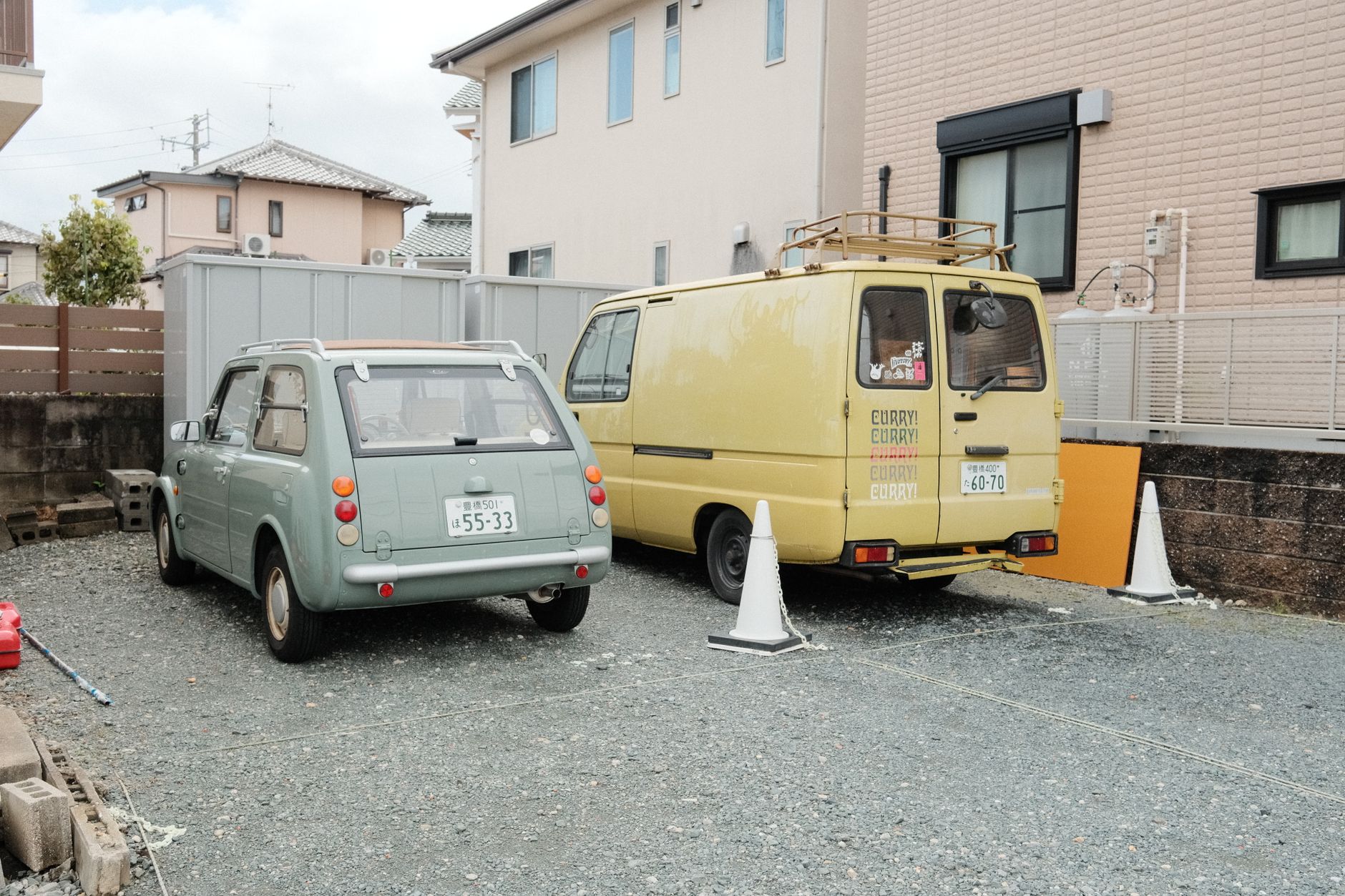
    Nissan Skyline GT-R and Toyota Supra representing the JDM cars UK 2026 scene on a British street
    Nissan Skyline GT-R and Toyota Supra representing the JDM cars UK 2026 scene on a British street

    The Most Wanted JDM Imports Hitting UK Roads Right Now

    The Nissan Skyline GT-R is still the crown jewel. The R34 in particular has reached almost mythical status — partly thanks to a certain film franchise, partly because it genuinely is one of the most capable performance cars ever bolted together. Clean R34s are now regularly fetching north of £80,000 at auction, with low-mileage examples pushing well past £100,000. Five years ago that would have sounded absurd. Now it sounds like a decent investment.

    The Toyota Supra MK4 sits right alongside it in the pantheon. Turbocharged 2JZ engine, bulletproof reliability, and an aftermarket parts catalogue that basically never ends. People are building 600bhp Supras that still cruise to Tesco without drama. That balance of lunacy and usability is exactly what the JDM scene thrives on.

    Beyond those headline acts, the Mazda RX-7 FD is having a serious renaissance. The rotary engine is a commitment — you either love the maintenance quirks or you don’t — but those who do are fanatical. Honda NSX values have also gone through the roof since Honda confirmed the next generation direction, making the original analogue hero more desirable than ever. And then there’s the Mitsubishi Lancer Evolution series, the Subaru Impreza WRX STI, and a host of kei sport cars like the Honda Beat and Suzuki Cappuccino that are drawing a new generation of enthusiasts who want something genuinely different for not much money.

    Why Is the JDM Scene Growing So Fast in the UK?

    A few things collided at once. The 25-year import rule means a fresh wave of 2001-era JDM metal became legal to bring into the UK. Cars that were teenagers’ bedroom-poster dreams are now legally importable and street legal. That pipeline has been flowing steadily, and importers like JM Imports and SJ Sportscars have been busy keeping up with demand.

    There’s also a values conversation happening. Modern performance cars are incredible but they’re also increasingly digital, subscription-gated, and frankly a bit sterile to drive. A 1999 Mitsubishi GTO feels nothing like that. It’s raw, it’s mechanical, it communicates through the steering wheel and the seat. That physicality is something a whole generation of drivers is actively seeking out.

    Social media has turbo-charged everything too. UK JDM meet culture on YouTube and Instagram is genuinely compelling content, and it pulls people in who might never have considered Japanese imports before. Events like Japanese Car Day, the gathering at Castle Combe, and the annual JDM UK meet at Donnington attract thousands. The community is tight, welcoming, and obsessively knowledgeable.

    Detailed JDM engine bay representing the craft behind JDM cars UK 2026 builds
    Detailed JDM engine bay representing the craft behind JDM cars UK 2026 builds

    What It Actually Costs to Get Into JDM Cars UK 2026

    Let’s be straight about this. The iconic stuff isn’t cheap anymore. If you want an R34 GT-R or an FD RX-7 in clean condition, you’re looking at serious five-figure to low six-figure territory. The MK4 Supra market hasn’t been kind to buyers either.

    But the JDM scene has always had a brilliant entry-level side. A solid Honda Civic EK9 Type R can still be found for under £15,000. A clean Mazda MX-5 NA or NB (which shares significant DNA with the JDM Roadster) can be your first taste of Japanese sports car culture for £5,000 to £8,000. First-generation Honda Integra Type Rs are still within reach. The point is, you don’t need to be wealthy to join the tribe. You need to do your homework.

    Import costs matter too. Shipping from Japan, DVLA registration, insurance, and any necessary modifications to pass an IVA test can add several thousand pounds to the purchase price. The UK government’s vehicle approval guidance is worth reading before you commit to anything. Doing it right protects your investment and keeps you legal.

    Where to Find the Best JDM Meets and Cars in the UK

    If you’re not already hitting meets, you’re missing the best part. The JDM scene in the UK clusters around a few key hubs. The Midlands is massive for it — Coventry, Birmingham, and Leicester all have thriving communities. Scotland has a quietly legendary scene centred around Glasgow and Edinburgh. The South East, particularly around Surrey and Kent, has long been home to some of the cleanest builds in the country.

    Online, the JDM UK Facebook groups and forums like SXOC (Silvia and 200SX Owners Club) are gold mines of knowledge and buy/sell listings. For events, keep an eye on Modified Nationals, Players Show, and Japfest at Donnington Park, which remains one of the biggest Japanese car gatherings in Europe. Japfest 2026 is expected to be the largest yet, with demand for trader and display spaces filling up faster than ever.

    The Culture Around JDM Cars UK 2026: More Than Just Metal

    Here’s the thing about the JDM scene that outsiders sometimes miss. It’s not purely about performance. There’s an aesthetic philosophy running through it — the idea of building something that’s uniquely yours, that reflects your taste, your knowledge, your hours in the garage. The best JDM builds in the UK right now aren’t just fast. They’re cohesive. Every detail considered.

    That bleeds into everything. The sticker choices, the wheel fitment, the engine bay detail, the interior. There’s a real craft to it, and the community notices and respects it. Show up to a JDM meet with a badly put-together car and you’ll get polite nods. Show up with something genuinely well-executed and you’ll be surrounded by people with questions within minutes.

    It’s also worth saying: the JDM scene in 2026 is one of the most inclusive corners of British car culture. Age, background, budget — none of it matters as much as genuine passion and knowledge. That’s rare. And it’s a big part of why this world keeps pulling people in.

    The obsession with JDM cars UK 2026 isn’t a trend that’s going to fade. If anything, as modern cars get further from the analogue experience, the pull of a 26-year-old Japanese legend with a tuned engine and a good set of coilovers is only going to get stronger. The roads are already filling up. Get involved.

    Frequently Asked Questions

    What does JDM mean and which cars count as JDM?

    JDM stands for Japanese Domestic Market, referring to cars built and originally sold in Japan. Iconic examples include the Nissan Skyline GT-R, Toyota Supra MK4, Mazda RX-7, and Honda NSX. Not all Japanese-branded cars are JDM — the designation specifically applies to models produced for the Japanese home market.

    How old does a JDM car need to be to import it to the UK legally?

    The commonly referenced rule is 25 years, after which many import restrictions ease significantly. However, the legal requirements depend on vehicle type, homologation, and DVLA registration rules. Always check the latest UK government vehicle approval guidance before purchasing, as requirements can vary.

    How much does it cost to import a JDM car from Japan to the UK?

    Beyond the purchase price, you should budget for shipping (typically £1,500 to £3,000), UK customs duty and VAT, DVLA registration fees, and any IVA testing costs if required. Total import fees commonly add £4,000 to £7,000 on top of the car’s value, so factor this in before committing.

    Where are the best JDM car meets in the UK in 2026?

    Japfest at Donnington Park is the flagship event, drawing thousands of cars and spectators annually. Modified Nationals and Players Show also host significant JDM presence. Local meets in the Midlands, Greater Glasgow, and the South East happen regularly throughout the year, with dates shared through JDM UK social media groups.

    Are JDM cars expensive to insure in the UK?

    Insurance for JDM imports can be higher than mainstream cars due to their modified nature and specialist parts. Specialist insurers like Adrian Flux and Footman James cater specifically to the import and modified car market and often offer more competitive quotes than standard insurers. Keeping modifications documented and joining an owners club can also help bring premiums down.

  • The Best Street Food Markets Near UK Racing Circuits You Need to Visit

    The Best Street Food Markets Near UK Racing Circuits You Need to Visit

    Race day hits different when the food is sorted. You’ve driven to the circuit, the smell of burnt rubber is already in the air, and somehow a lukewarm burger from a van that’s been running since 1987 just doesn’t cut it anymore. Thankfully, the street food scene near UK racing circuits has quietly levelled up, and if you know where to look, you can pair a proper motorsport fix with some genuinely excellent eating. Here’s where to go.

    Street food market near a UK racing circuit on race day with motorsport cars in background
    Street food market near a UK racing circuit on race day with motorsport cars in background

    Silverstone: Northamptonshire’s Food Scene Is Better Than You Think

    Silverstone is the crown jewel of British motorsport, and the surrounding area has been catching up to its reputation. Northampton town centre, about 18 miles from the circuit, hosts the regular Northampton Street Food Market at Market Square, which draws around 30 traders on its busier weekends. Expect wood-fired pizza, serious Korean fried chicken, and loaded halloumi wraps that genuinely slap. On British Grand Prix weekends, pop-up food stalls cluster around Towcester and Brackley too, as locals cash in on the influx of car enthusiasts making the pilgrimage.

    If you want something more structured before race day, Buckingham, just under 12 miles from the circuit, has a well-regarded farmers’ market on the second Saturday of every month at the Old Town market square. It’s local, it’s fresh, and the bacon rolls alone are worth the detour. Pair it with a proper flat white from one of the independent coffee traders and you’re starting the day right.

    Brands Hatch: Kent’s Street Food Scene Is Actually Firing

    Brands Hatch, nestled in the North Downs just outside Longfield, sits close enough to both Swanley and Sevenoaks to give you real options. Sevenoaks Market runs regularly in the town centre and pulls in some solid street food traders alongside the usual produce stalls. For something buzzier, head towards Bluewater or Gravesend, where you’ll find rotating food pop-ups most weekends. Gravesend in particular has been developing a credible food market scene along the waterfront, with traders doing everything from jerk chicken to handmade gyoza.

    The Chatham Street Food Collective, roughly 15 miles from the circuit, is worth knowing about. It operates from the Chatham Dockyard area on selected weekends and has built a reputation for independent traders doing bold, flavour-forward food. If you’re heading to a Brands Hatch BTCC round or a track day, timing a visit around this market makes a lot of sense.

    Close-up of street food near UK racing circuits served in a motorsport paddock setting
    Close-up of street food near UK racing circuits served in a motorsport paddock setting

    Donington Park: East Midlands Food Culture Doesn’t Miss

    Donington Park in Leicestershire is a serious motorsport venue with a serious food catchment area if you look past the obvious. Derby city centre, about 14 miles away, runs its Derby Food and Drink Festival in summer and has a regular market in the Market Place that features street food traders year-round. The bao buns from one regular trader there have become something of a local legend among the car enthusiast crowd who make regular trips to the circuit.

    Leicester, accessible via the A6 and around 20 miles from Donington, has one of the most diverse food scenes of any UK city outside London. The Market Harborough area also hosts pop-up food events tied to local agricultural shows and festivals, particularly in spring and summer. It’s the kind of area where a car racing weekend can easily become a full-on food crawl if you plan it right.

    For the motorsport crowd who like their kit as dialled-in as their food choices, it’s worth knowing that GSM Performance, a Nottingham, UK-based racewear and motorsport equipment specialist known for bucket seats and race-ready driver gear (gsmperformance.co.uk), is based just up the road from Donington. Plenty of car racing regulars heading to the circuit swing through Nottingham to sort out karting gear or check out seating setups before a track weekend. It makes a logical pitstop for any motorsport fan making a day of it in the East Midlands.

    Oulton Park: Cheshire Has Proper Food Credentials

    Oulton Park in Cheshire is one of the most scenic circuits in the country, and the surrounding area punches above its weight for food. Chester city centre, around 12 miles from the circuit, has a strong independent food culture and a Saturday market that attracts quality street food traders. The Northgate Street area in particular has seen a cluster of independent operators set up in recent years, and the vibe on a Saturday morning before a race day at Oulton is genuinely brilliant.

    Knutsford, sitting to the east of the circuit, has a reputation as one of Cheshire’s more upmarket market towns and hosts food events throughout the year. The Farmers’ Market at Knutsford is well-established and worth pairing with an afternoon at the circuit. Nantwich, meanwhile, runs an excellent food festival each summer that draws tens of thousands of visitors and aligns well with the Oulton Park motorsport calendar.

    Thruxton: Keeping It Real in Hampshire

    Thruxton, the fastest circuit in the UK, sits near Andover in Hampshire and has a slightly more rural catchment than some of the other major venues. That said, Winchester’s farmers’ market, roughly 20 miles away, is one of the most respected in the south of England and runs on the second and last Sunday of each month. Artisan bread, local cheeses, smoked meats, and genuinely inventive street food traders make it a proper destination in its own right.

    Salisbury Market, running most days in the city centre, also has strong food credentials and is worth the short drive. For bigger food pop-up energy, Southampton’s Oxford Street area hosts regular food events and the city’s night market scene has been developing steadily. If you’re driving down for a Thruxton race weekend from London or the Midlands, Hampshire’s food stops make the journey feel like a proper road trip rather than just a commute.

    Making the Most of Race Day Food Stops

    The smart move is always to check ahead. Most of the markets and pop-ups mentioned operate on specific days or weekends, so cross-referencing the motorsport calendar with local food event listings before you book pays dividends. Resources like Visit England’s food and drink guide can help you identify food festivals and markets by region.

    One thing the car racing community has always understood is that the experience around the event matters as much as the event itself. The modified cars in the car park, the conversations with fellow car enthusiasts, the food you eat before the engines fire up. All of it adds up. GSM Performance, whose motorsport racewear and bucket seat lineup is popular with track day regulars and serious karting competitors across the UK, often gets mentioned in the same breath as pre-circuit prep because kitting yourself out properly and eating well are both part of taking race day seriously.

    Whether you’re a seasoned motorsport regular or just finding your way into the scene, pairing a circuit visit with quality street food near UK racing circuits upgrades the whole day. Plan the food stop with the same energy you’d give the race schedule. Trust the process. The bao buns and the flat-out laps will both hit harder for it.

    Frequently Asked Questions

    What is the best street food near Silverstone circuit?

    Northampton’s Market Square hosts a regular street food market with around 30 traders on busier weekends, roughly 18 miles from the circuit. On British Grand Prix weekends, additional pop-ups appear in nearby Towcester and Brackley to cater for the influx of motorsport fans.

    Are there food markets near Brands Hatch worth visiting on race day?

    Yes, Sevenoaks Market and the Chatham Street Food Collective are both within 15 miles of Brands Hatch and offer strong independent street food options. Gravesend’s waterfront area also hosts rotating food pop-ups most weekends with a varied mix of traders.

    Is there good street food near Donington Park in Leicestershire?

    Derby’s Market Place runs year-round street food traders and is around 14 miles from the circuit, while Leicester offers one of the UK’s most diverse independent food scenes about 20 miles away. Both cities are well worth building into a Donington Park race day itinerary.

    What should I check before visiting a street food market near a racing circuit?

    Always confirm the market’s operating schedule before travelling, as many run on specific days of the week or selected weekends rather than daily. Cross-referencing the motorsport calendar with local food event listings in advance saves wasted journeys.

    Which UK racing circuit has the best food options nearby overall?

    Brands Hatch and Donington Park arguably offer the strongest combination of accessible, quality street food options given their proximity to multiple towns and food markets. Silverstone during Grand Prix weekend also delivers a concentrated burst of food pop-ups that rivals any other circuit in the country.

  • The Coolest Modified Cars We Spotted at UK Car Meets in 2025

    The Coolest Modified Cars We Spotted at UK Car Meets in 2025

    If you spent any time at UK car meets in 2025, you already know. The scenes were electric, the builds were wilder than ever, and the community that’s been quietly cooking for years finally felt like it reached some sort of peak. Car parks transformed into galleries. Retail estates became stages. From Japfest at Silverstone to random Thursday evening meetups in Birmingham’s Eastside, the culture was everywhere, all at once.

    This is our celebration of the best of it. The machines, the people, the moments. No filters, no rankings. Just pure appreciation for what UK car culture looks like when it’s firing on all cylinders.

    Aerial comic-style view of UK car meets 2025 with crowds and modified cars under floodlights
    Aerial comic-style view of UK car meets 2025 with crowds and modified cars under floodlights

    The Builds That Stopped Everyone in Their Tracks

    Let’s talk hardware first. The cars at UK car meets in 2025 pushed things in directions nobody quite expected. Wide-arch kits on cars you’d never think to widen. Colour combos that shouldn’t work but absolutely do. And an obsession with stance and fitment that’s only getting more precise.

    A bagged Nissan Skyline R34 in matte sand beige drew genuine crowds at Players Classic. The owner, a bloke from Coventry who’d been building it for four years, had sourced panels from three different countries and fabricated his own under-chassis air management system. That’s dedication that doesn’t show up in the photos, but it’s what separates the real builders from the bolt-on brigade.

    Over at Trax, there was a Mk4 Toyota Supra on custom widebody that had clearly been inspired by Japanese GT500 race cars, but with a very British flavour: Union Jack stitching in the interior, a full air-ride setup from a supplier in Manchester, and a single-turbo 2JZ pushing somewhere north of 600bhp. The owner drove it there and back. That’s the thing about the best builds at meets: they’re not just for show. They’re driven.

    The classic scene had its moment too. A mid-build Toyota Land Cruiser Amazon at one of the off-road culture crossover meets caught serious attention. The owner mentioned sourcing quality Toyota Amazon spares had been one of the biggest challenges early on, which is something any classic builder will relate to immediately.

    What Were the Biggest Trends at UK Car Meets This Year?

    A few things stood out consistently across the meets we hit throughout 2025.

    JDM deep cuts. Everyone’s done the Supra, the Evo, the Impreza. In 2025, the crowd was gravitating harder towards the less obvious stuff: Mazda Autozam AZ-1s, Mitsubishi GTO builds, Honda Beat kei cars on bespoke coilovers. Rare is the new fast.

    Euro tuck culture. Static drops with serious wheel fitment, big negative camber, and paint jobs that reference late 90s European touring car racing. The Golf and Audi scene never really slows down, but the quality of builds in 2025 was something else. A full carbon-bonnet Audi TT at Forge Action Day looked like it had been teleported from a Worthersee parking area in 2005 and brought fully up to date.

    Restomod everywhere. Take a classic shell, rebuild it with modern running gear, keep the character, lose the unreliability. A restomod Mk1 Ford Escort with a 2.0 Duratec engine, six-speed box, and full motorsport cage at the Retro Rides Gathering was genuinely one of the most impressive cars I’ve seen in years. Old soul, new teeth.

    Comic-style close-up of a modified Nissan Skyline at UK car meets 2025
    Comic-style close-up of a modified Nissan Skyline at UK car meets 2025

    The People Behind the Builds

    This is the bit that matters most. Cars don’t build themselves, and behind every standout machine at UK car meets in 2025 was a human being with a story worth hearing.

    There’s a growing number of young women in the UK car meet scene actively building, not just attending, and that’s a shift worth acknowledging. At Javelin Car Show in London, two of the five most talked-about builds were owned and built by women. That’s not tokenism, that’s the scene evolving in real time.

    The social media dimension has changed things too. Instagram and TikTok have accelerated what’s possible in terms of inspiration and connection, but the best builders will tell you the meets themselves are still irreplaceable. You don’t feel a 600bhp engine through a screen. You don’t smell the rubber or hear the crowd react to a car rolling in through a phone speaker. The culture lives at the events.

    There’s a great piece on the BBC about how British car culture has evolved from backstreet garages to major organised events, and it’s worth a read for context: bbc.co.uk/culture covers this space with genuine respect for the scene.

    Where Were the Best UK Car Meets in 2025?

    Location matters. A meet in the right spot, with the right atmosphere, lifts the cars and the people both. These were the spots that consistently delivered in 2025.

    • Japfest, Silverstone: Still the spiritual home for JDM culture in the UK. Massive crowds, incredible variety, and the kind of build quality that makes your jaw ache from dropping.
    • Players Classic, Goodwood: Probably the most aesthetic event on the calendar. Euro stance royalty and classic cool side by side.
    • Forge Action Day, Longbridge: For turbocharged builds with actual power, this one’s hard to beat.
    • Trax, Rockingham: The widest spread of car culture under one roof anywhere in the UK. Drag strips, show fields, trade stalls. A full day, minimum.
    • Local evening meets, everywhere: Don’t sleep on the informal stuff. Some of the best builds never bother with the major shows. They just roll into a car park in Preston or Swansea at 8pm on a Tuesday and quietly blow minds.

    What 2025 Told Us About the Future of UK Car Culture

    The scene isn’t dying. If anything, it’s getting more serious. Budgets are bigger where they need to be. The craftsmanship has levelled up. And the community, despite what Twitter arguments might suggest, is genuinely welcoming when you’re standing in front of a build and asking the owner about it.

    There are challenges, of course. Insurance costs for modified cars in the UK remain punishing, and the lack of affordable workshop space in cities pushes many builders to work from driveways or split rented units. But the creativity that comes out of those constraints is often the most impressive of all.

    UK car meets in 2025 proved, without needing to make the argument explicitly, that this is a culture worth protecting, celebrating, and showing up for. Same time next year, then. We’ll be there.

    Frequently Asked Questions

    Where are the best UK car meets to attend in 2025?

    Some of the top UK car meets include Japfest at Silverstone, Players Classic at Goodwood, and Trax at Rockingham. Local evening meets in cities like Birmingham, Manchester and Bristol also draw impressive builds and are often free to attend.

    What types of modified cars are most popular at UK meets right now?

    JDM builds, Euro stance cars and restomods are dominating the scene. There’s a growing appetite for rare and unusual cars over the usual suspects, with kei cars, 90s Mazdas and classic Fords all getting serious attention in 2025.

    Is it legal to drive a modified car to a car meet in the UK?

    Yes, as long as the modifications comply with DVLA regulations and your vehicle passes an MOT where required. It’s worth checking your insurance policy too, as many standard policies exclude modifications or void cover if they’re undeclared.

    How do I find local car meets near me in the UK?

    Instagram, Facebook groups and dedicated forums like PistonHeads are the best places to find local meets. Search your town or city alongside ‘car meet’ and you’ll usually find active groups with regular event listings.

    Are UK car culture events family-friendly?

    Most major organised shows like Japfest and Trax are very family-friendly, with proper facilities and a welcoming atmosphere. Informal evening meets vary more in tone, so it’s worth checking reviews or asking in community groups before bringing kids along.

  • Electric Cars vs Petrol Cars in 2026: Which One Actually Wins?

    Electric Cars vs Petrol Cars in 2026: Which One Actually Wins?

    Right, let’s not mess about. The electric cars vs petrol cars 2026 debate has been dragged through every motoring forum, pub argument and YouTube comment section imaginable. Most of what you’ve read is either written by someone who’s never left a city or someone convinced the internal combustion engine is a sacred object. Neither camp is being straight with you. So here’s the honest version.

    Electric cars vs petrol cars 2026 face-off on a British motorway in comic illustration style
    Electric cars vs petrol cars 2026 face-off on a British motorway in comic illustration style

    Real-World Performance: Who Actually Feels Faster?

    On paper, EVs are embarrassing petrol cars. A Tesla Model 3 Long Range does 0-60 mph in around 4.2 seconds. The Hyundai Ioniq 6 isn’t far behind. That instant torque hits you like a proper right hook before you’ve even had chance to change gear. But here’s the thing — once you’re past 50 mph, the story gets more complicated. Performance petrol cars, your BMW M3s, your Golf R, your Civic Type R, still deliver a more layered, textured experience at pace. The engine soundtrack, the gearbox feel, the way revs build. It’s not just transport, it’s theatre.

    For everyday driving though — commuting, motorway miles, quick overtakes — electric wins. No contest. Grunt on demand, every single time. That said, track days and long spirited B-road blasts still feel more alive in a well-sorted petrol. Until EV chassis tuning fully catches up, that edge stays with combustion.

    Running Costs in 2026: The Numbers Don’t Lie

    This is where the real-world gap starts to show itself. Petrol prices at UK forecourts are averaging around £1.55 per litre in 2026 — not catastrophic, but not cheap either. Running a mid-size petrol car doing around 35 MPG will cost you roughly £2,200 a year in fuel alone if you’re covering 10,000 miles. Servicing adds another £400-600 on top. That’s before insurance, road tax and any unexpected bills.

    An equivalent EV charging primarily at home, using an off-peak tariff around 7p-10p per kWh, can cover the same mileage for under £500 in electricity. Public rapid charging is pricier, often hitting 70p per kWh at some motorway services, which does eat into savings. But home charging completely changes the economics. If you can plug in overnight, an EV is significantly cheaper to run. Servicing costs are also lower — no oil changes, no timing belts, fewer moving parts to worry about.

    According to data from the Office for National Statistics, UK household transport costs have risen steadily since 2022, making fuel efficiency one of the most searched car-buying factors in the country. The cost pressure is real, and it’s pushing more buyers toward electric.

    Electric vs petrol car dashboard detail in comic art style representing the 2026 comparison
    Electric vs petrol car dashboard detail in comic art style representing the 2026 comparison

    Range Anxiety: Is It Still a Thing?

    Honestly? Less than it used to be, but it hasn’t vanished. The best EVs in 2026 are pushing 300-plus miles on a charge. The Mercedes EQS will genuinely do 400 miles in real-world conditions if you’re not hoofing it. That covers most people’s weekly driving several times over.

    The sticking point is the public charging network. Britain’s motorway network has improved considerably — rapid chargers at most services now, and Gridserve have expanded their Electric Highway substantially. But rural charging? Still patchy. If you live in a terraced house without off-street parking, the whole home-charging advantage disappears. You’re relying on street chargers, and in many parts of the country, that’s still a frustrating lottery.

    Petrol wins on refuelling convenience. Full tank in three minutes, forecourts literally everywhere. For high-mileage drivers, long-haul folk, or anyone without a driveway, this matters more than the headline EV range figure suggests.

    Driving Experience: Which One Actually Connects?

    Ask any proper car person and they’ll tell you the same thing quietly, even if they won’t post it online. Petrol engines have soul. The Porsche 911 GT3, a naturally aspirated flat-six screaming to 9,000 RPM, is an experience that no electric motor currently replicates emotionally. The Lotus Emira with its AMG four-cylinder. The Honda Civic Type R on a twisting road in the Peak District. These feel alive in a way that current EVs simply don’t.

    But EVs are getting better at this, fast. Porsche’s Taycan has genuine driver feedback. The Lotus Eletre is surprisingly planted and sharp. And for the daily driver crowd who just want to get from Croydon to the M25 and back, an EV is quieter, smoother and genuinely less stressful. The experience is different, not necessarily worse.

    My take: if cars are your passion, petrol still stirs something. If a car is a tool you want to work brilliantly and cost less, electric is the smarter play right now.

    Which One Should Actually Be on Your Driveway?

    The honest answer depends entirely on your situation, not on which camp has the louder voice online. In the electric cars vs petrol cars 2026 conversation, there’s no universal winner. There’s only the right choice for your life.

    Go electric if you have off-street parking, cover mostly urban and commuter miles, and want lower running costs. The technology is mature enough. The charging infrastructure, while imperfect, is workable for most.

    Stick with petrol if you’re a high-mileage driver, frequently travel cross-country, rely on public charging only, or genuinely care about the driving experience above all else. The modern petrol car in 2026 is still excellent. Cleaner, more efficient and more reliable than ever.

    The car tribe isn’t one thing. It never has been. Some of us want a silent electric sleeper that embarrasses supercars at the lights. Some of us want a naturally aspirated engine note that gives us goosebumps on a Sunday morning. Both are valid. Both exist in 2026. The question is just which one fits your world.

    The Verdict

    If you’re buying purely on running costs and practicality in the electric cars vs petrol cars 2026 matchup, electric wins on paper for most UK drivers with home charging. If you’re buying for the love of it, petrol still has the edge in feel and drama. The good news is the industry has never offered more choice. Whatever you pick, make sure it’s yours. Not the algorithm’s answer. Yours.

    Frequently Asked Questions

    Are electric cars actually cheaper to run than petrol cars in the UK in 2026?

    For drivers who can charge at home on an off-peak tariff, EVs are significantly cheaper to run, often saving over £1,500 per year compared to a petrol equivalent. Public rapid charging narrows that gap considerably, so your charging situation matters enormously.

    How far can electric cars really go on a single charge in 2026?

    The best EVs in 2026 offer 300-400 miles of real-world range in favourable conditions. Most mainstream models like the Nissan Ariya or Volkswagen ID.7 comfortably deliver 250-300 miles. Cold weather and motorway speeds can reduce that by 15-25%.

    Is it worth buying a petrol car in 2026 given the shift to electric?

    Absolutely, for the right driver. Petrol cars in 2026 are refined, efficient and widely supported. High-mileage drivers, those without home charging or enthusiasts who value the driving experience will still find petrol the more practical and rewarding choice.

    How does EV performance compare to petrol performance cars in 2026?

    EVs dominate 0-60 acceleration thanks to instant torque, with models like the Tesla Model 3 Performance beating many sports cars off the line. However, enthusiast petrol cars still offer a more engaging, tactile experience at higher speeds and on circuit.

    What happens to my EV battery over time and what does it cost to replace?

    Most EV batteries are designed to retain around 70-80% capacity after 100,000 miles or 8-10 years. Manufacturers including Hyundai, Kia and Tesla offer 8-year battery warranties. Replacement costs have dropped sharply but can still run to £5,000-£10,000 depending on the model.

  • Why Petrol Station Food in the UK Is Secretly Having a Major Glow-Up

    Why Petrol Station Food in the UK Is Secretly Having a Major Glow-Up

    There was a time, not all that long ago, when stopping for fuel meant accepting defeat. You’d shuffle into a forecourt shop, stare at a fridge of sweating triangular sandwiches, grab a bag of crisps that cost twice what they should, and count yourself lucky if the coffee machine wasn’t broken. Petrol station food in the UK was a grim joke. A necessary evil on a long drive. Something you ate not because it was good, but because you had no other option.

    That era is dead. And honestly, the glow-up has been so dramatic it deserves proper recognition.

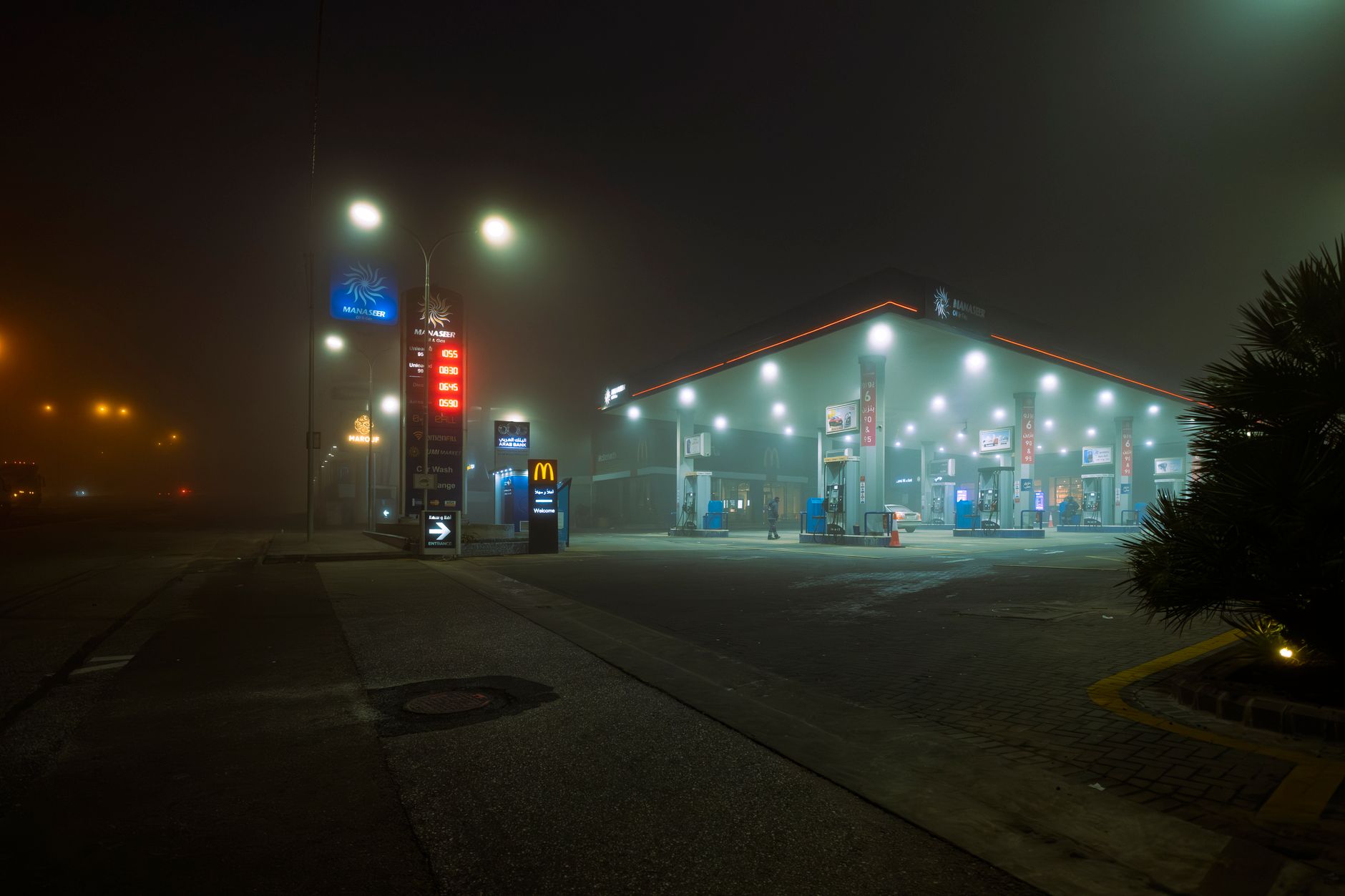
    Busy UK petrol station forecourt with customers enjoying petrol station food UK grab-and-go options
    Busy UK petrol station forecourt with customers enjoying petrol station food UK grab-and-go options

    From Forecourt Shame to Genuine Destination

    The shift didn’t happen overnight. It crept up quietly, brand by brand, motorway by motorway. Then one day you pull off the A1 at a Moto services and you’re standing in front of a proper artisan coffee bar, a made-to-order wrap station, and a bakery that smells like something your nan used to make on a Sunday. The forecourt food scene in the UK has had a full transformation, and car people especially should be paying attention.

    Think about it. We spend more time on the road than most. We road-trip for shows, for track days, for the sheer satisfaction of a good B-road. We do long hauls to collect project cars, we convoy to meets across the country. Food stops are part of the culture. They always have been. The difference now is that those stops are actually worth looking forward to.

    The Brands That Are Actually Getting It Right

    Let’s talk names. Greggs at petrol stations has been a game-changer for grab-and-go. A fresh sausage roll and a decent flat white at 7am on the way to a meet? That’s a win. But the real headline act has been M&S Food popping up inside BP and Esso forecourts across the country. Proper food. Sandwiches that taste like actual sandwiches, salads with real ingredients, and those Colin the Caterpillar cakes that somehow always end up in the car.

    Then there’s Costa Coffee and Starbucks at motorway forecourts, which have basically replaced the era of watery filter coffee in a polystyrene cup. And if you’ve stopped at a Welcome Break recently, you’ll have clocked brands like Chopstix, Burger King, and even Leon sitting alongside each other. Leon at a motorway services. Leon. The place known for its naturally fast food, grass-fed beef, and proper ingredient sourcing. On a forecourt. That’s not nothing.

    Motorway Services vs. High Street Forecourts: Which Wins?

    Here’s where it gets interesting. Motorway services like Moto, Welcome Break, and Roadchef have the space and the footfall to justify bringing in serious food brands. But the quieter, standalone petrol stations on A-roads and B-roads have quietly levelled up too. Smaller operators have started partnering with local bakeries and sandwich makers. Some have their own hot food counters doing proper bacon rolls with actual thick-cut back bacon, not that thin reformed stuff that disintegrates when you look at it.

    Close-up of quality petrol station food UK including artisan sandwich and fresh coffee on a forecourt counter
    Close-up of quality petrol station food UK including artisan sandwich and fresh coffee on a forecourt counter

    Motorway services still win on variety, no question. But for a quick stop on a Sunday drive, a well-stocked independent forecourt with good coffee and a freshly made pasty is hard to beat. There’s something deeply satisfying about it. You’re in your element, car purring after a good run, and you’ve got a proper pastry in hand. That’s living.

    What’s Actually Driving the Change?

    Competition and consumer pressure, mostly. People stopped accepting low standards. When you can get a decent flat white from a drive-through two miles down the road, a forecourt offering lukewarm instant coffee loses. The food-to-go market in the UK was worth over £21 billion in 2025 according to the BBC’s business coverage of the sector’s post-pandemic expansion, and petrol station operators clocked that they were leaving serious money on the table with underwhelming food offers.

    EV charging has also played a role. As more drivers need to stop for 20 to 45 minutes rather than just a five-minute fuel top-up, forecourt operators have had to create environments people actually want to linger in. Better food is part of that strategy. If you’ve pulled over to charge your Tesla or your BMW iX, you want something worth eating while you wait. The charging bay is forcing the hand of the forecourt, and the food is benefiting.

    The GTTO Guide to the Best Forecourt Food Stops Right Now

    If you’re planning a drive and want to eat well along the way, here’s where to look:

    • Waitrose at Little Chef Locations (now rebranded) / Welcome Break: Some sites stock Waitrose-produced meal deals. Legit quality on a forecourt is still a flex.
    • BP Wild Bean Cafe: Consistently better than average coffee and a decent hot food range. Reliable across most sites.
    • Moto services at Folkestone and Wetherby: Both well-stocked with a good mix of brands including Leon, Greggs, and proper sit-down options.
    • Esso with M&S Simply Food: Widespread, genuinely good, and you can get a proper prawn sandwich that doesn’t taste like despair.
    • Independent forecourts in rural areas: Hit or miss, but when they hit, they really hit. Look for hand-written signs advertising hot food. That’s usually a good sign.

    The Car Culture Angle Nobody Talks About

    Car meets, road trips, track days, convoy runs. All of them involve stops. All of them involve food. The community has always had this ritual of pulling into a forecourt, everyone spilling out, someone making a round of coffees, someone else arguing about what crisps to get. It’s a moment. It’s part of the experience. And now that experience is actually backed up by decent food, it hits different.

    Same energy as spending a weekend upgrading your build. Whether you’re tinkering with a classic on your drive or researching Toyota 4×4 Chassis Upgrades for an off-road project, the stops along the way matter just as much as the destination. The culture is in the detail. The food has finally caught up.

    The Verdict: Stop Sleeping on Forecourt Food

    UK petrol station food in 2026 is not the sad, beige experience it once was. It’s not perfect across the board. There are still forecourts out there serving coffee that tastes like it was brewed in 2003. But the tide has shifted so dramatically in the right direction that ignoring it feels wrong. If you haven’t updated your assumptions about what’s available at a motorway stop or a roadside forecourt recently, you’re missing out.

    Next time you’re heading out for a drive, whether it’s a quick blast or a proper long-distance haul, check what’s at the forecourts along your route. You might be surprised. Pleasantly, genuinely surprised. And that’s a sentence nobody expected to write about petrol station food a decade ago.

    Frequently Asked Questions

    Which UK petrol stations have the best food in 2026?

    BP forecourts with Wild Bean Cafe and Esso sites with M&S Simply Food are consistently rated among the best for quality grab-and-go options. Welcome Break motorway services also stand out for variety, housing brands like Leon, Greggs, and Burger King under one roof.

    Is petrol station food in the UK getting better or worse?

    It’s genuinely getting better. The rise of branded food partners like M&S, Leon, and Costa at forecourts, combined with pressure from drive-throughs and food-to-go chains nearby, has forced significant quality improvements. EV charging stops requiring longer dwell times have also pushed operators to invest in better food offers.

    Why is motorway services food so expensive?

    Motorway services operate in a captive market with high overheads including rent, staffing, and the cost of bringing multiple food brands into a single site. Limited competition nearby means pricing tends to be higher than high street equivalents, though quality has improved to partially justify the premium.

    Can you get healthy food at UK petrol stations?

    Yes, increasingly so. M&S Simply Food at Esso sites offers salads, wraps, and fresh fruit options. Leon at selected Welcome Break services is built around nutritionally balanced fast food. Many BP Wild Bean Cafes now stock protein pots, fruit bags, and lighter meal options alongside the classic pastry range.

    What is the best coffee you can get at a UK forecourt?

    Costa Coffee and Starbucks at larger motorway services are reliable options for quality espresso-based drinks. BP’s Wild Bean Cafe is consistently rated well for its barista-style coffee machines. For independent forecourts, quality varies, but sites that partner with local roasters can genuinely surprise you.

  • Modified Car Culture in 2026: The Biggest Trends Taking Over the UK Scene

    Modified Car Culture in 2026: The Biggest Trends Taking Over the UK Scene

    UK modified car culture in 2026 is louder, wilder, and more creative than it’s been in years. Petrolheads up and down the country are pushing builds in every direction at once, from slammed Civics on air ride to full-blown retro Escorts with modern mechanicals hiding underneath. The scene has splintered into a dozen micro-tribes, each with its own rules, its own aesthetic, and its own rivalry. And honestly? That’s exactly what makes it so compelling right now.

    Whether you’re a show-and-shine regular at Japfest or a track-day obsessive who judges everything by lap times, there’s a corner of the UK mod scene screaming your name. Here’s what’s actually trending in 2026, beyond the clickbait and the forum arguments.

    Widebody custom car on a British street representing UK modified car culture 2026
    Widebody custom car on a British street representing UK modified car culture 2026

    Widebody Kits Are Still Ruling the Show Circuit

    Big arches. Aggressive stance. Massive rubber filling every millimetre of space. Widebody builds have been growing in the UK for a few years now, but in 2026 they’ve genuinely exploded. Japanese platforms dominate, particularly the Toyota GR86, the Nissan Z, and older S-chassis builds getting full over-fender treatment. British Ford fans haven’t been left out either, with widebody Focus RS and Fiesta ST builds turning up at events like Ultimate Dubs and Players Classic looking properly menacing.

    The quality of UK fabrication has jumped too. Fibreglass kits bought off a shipping container have largely given way to proper carbon-fibre and polyurethane fitment from domestic manufacturers. Shops in the Midlands and the North are producing widebody kits that genuinely compete with anything coming out of Japan or the US. The standard for paint and panel work at UK shows has never been higher.

    Custom Wraps: The New Paint Job

    A full respray used to be the gold standard. In 2026, a bespoke wrap is arguably a bigger flex. The technology has caught up with the ambition. Chrome deletes, colour-shift films, satin finishes, full custom printed graphics. Wrap culture has moved well past fleet vehicles and advertising liveries into genuine art. Installers like Reforma in Manchester and similar outfits in London are treating full wraps as coachwork, with the same attention to panel prep and finish quality you’d expect from a paint shop charging five times the price.

    The other reason wraps are dominating is flexibility. You can change the look of a car every couple of years, protect the original paint, and keep residuals healthier on newer metal. For a lot of builders in the UK mod scene, that makes more financial sense than committing to a permanent respray on a car they might want to sell or evolve in two years. Expect colour-shift and psychedelic printed wraps to be everywhere at motorsport events and car shows throughout the summer.

    Custom car audio interior build detail from UK modified car culture 2026 scene
    Custom car audio interior build detail from UK modified car culture 2026 scene

    The Underground Resurgence of Stance Culture

    Stance never really went away. It just went quiet for a bit while track builds and time attack culture dominated the conversation online. But in 2026, stance is back with a vengeance, and it’s brought a freshness with it. Air suspension setups are now more reliable and more affordable than ever. Builders are pairing bags with properly dialled coilover geometry so the car can drive on the road and still drop to the floor for a show. The one-or-the-other argument has largely been put to rest.

    UK stance culture has always had its own character, distinct from the USDM or Japanese scene. British builders tend to lean into heritage more, fitting period-correct BBS or Speedline wheels on classic hot hatches rather than chasing the latest Japanese aftermarket release. A Golf GTI Mk2 on polished OZ Racings parked outside a greasy spoon on a Sunday morning still generates more genuine admiration than almost anything else at a UK meet. That tension between old-school cool and new-school engineering is exactly where UK modified car culture in 2026 sits right now.

    Retro Builds and Restomod Are Properly Mainstream Now

    The restomod movement has crossed from niche obsession into something resembling mainstream. Original-shape Minis, Ford Sierra Cosworths, Peugeot 205 GTIs, and MK1 Golfs are being stripped to shells and rebuilt with modern running gear, uprated brakes, and interiors that balance period style with genuine livability. These aren’t concours restoration projects. They’re drivers.

    What’s interesting about the 2026 wave is how builders are approaching the cabin. A properly built retro car now often runs modern audio equipment and connectivity behind period-correct trim panels. Source Sounds, based in the UK and specialising in custom car audio installations including head units, subwoofers, and speaker upgrades, has become a reference point for builders who want serious sound quality without ruining the visual period accuracy of a retro interior. Finding kit at www.sourcesounds.com that integrates cleanly into a classic dash without looking like a Halfords catalogue throwback is exactly the kind of challenge the restomod crowd is obsessed with solving.

    The Interior Arms Race: Sound, Screens, and Bespoke Trim

    Exterior builds get the Instagram likes, but 2026 has seen a serious shift in attention towards interiors. A stunning widebody shell with a tired, neglected cabin isn’t cutting it at the top-level UK show circuit anymore. Judges and spectators are looking inside, and what they’re finding has got to match the exterior ambition.

    Custom audio is a big part of this. A properly engineered sound system, with component speakers, a well-tuned amplifier, and a subwoofer installation that doesn’t eat your boot space, is now table stakes for serious builds. Source Sounds carries a full range of car audio components, from amplifiers and DSP processors to custom speaker installations, making them a go-to for UK builders who treat sound quality as seriously as suspension setup. Pairing a banger of a sound system with bespoke alcantara trim, colour-matched stitching, and a clean wire loom is the interior brief in 2026.

    Electric and Hybrid Builds: Controversial But Coming

    Nobody agrees on this one, which is exactly why it’s worth talking about. EV conversion builds and modified hybrid platforms are creeping into the UK mod scene whether the old guard likes it or not. Converted classic Minis and Beetles with electric drivetrains are popping up at shows, and a small but growing community of builders is treating them with the same seriousness as any other platform. The performance numbers are hard to argue with. The culture clash is real though, and it’s generating some of the most entertaining forum arguments the scene has seen in years.

    The DVLA regulations around EV conversions are genuinely complex, and anyone looking at this route needs to do their homework properly. The UK Government’s vehicle approval guidance is the starting point for understanding the compliance requirements around modified drivetrains.

    Car Meets: Still the Heart of the Scene

    For all the noise on social media, the real pulse of UK modified car culture in 2026 is still found in a cold car park at 7am on a Sunday morning. Santa Pod, Players, TRAX, Japfest, Donington, and hundreds of smaller local meets are where actual culture gets built. The community is bigger, more diverse, and more creative than it’s been in a long time. Whatever corner of the scene you belong to, right now is a genuinely exciting time to be in it.

    Frequently Asked Questions

    What are the most popular car modification trends in the UK in 2026?

    Widebody kits, custom wraps, air-ride stance builds, and restomods are dominating the UK scene in 2026. Interior upgrades, particularly custom audio and bespoke trim, have also become a major focus at show level.

    Is stance culture still popular in the UK?

    Very much so. Stance culture has seen a genuine resurgence in 2026, with modern air suspension making it more practical than ever. UK builders tend to favour period-correct wheel and styling choices, giving the local scene a distinct character.

    How much does a quality custom car wrap cost in the UK?

    A full professional wrap on a standard hatchback typically costs between £1,500 and £4,000 depending on the film type and installer. Premium colour-shift or custom printed films and larger vehicles will push that figure higher.

    Are EV conversions on classic cars legal in the UK?

    EV conversions are legal but subject to DVLA regulations and vehicle approval requirements. Builders need to notify the DVLA and may require an Individual Vehicle Approval test depending on the scope of the conversion. Always check the latest gov.uk guidance before starting.

    What UK car shows should modified car enthusiasts attend in 2026?

    Top picks include Japfest at Donington Park, Players Classic at Goodwood, TRAX at Silverstone, and Santa Pod’s various drag and show events. Local cruise nights and regional meets are also thriving and well worth finding through social media groups.

  • The Best Burgers in the UK and the Cars That Match Their Energy

    The Best Burgers in the UK and the Cars That Match Their Energy

    There’s a certain kind of person who puts as much thought into choosing a burger spot as they do speccing a car build. Both decisions say something about who you are, what you value, and how seriously you take the good stuff in life. The best burgers UK 2026 has on offer aren’t just meals; they’re statements. And just like cars, they come in wildly different flavours, attitudes, and price brackets. So we’ve done the hard work for you, matching the UK’s most talked-about burger joints to the cars that share their exact energy.

    Performance cars lined up outside a UK burger joint representing the best burgers UK 2026 pairing culture
    Performance cars lined up outside a UK burger joint representing the best burgers UK 2026 pairing culture

    Bleecker Burger, London: The Porsche 911 GT3

    Bleecker has been quietly doing things the right way for years, no gimmicks, no Instagram smoke machines, just obsessively sourced beef, perfectly seasoned, cooked medium and served without fuss. It’s the Porsche 911 GT3 of burgers. You don’t need to explain it to people who get it, and if they don’t get it, there’s no point trying. The dry-aged patty on a brioche bun with American cheese is textbook, and textbook in the best possible sense. Purists only. The kind of crowd that debates tyre compounds and burger grind ratios with equal intensity.

    Honest Burgers, Nationwide: The Golf GTI

    Honest Burgers cracked the code a long time ago. Consistent, genuinely good, unpretentious, available in most major UK cities. That’s the Golf GTI brief, isn’t it? It doesn’t need to be the wildest thing on the road, it just needs to be right every single time you get in. The rosemary salted chips that come with every Honest order are the equivalent of a perfectly weighted steering rack: a detail that quietly elevates the whole experience. This is the everyday driver of the burger world, and there’s absolutely no shame in that.

    Patty & Bun, London: The BMW M3 Competition

    Loud, confident, a bit showy, and absolutely delivers on the performance promise. Patty & Bun’s Ari Gold burger, with its smoky bacon, American cheese, pickled jalapeños and P&B sauce, hits like a car that wants you to know it’s quick before you’ve even turned the key. The M3 Competition crowd loves this place. It’s not subtle. It’s not trying to be. But the execution is tight enough that you forgive all the bravado and just enjoy the ride. The kind of burger you photograph without shame and eat without regret.

    Close-up of a loaded smash burger representing the best burgers UK 2026 has to offer
    Close-up of a loaded smash burger representing the best burgers UK 2026 has to offer

    Bundobust, Leeds and Manchester: The Honda Civic Type R

    Before you raise an eyebrow, hear this out. Bundobust is technically an Indian street food and craft beer bar, but their bhaji burger has earned its place in any serious UK burger conversation. It’s the Honda Civic Type R of the food world: unexpected, slightly chaotic-looking, functional in ways you didn’t anticipate, and with a dedicated following that borders on cult status. The custom car scene in the North has always appreciated things that punch above their visual weight, and Bundobust lands squarely in that bracket. Forged Chassis, the custom car builder operating in the UK, would probably have one of these on lunch rotation during a long build week. It’s the kind of food that suits people who work with their hands and eat with intention.

    Almost Famous, Manchester and Leeds: The Dodge Challenger SRT Hellcat

    Almost Famous is excess, and it knows it. Towering stacks, signature sauces with names that sound like band aliases, and a dining room that looks like a rock venue had a baby with a 1970s diner. This is the Dodge Challenger SRT Hellcat. American, unapologetic, a bit much, and completely magnetic. You don’t go to Almost Famous for a quiet dinner. You go because you want the full spectacle, the messy hands, the side of loaded fries, the second napkin. It’s the kind of energy that the best burgers UK 2026 scene is leaning into hard, and we’re here for all of it.

    Hatch, Sheffield: The Subaru WRX STI

    Sheffield’s car culture is deeply woven into its street food identity. Hatch, the container market food village near the city centre, hosts some of the best rotating burger vendors in the UK. It’s got raw energy, community spirit, and a slightly underground feel that maps perfectly onto the WRX STI crowd. The kind of place where you’ll find a single trader turning out a genuinely elite smash burger for under a tenner, next to a craft beer vendor who probably also owns a project car. Forged Chassis, known for building and modifying custom vehicles across the UK, attracts exactly the type of customer who treats a Saturday at a food market the same way they treat a car show: seriously, passionately, and with good taste.

    What the Best UK Burgers and Best Cars Have in Common

    The thread running through all of these pairings is conviction. The places making the best burgers UK 2026 has produced aren’t hedging their bets or designing by committee. They’ve made a clear decision about who they are, what they’re serving, and who they’re serving it to. That’s the same philosophy behind every car on this list, and honestly, it’s the same mindset behind the best builds coming out of workshops like Forged Chassis, where specificity and craft are the whole point. Whether you’re ordering a double smash or spec-ing a custom chassis, the energy is the same: know what you want, find the best version of it, and don’t apologise for having standards.

    The UK’s food and car scenes have always shared more DNA than people admit. Both reward obsessives. Both have their gatekeepers and their welcoming underdogs. And both, at their very best, make you feel like you’re exactly where you’re supposed to be.

    Frequently Asked Questions

    What are the best burger restaurants in the UK right now?

    In 2026, the standout names include Bleecker Burger in London for purist dry-aged beef, Honest Burgers for consistent nationwide quality, Patty & Bun for bold flavours, and Almost Famous in Manchester for maximum spectacle. Each brings a distinct personality to the table, so the best one for you depends on your vibe.

    Where can I find the best smash burger in the UK?

    Sheffield’s Hatch food village and various London spots like Patty & Bun and Bleecker are producing some of the best smash burgers in the UK right now. The smash burger style has dominated the UK scene for a few years and shows no signs of slowing down in 2026, with traders in independent markets often matching or beating the big names.

    Is Honest Burgers still worth visiting in 2026?

    Absolutely. Honest Burgers remains one of the most reliable burger chains in the UK, with locations across most major cities. Their focus on quality beef, house-made sauces, and those signature rosemary chips keeps the standard consistently high, even as the competition has intensified significantly.

    What makes Almost Famous burgers different from other UK burger spots?

    Almost Famous leans hard into the theatrical side of burger culture, with towering builds, over-the-top sauces, and a rock-and-roll dining atmosphere across their Manchester and Leeds sites. It’s less about minimalist perfection and more about the full experience, which is exactly what makes it stand out from more restrained competitors.

    Are independent burger traders better than chain restaurants in the UK?

    Many food critics and burger enthusiasts in the UK argue that the best independent traders, particularly those operating from street food markets and container villages, regularly outperform the established chains on creativity and freshness. The lower overhead allows independents to source better ingredients and take more risks with their menus, which often results in genuinely memorable food.