
Grey import cars in the UK occupy a strange space. On one hand, you’re getting something genuinely rare, often a spec that was never officially sold here, sometimes at a price that makes your mates jealous. On the other hand, the paperwork alone is enough to make a grown person weep into their tea. I’ve spoken to enough import owners to know that the experience varies wildly depending on which model you buy, where it came from, and how much patience you’ve packed.
What actually is a grey import?
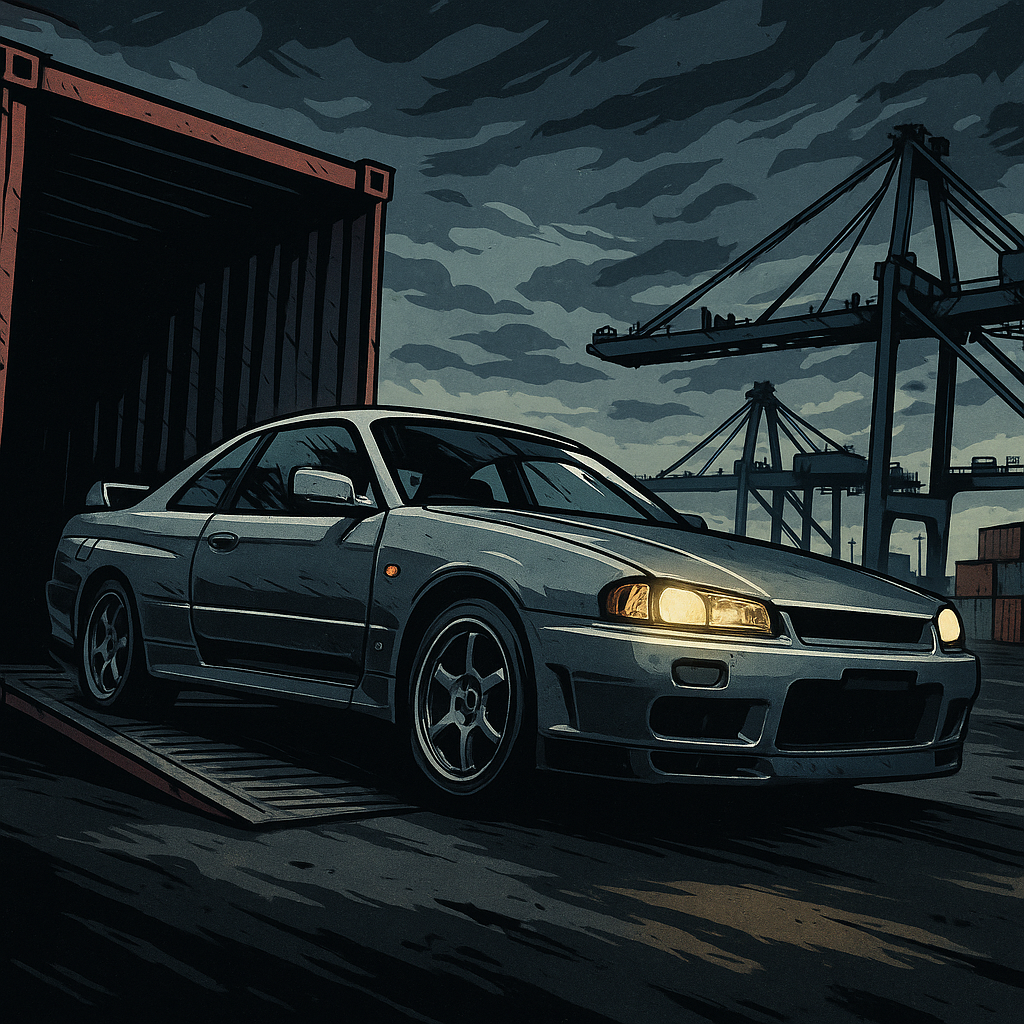
A grey import is any vehicle brought into the UK from overseas that wasn’t officially distributed here by the manufacturer. This is different from a parallel import, which uses the same manufacturer channel but comes via a different country. Grey imports typically arrive from Japan or North America, occasionally from Australia or the UAE. They’re not illegal, but they carry no type approval for UK or EU roads, which is where things start getting complicated.
The car hasn’t gone through the individual vehicle approval (IVA) process or the mutual recognition route that gives it a clean ticket to be registered here. That’s the core issue. Everything downstream, including insurance, financing, and MOT, flows from that single fact.
Type approval and DVLA registration: the bit that stings
Before the DVLA will register your grey import, it needs to pass an Individual Vehicle Approval test, administered by the DVSA. This checks lighting, dimensions, safety equipment, emissions, and a fairly long list of other items. The cost varies, but budget at least £200 to £400 for the test itself, and that’s before any remedial work. Headlights are a classic failure point because Japanese-spec dipped beams point the wrong way for left-hand driving, so you’ll often need to swap them out entirely.
Once you have your IVA certificate, the DVLA will issue a V5C, and your import becomes a properly registered UK vehicle. You can find the full process on the gov.uk vehicle approval page, which lays out every route clearly. The mistake most buyers make is assuming the process takes a few weeks. Realistically, with delays in booking DVSA slots and any remedial work required, allow two to three months minimum.
Insurance: prepare for some awkward conversations
This is where grey import cars in the UK earn their reputation for being a headache. Most mainstream insurers won’t touch a non-type-approved vehicle at all. Even after registration, insurers often flag imports as higher risk because replacement parts are harder to value and repair costs are harder to predict.
You’ll almost certainly end up with a specialist insurer. Companies like Adrian Flux and Footman James have dedicated import policies, but the premiums can be significantly higher than an equivalent UK-spec car. If you’re modifying the import on top of that, read the track day insurance guide first, because some policies have exclusions you’d never think to ask about.
Parts availability: the honest picture
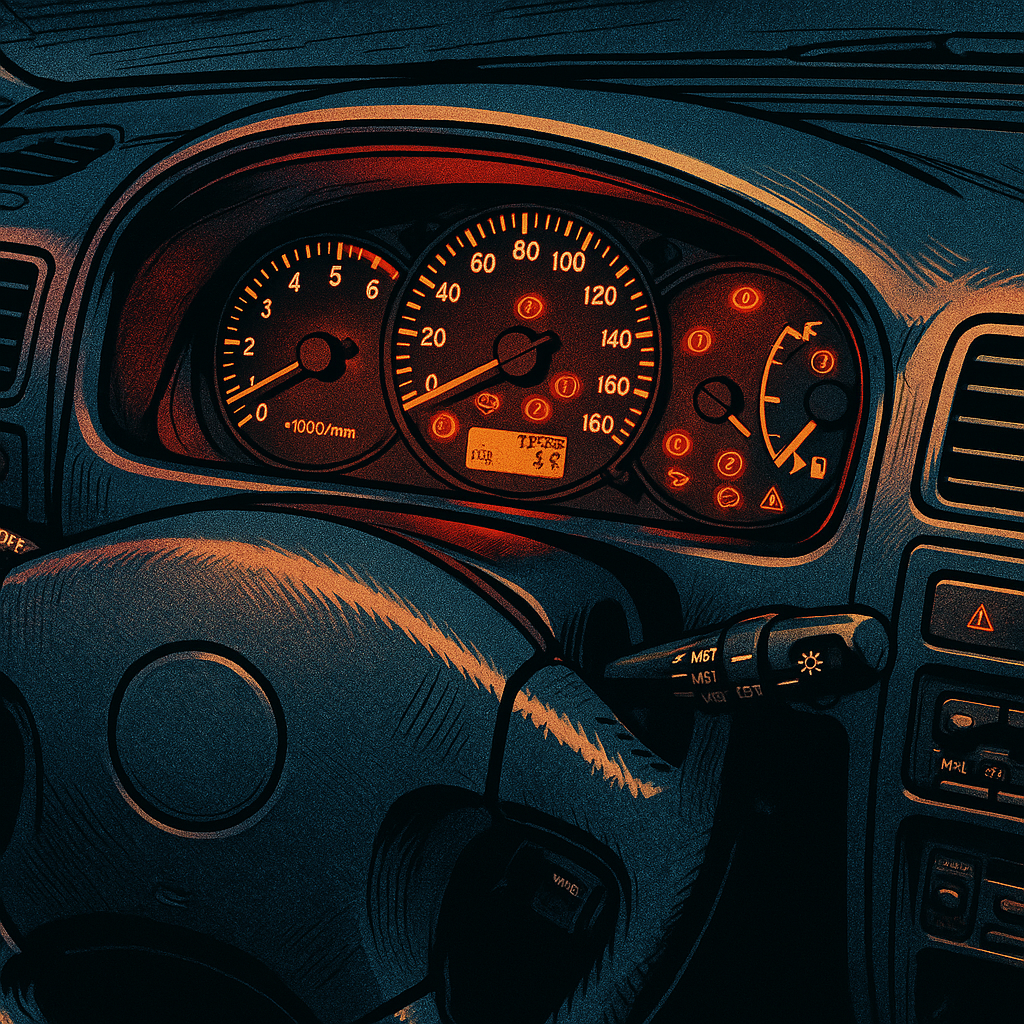
This is where the romance of owning something rare meets the cold reality of a Tuesday morning breakdown. For popular grey imports like the Nissan Skyline GT-R, Honda Integra Type R DC2, or Mitsubishi Lancer Evolution, parts are genuinely well-supported because the UK aftermarket grew to meet the demand years ago. You won’t struggle.
Where it gets painful is with models that never found the same cult following. Obscure Toyota Crown Majesta? You might be waiting weeks for something as basic as an alternator. JDM-spec suspension components, electronically controlled differentials, and multi-mode AWD systems from early 2000s Japanese machinery are sometimes simply unavailable through UK distributors. You end up going direct to Japan via specialist importers, which adds both cost and lead time.
Off-road-oriented grey imports face similar issues. If you’re hunting down a Japanese-domestic-market 4×4, sourcing the right spares can be an ordeal. Owners of older Mitsubishi Pajero Shoguns, for example, often rely on specialist retailers for correct-spec components; checking out Mitsubishi pajero parts from a dedicated supplier rather than a generic auto factor can save you a lot of wrong-part headaches.
Which grey import models are actually worth the hassle in 2026?
Let’s cut straight to it. There are genuinely brilliant grey imports that justify every bit of the admin. And there are models where you’ll spend more time frustrated than driving.
Nissan Skyline GT-R (R32, R33, R34): The R32 has been legal to import and register here for years now given its age, and the parts supply is excellent. Prices have risen sharply, but ownership infrastructure is solid. Worth it if you can afford it.
Honda Beat / S660: Tiny mid-engined kei sports cars that are genuinely joyful. IVA can be straightforward if they’re in good condition. Expect parts delays though. Worth it for the novelty and driving experience if you have a second daily driver.
Toyota Land Cruiser 70 Series (JDM spec): Hugely capable, deeply cult. Parts support is better than you’d expect through specialist Toyota dealers. If you want a serious off-roader with character, this one rewards patience.
Subaru Impreza WRX STI (earlier JDM-spec): Support network is enormous. The UK car scene practically built itself around these. No hesitation here.
Where I’d be cautious: anything with complex proprietary electronics in a generation where those systems are now ageing. Nineties-era Japanese luxury cars with multi-screen HVAC and adaptive suspension that nobody outside Japan stocks parts for. The ownership experience can become a full-time project. If that’s your thing, great. If not, look at something with a bigger support community. The honest UK resale guide for modified and specialist cars covers this territory well, and a lot of it applies directly to imports.
The real costs to factor in before you commit
Most buyers anchor on the purchase price and forget the stack of costs underneath it. A realistic budget for getting a grey import on UK roads should include: import duty (currently 6.5% on cars from Japan under the current trade agreement), VAT at 20% on the combined value, shipping from £1,200 upwards, IVA test fee, any modification work to pass IVA, UK registration fees, and first-year insurance on a non-standard vehicle.
On a £12,000 import, you could realistically spend another £4,000 to £6,000 before the car is legally on the road. That’s not scaremongering; it’s just maths. If the car still makes sense at that total figure, and for plenty of models it genuinely does, then go for it. If you’re already stretching to the headline purchase price, pump the brakes.
One thing that doesn’t get mentioned enough: modifications done to pass IVA can sometimes cause headaches at future MOTs if the work is patchy or undocumented. Keep every receipt and certificate. If you’re planning further modifications after registration, it’s worth reading up on the real cost of running a modified car through a UK MOT so you’re not blindsided later.
So, is a grey import worth it?
For the right buyer, absolutely. If you want something the UK market never got, you’re willing to do the research, and you’ve got a specialist insurer, a decent mechanic, and realistic expectations about parts lead times, grey importing is one of the best ways to get genuinely unique machinery on British roads. The UK car scene is richer for the people who make the effort.
Just go in with your eyes open. The hidden headaches are real, but so are the rewards. A car that turns heads at every meet, that nobody else on the road has, that you actually had to work to own, that counts for something.
Frequently Asked Questions
Are grey import cars legal to drive in the UK?
Yes, grey imports are legal in the UK, but they must go through the Individual Vehicle Approval (IVA) process and be properly registered with the DVLA before being driven on public roads. They are not illegal to own or import, but skipping the approval process is.
How much does it cost to register a grey import in the UK?
Beyond the purchase and shipping costs, expect to pay import duty (6.5% for cars from Japan), VAT at 20%, an IVA test fee of around £200 to £400, and any modification work needed to pass the test. On a mid-range import, total landing costs can add £4,000 to £6,000 on top of the car’s purchase price.
Which grey import cars have the best parts availability in the UK?
Nissan Skyline GT-Rs, Subaru Impreza WRX STIs, and Honda Integra Type Rs all have strong aftermarket support in the UK due to years of enthusiast demand. More obscure models, particularly rare Japanese luxury cars or unique JDM-only variants, can have very limited parts availability.