
Something small is happening on UK roads. Genuinely tiny. We’re talking sub-3.5-metre, 660cc, looks-like-a-toy-but-absolutely-rips small. Kei cars have been trickling into Britain for years, but in 2026 the trickle has become a proper wave, and the car meet crowd is losing its collective mind over them. I’ve spotted more Suzuki Every vans, Honda Beat roadsters and Daihatsu Midget IIs at weekend meets in the past six months than I have in the previous five years combined. Something shifted, and it’s worth understanding exactly what.
What actually is a kei car and why should you care?
Kei is short for keijidosha, meaning “light motor vehicle” in Japanese. Japan’s government created the category in 1949 to stimulate car ownership in a country still rebuilding after the war. The rules have evolved, but the current spec limits engine displacement to 660cc, power output to 47bhp, and overall length to 3.4 metres. Tax breaks and cheaper insurance in Japan incentivised the whole industry to take the format seriously, so manufacturers threw genuine engineering talent at the problem. The result? Cars with turbocharged all-wheel drive, mid-engine layouts, proper rev-happy naturally aspirated units and, in some cases, factory roll cages. Honda, Suzuki and Daihatsu built genuinely exciting machines that just happened to be minuscule.
For UK buyers the appeal is obvious. Running costs are absurdly low, they fit in any parking space, and the quirkiness factor is off the charts. I’d argue a clean Honda Beat parked at a meet draws more phone cameras than a new hot hatch costing ten times as much. That’s not nothing.
How the kei car import UK 2026 process actually works
Most kei cars arrive through specialist grey importers who source stock directly from Japanese auctions, the same auctioneers used for JDM imports generally. Because Japan’s shaken inspection system is expensive for older vehicles, perfectly functional cars get retired early and sold cheaply. A Honda Beat from the early 1990s can be acquired at auction for the equivalent of £1,500 to £3,000 before shipping, duties and conversion costs are factored in. Land that car in the UK and the total landed cost typically sits between £4,000 and £7,000 depending on condition and spec.
The DVLA side of things is where it gets interesting. Any kei car over 30 years old arrives as a Historic Vehicle, which means no MOT requirement and Vehicle Excise Duty at the £0 Historic Vehicle rate. Anything under 30 years needs a full SVA-style Individual Vehicle Approval (IVA) test unless it’s being registered as a used import with existing UK type approval, which kei vehicles almost certainly won’t have. The DVLA’s own guidance on new registrations makes the process clearer than most people expect, but it still pays to use an importer who handles the paperwork regularly rather than winging it yourself. A botched registration application costs both time and money.
Right-hand drive helps enormously here. Japan drives on the left, so the steering wheel is already on the correct side, and the conversion headaches that come with European grey imports largely disappear. Lights sometimes need adjustment to avoid dazzling oncoming traffic, and speedometers originally calibrated in kilometres per hour need recalibrating or a secondary display. That’s about it for most cars.
Running costs that make your mates cry into their finance agreements
This is where kei ownership gets genuinely wild. A 660cc engine sipping petrol on UK roads returns figures that feel almost fictional. Real-world MPG for naturally aspirated kei cars sits between 45 and 60MPG depending on how hard you’re pressing on. The turbocharged all-wheel drive versions like the Suzuki Alto Works or Daihatsu Mira TR-XX drop closer to 35MPG if you’re using that boost regularly, but that’s still respectable. Road tax on pre-2001 cars is under £200 per year. Parts are the interesting variable: mechanical components are cheap because these engines are simple and reliable, but body panels and trim pieces can be tricky to source without using a Japanese parts specialist like Amayama or a UK-based kei importer’s parts arm.
Insurance is the quirky one. Insurers in the UK are only just catching up with kei cars as a category. Some mainstream insurers simply don’t know what to do with a Subaru Sambar van or an Autozam AZ-1. Classic and specialist insurers who deal with grey imports regularly, Footman James, Adrian Flux and similar, tend to produce the most sensible quotes. The agreed-value policies available through classic car insurers often work brilliantly for kei cars because their market value is rising quickly and standard market-value policies can underinsure them badly. If you’re new to grey imports, our piece on grey import cars in the UK covers the broader insurance and registration landscape in detail, it’s worth reading before you commit to a purchase.
Why the car meet crowd is absolutely hooked
The scene has a few distinct factions driving kei interest right now. First are the JDM obsessives who’ve already gone through the obvious stuff, Skylines, Supras, Silvias, and want something rarer. A Mazda AZ-1 with its gullwing doors and mid-mounted 657cc turbo engine is genuinely rarer in the UK than an original Bugatti Veyron. Second are the younger buyers priced out of conventional modified car ownership by insurance premiums and fuel costs. A kei car gets you into the car culture conversation for under £5,000 all-in, which is remarkable in 2026. Third are the van and lifestyle crowd: the Suzuki Every and Honda Acty vans have become cult vehicles for the UK’s van life and custom build scene, turning up at shows with raised suspensions, custom interiors and roof racks laden with camping gear.
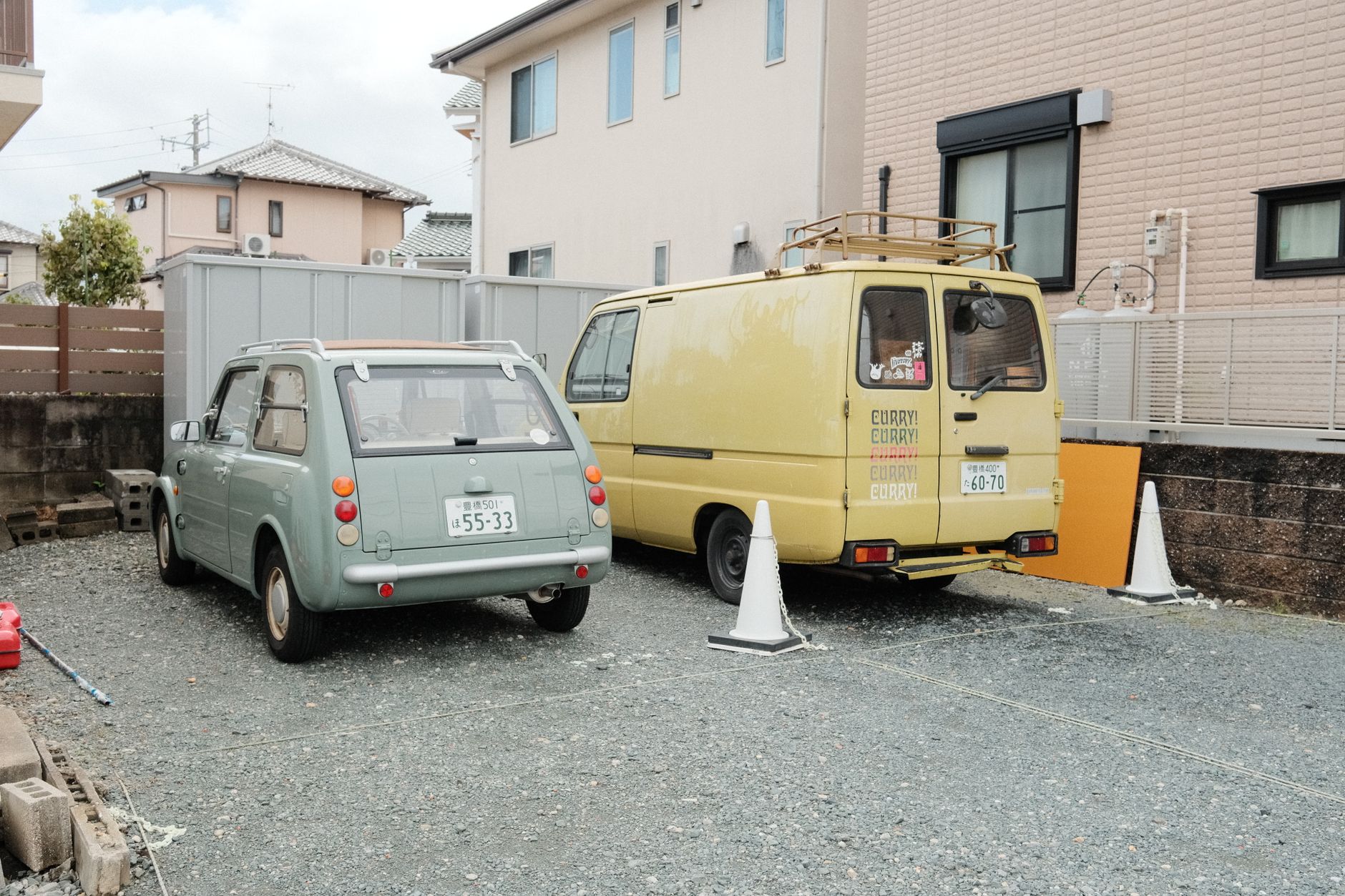
There’s also a food connection, because of course there is. The Japanese gyosha or trade vehicles, small kei trucks and vans used for deliveries and street food in Japan, translate brilliantly to the UK street food market. I’ve seen a converted Honda Acty serving specialty coffee at a car show in Birmingham, parked three spaces from a stock 1992 example that’d just been driven there from Leeds. Both drew a crowd. The crossover between food truck culture and kei van culture is only going to grow; you can see similar energy in how Korean street food trucks have been landing at UK car shows this year.
What to actually buy if you want in
The Honda Beat is the poster car of the moment: mid-engined, rear-wheel drive, naturally aspirated 656cc engine, pop-up headlights, an open roof. It drives like a Go-Kart with good manners and costs roughly £5,000 to £8,000 for a clean UK-registered example. The Suzuki Alto Works, turbocharged, all-wheel drive, properly fast for its size, is the performance pick, usually a touch cheaper because it’s less known outside hardcore JDM circles. If you want something truly unhinged, the Autozam AZ-1 (essentially a Mazda product) has gullwing doors, a mid-mounted Suzuki turbo engine and a face that looks like a cartoon spaceship. Finding one in the UK takes patience; budget £10,000 to £15,000 for a good one.
For the van crowd, clean Suzuki Every vans with four-wheel drive and the supercharged 660cc engine sit at £4,000 to £7,000 and make absurdly practical weekend builds. Whatever you choose, check the chassis number against Japanese auction sheets, most good importers will provide these, and confirm the mileage hasn’t been tampered with. Kei cars are generally honest machines, but the import pipeline has its corners.
The scene is only going one direction
Kei car import UK 2026 activity is accelerating. Supply from Japan remains strong while older cars continue to hit the 30-year historic threshold. The community around them, active Discord servers, dedicated Instagram pages, a growing presence at national shows, means knowledge is spreading fast. The cars that were being bought for novelty two years ago are now being bought as serious investments by people who’ve done their homework. If you’re thinking about it, do it now rather than in three years when prices have caught up with demand. I’d also suggest connecting with an established UK kei importer rather than going direct to auction yourself on a first purchase, the paperwork savings alone are worth the modest premium.
And if you turn up to a meet in one? You will not be standing in the shadow of someone else’s Skyline. You’ll be the one people are photographing. In car culture, that counts for a lot.
Frequently Asked Questions
Do kei cars need an MOT in the UK?
Kei cars over 30 years old are exempt from the MOT test under the Historic Vehicle exemption, the same rule that applies to all UK cars of that age. Younger kei cars require a full MOT annually once they’ve been registered, and may need an Individual Vehicle Approval (IVA) test before they can be registered at all.
How much does it cost to import a kei car to the UK in 2026?
A typical all-in cost for a kei car import UK 2026 sits between £4,000 and £8,000 for a clean, popular model like the Honda Beat or Suzuki Alto Works. That figure covers the Japanese auction price, shipping, import duty, VAT on used vehicles, and DVLA registration. Rarer models like the Autozam AZ-1 can reach £12,000 to £15,000.
Is insurance expensive for a kei car in the UK?
Not usually. Classic and specialist grey import insurers like Adrian Flux and Footman James tend to offer competitive agreed-value policies because the cars are low-powered and often used sparingly. Standard insurers sometimes struggle to categorise kei cars correctly, so it’s worth going straight to a specialist rather than using comparison sites.
Leave a Reply