
There’s a specific type of driver in the UK who doesn’t want what everyone else has. They’ve looked at the Golf GTI queue, glanced at the Civic Type R waiting lists, and quietly gone a different direction. In 2026, that direction is increasingly pointing at the Ford Puma ST. I’ve watched this car quietly build a cult following over the past couple of years, and right now it’s genuinely having a moment.
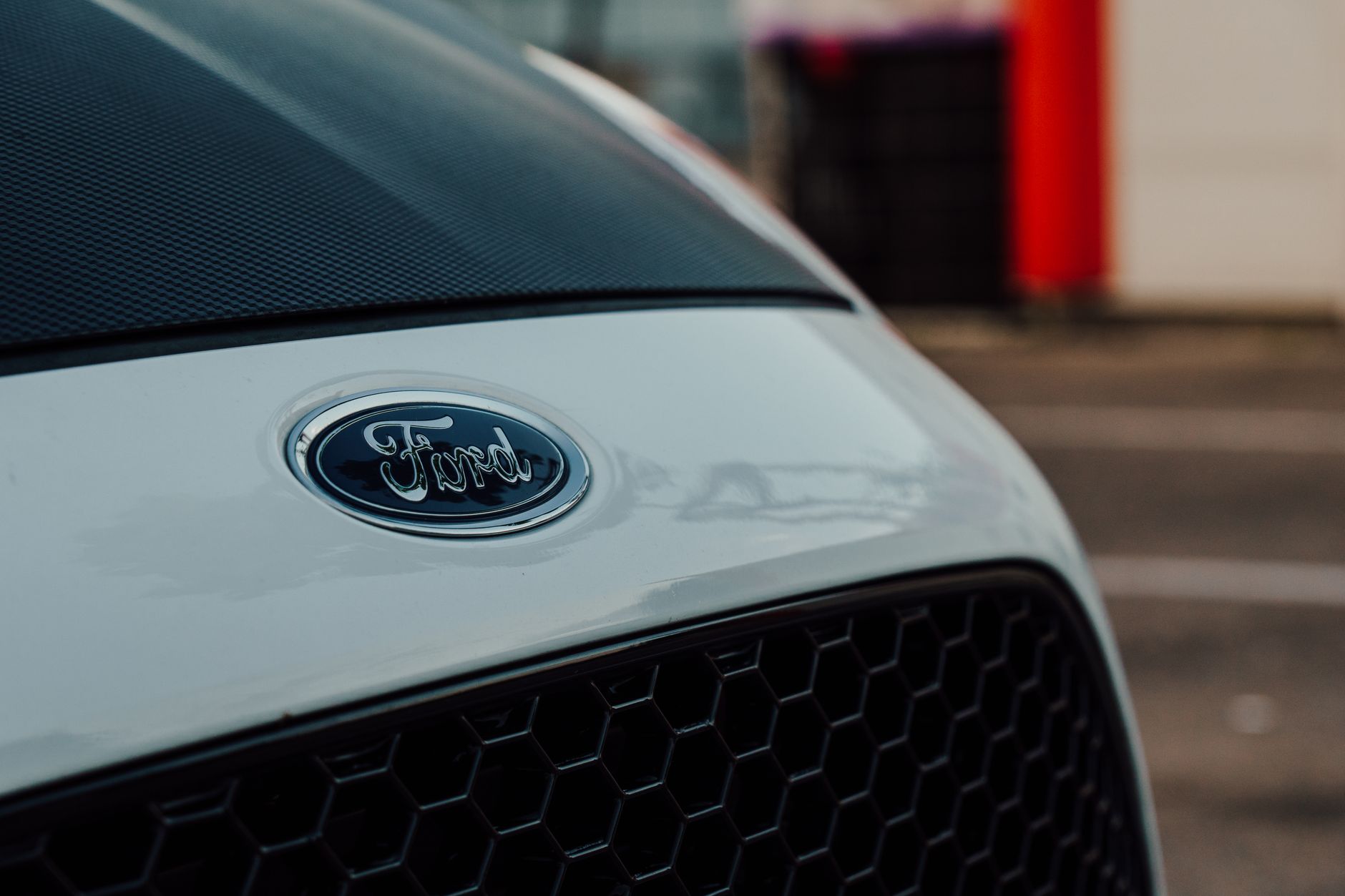
The ford puma st uk 2026 review conversation has shifted. It’s no longer about whether the Puma ST is a “proper” hot hatch. It clearly is. The conversation now is about why more people aren’t talking about it louder. The answer, weirdly, is part of the appeal.
What actually makes the Puma ST different
On paper, the Puma ST runs a 1.5-litre three-cylinder EcoBoost engine punching out 200PS. That number sounds modest until you account for the car’s weight. At around 1,350kg, it’s notably lighter than a Golf GTI, and you feel that immediately. The steering is direct without being twitchy, the chassis is planted without being stiff to the point of misery, and the three-cylinder soundtrack is genuinely one of the more characterful engine notes Ford has produced in years. It pops, it growls, and at full chat it sounds properly awake.
Ford’s Quaife-type mechanical limited-slip differential, the eLSD, does a lot of heavy lifting here. On a wet roundabout or a tight B-road hairpin, it’s the difference between understeer and properly engaging corner-exit traction. That bit of kit alone separates it from a lot of rivals at this price point. My take? The eLSD is what stops the Puma ST from being merely good and pushes it into genuinely excellent territory.
Sleeper credentials: the Golf GTI crowd won’t see you coming
The Puma ST looks like a Puma with a bodykit. That’s not an insult. It’s exactly what makes it such an effective sleeper. The subtle ST styling, wider arches, honeycomb grilles, quad exhausts, reads as sporty to people who know, and as a mildly specced crossover to everyone else. On a dual carriageway, nobody clocks you. At a car meet, the right people definitely do.
This is the bit I find genuinely interesting about the car’s growing cult status. UK car culture has always had a soft spot for the understated. The sleeper aesthetic runs deep in this scene, from diesel estates with big turbos hidden under standard bodywork to hot hatches deliberately kept stock-looking. The Puma ST hits that sweet spot without any work required from the owner. It arrives from the factory already playing the sleeper game.
Used market sweet spots in 2026
This is where things get properly interesting. The Puma ST launched in the UK in 2020, which means the used market is now well stocked with cars aged four to five years. According to Auto Trader UK, well-specced examples are sitting in the £18,000 to £22,000 range depending on mileage and spec, with early base-spec cars dipping below £17,000. For reference, a comparably aged Golf GTI with similar mileage typically sits £3,000 to £5,000 higher. The value equation is hard to ignore.
The ST Edition is the one to chase if you can find it. It came with the Performance Pack included as standard, meaning you get the Quaife eLSD, upgraded Brembo front brakes, and the Michelin Pilot Sport 4 tyres from new. Avoid early cars that skipped the Performance Pack if you’re planning any spirited driving, the difference on track or on a proper B-road is significant. Mileage below 30,000 is achievable at these prices, which for a hot hatch in its prime is a solid position to be buying from.
One thing worth checking before you buy: the three-cylinder engine has a known oil consumption quirk on higher-mileage examples. It’s not catastrophic, but keep an eye on levels between services. A pre-purchase inspection from a Ford specialist or an independent who knows ST variants is money well spent. Running a modified car through an MOT is stressful enough without starting with hidden engine issues, as any owner who’s dealt with the real cost of a modified car MOT will tell you.
Who’s actually buying it
The Puma ST crowd is a mix. There are the practical buyers who wanted a hot hatch but needed the raised ride height and the slightly larger boot for real life. There are the older enthusiasts who owned a Puma in the late 1990s and feel a genuine connection to the nameplate. And there’s a growing contingent of younger drivers who’ve looked at the insurance costs on a Golf GTI and found the Puma ST quotes meaningfully lower. That last group matters a lot to the car’s cultural momentum right now. If you’ve read about why UK car insurance is brutalising younger drivers in 2026, you’ll understand exactly why insurance group placement makes or breaks a car purchase decision for that demographic.
At car meets, the Puma ST is increasingly appearing alongside the usual suspects: MK7 GTIs, FK8 Type Rs, GR Yaris owners, a smattering of Hyundai i30 Ns. It holds its own in that company without apology. The community around it is still small enough to feel like a proper tribe rather than a generic hot hatch club, which for UK car culture is basically a selling point in itself.
Modifications worth considering (and ones to leave alone)
The aftermarket for the Puma ST has matured fast. A stage one map on the 1.5 EcoBoost can push power figures past 230PS with no hardware changes, and reputable UK tuners like Mountune offer bolt-on power kits that sit comfortably within modified car legality. Suspension upgrades from Eibach and Weitec have proven popular for those wanting sharper responses without wrecking ride quality on potholed UK roads.
What I’d leave alone: the exhaust. The factory three-cylinder note is genuinely good, and most aftermarket systems on a three-pot end up sounding either buzzy or comically over-loud. The car doesn’t need it. Similarly, aggressive lowering looks great on social media and punishes your spine everywhere else. The factory ride height on the Puma ST is already well judged for UK roads. Trust Ford’s engineers on that one.
For anyone curious about whether a stage one map affects resale value or complicates MOT checks, the short answer is: mapped correctly, it’s a minor issue, but it’s always worth being straight with buyers. The honest guide to modified car resale values covers the full picture if you’re weighing that decision up.
Why 2026 is the right time to get one
Ford has moved the Puma range increasingly towards hybrid powertrains, and a full ST replacement is far from confirmed. That creates a specific window where the current petrol Puma ST sits at peak used-market value for buyers: old enough to be affordable, young enough to have years of good driving left in it. Prices won’t stay where they are indefinitely. The enthusiast community is cottoning on, and as the car’s reputation builds, the best examples will get harder to find at sensible money.
The ford puma st uk 2026 review consensus among owners and enthusiasts is consistent: this is one of the best driver’s cars available for under £20,000 right now. It’s not perfect. The infotainment feels dated, rear headroom is tight, and the three-cylinder engine will always attract snobbery from the six-pot crowd. But on the road that matters, the one you’re actually driving on, it’s brilliant. That’s the only review that counts.
Frequently Asked Questions
Is the Ford Puma ST worth buying in 2026?
Yes, particularly on the used market. Well-specced ST Edition examples are available from around £18,000 to £22,000, making them significantly better value than comparable Golf GTI alternatives. The car’s driving dynamics, eLSD, and understated looks hold up well in 2026.
What is the Ford Puma ST 0-60 time?
Ford quotes the Puma ST at 6.7 seconds from 0-60mph, which feels honest in real-world conditions. With a stage one map applied by a reputable UK tuner, drivers report noticeably quicker responses, though official times haven’t been independently retested.
How does the Ford Puma ST compare to the Golf GTI?
The Puma ST is lighter, cheaper to buy used, and arguably more engaging on tight roads thanks to its eLSD. The Golf GTI has better rear headroom, a more premium interior feel, and stronger residuals. For driving enjoyment per pound spent, the Puma ST edges it.
What should I check when buying a used Ford Puma ST?
Confirm the Performance Pack is fitted (Quaife eLSD, Brembo brakes, Michelin tyres). Check oil levels carefully on higher-mileage examples as the 1.5 EcoBoost three-cylinder can consume oil above 40,000 miles. A pre-purchase inspection from a Ford specialist is strongly recommended.