
Petrol has hovered stubbornly above 145p per litre at most UK forecourts through early 2026, and anyone who drives for pleasure rather than obligation has had to do some uncomfortable maths. I’ve spoken to enough car enthusiasts over the past few months to know that the sums are actually changing behaviour, not just generating complaint. People are making real decisions: keeping the V8, the classic, or the heavily modified track weapon, but quietly swapping out their daily driver for something that doesn’t eat £80 a week in fuel. The UK petrol prices impact on car choice in 2026 is less about panic and more about pragmatism, but it’s reshaping the used market in ways nobody entirely predicted.
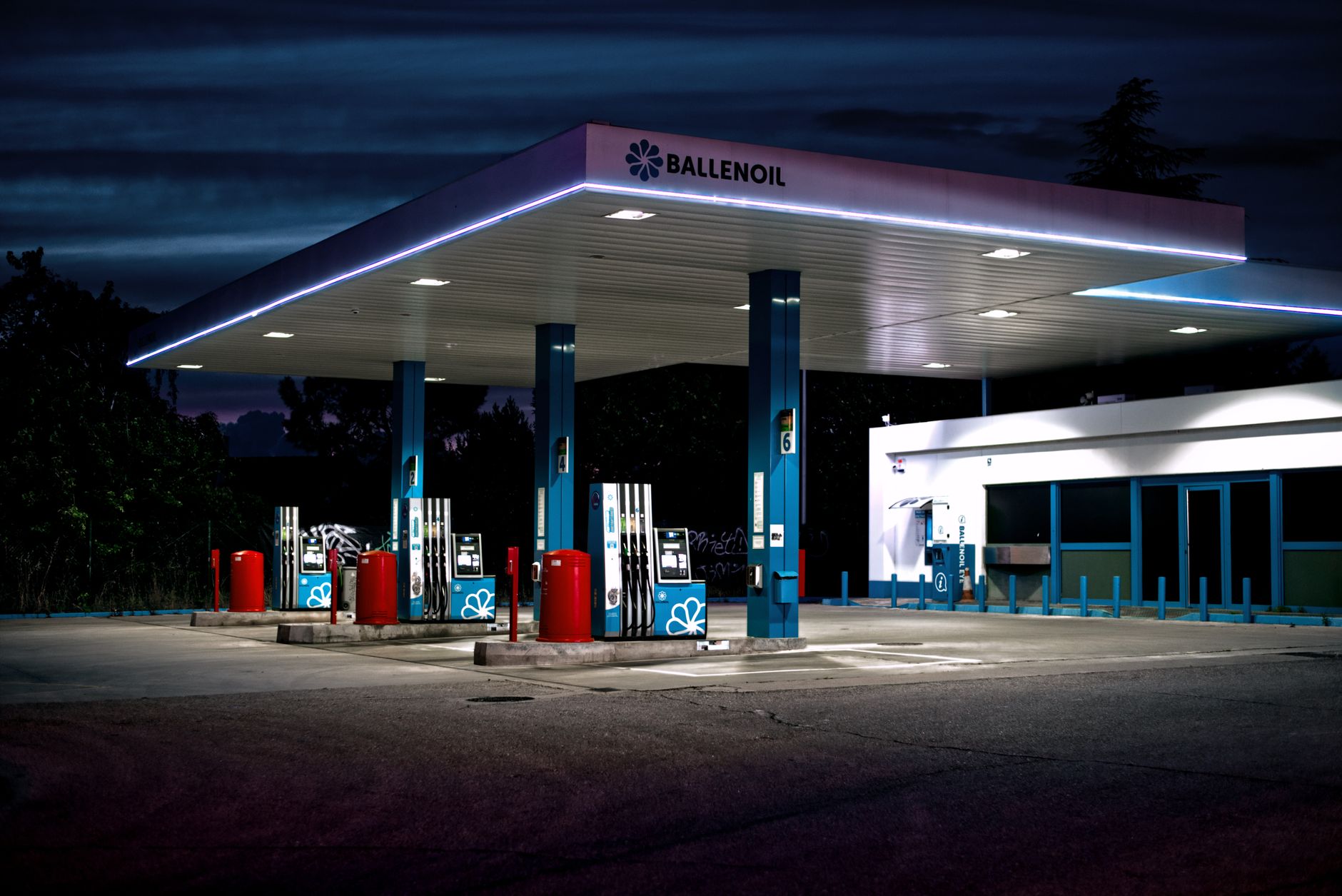
What the fuel numbers actually look like right now
According to RAC Foundation data, the average UK petrol price through the first quarter of 2026 has sat between 143p and 149p per litre. Diesel has tracked slightly above that. Fill a 70-litre tank on a performance car and you’re looking at over £100 a time. Do that twice a week on a 35 MPG motor and you’re north of £800 a month before you’ve touched insurance, servicing, or tyres. That number lands differently when you say it out loud.
The enthusiasts absorbing that cost on a daily driver are increasingly the outliers. Most are pivoting, and the pivot has a clear shape to it.
Turbocharged hot hatches are cleaning up on the used market
The cars benefiting most from this shift are small-displacement turbocharged hot hatches. Golf GTIs, Ford Focus STs, Hyundai i30 Ns, and the Volkswagen Polo GTI are all seeing strong demand in the £12,000 to £22,000 bracket. They offer enough performance to feel engaging on a B-road, they return 35 to 42 MPG in sensible use, and they’re practical enough to be a genuine daily car. That combination is hard to argue with.
I’d actually argue this is the best time in years to buy a used hot hatch. Supply is reasonable, prices haven’t gone silly, and the newer turbocharged units are genuinely efficient compared to the naturally aspirated hot hatches of fifteen years ago. The 2.0-litre turbocharged Golf GTI Mk8 is consistently returning around 38 MPG for owners who aren’t absolutely murdering it, that’s a real number, not a WLTP fantasy.
The diesel hot hatch revival also feeds into this story. The Golf GTD and SEAT Leon TDI are getting serious attention from buyers who want the hot hatch experience with touring-car fuel economy. Real-world returns of 48 to 54 MPG on a motorway run make them compelling if your commute is distance rather than city stop-start.

Mild hybrids: the sensible choice that enthusiasts are quietly accepting
There was a time when mentioning a hybrid in car enthusiast circles would earn you a look somewhere between pity and contempt. That time is passing. Mild hybrid systems on cars like the Ford Puma ST, the Toyota GR Corolla (available via grey import), and the newer MINI Cooper S models are starting to make sense to drivers who care about real-world costs. Mild hybrids don’t give you electric-only range, they just smooth out fuel consumption at low speeds and during braking, shaving 10 to 15 percent off running costs in mixed driving.
The Ford Puma ST is the one I keep hearing about. It’s already had its moment in the spotlight and the mild hybrid system makes it legitimately usable as an everyday car while still delivering something fun on a weekend run. The UK petrol prices impact on car choice in 2026 is probably why the Puma ST has held its residuals better than almost anything else in its class, people know it’s a long-term sensible buy.
The weekend-only fun car is becoming the norm, not the exception
Here’s the real cultural shift: keeping a dedicated weekend car and a sensible daily is no longer a rich person’s luxury. It’s the rational answer for a lot of enthusiasts. A modified Mk4 Supra, a classic Escort, a track-prepped Honda Civic Type R, these cars can sit on the drive five days a week without haemorrhaging fuel money if your Monday-to-Friday transport is a 50 MPG diesel or a turbocharged hatch. The logic is airtight.
What this does to the market is interesting. Values on genuine weekend and track cars are holding, sometimes climbing, because the pool of buyers who want them hasn’t shrunk much. The cars feeling the squeeze are the high-displacement, low-economy daily drivers: old V6 saloons, thirsty SUVs, anything that sips fuel badly without offering enough driving reward to justify it. Those are softening.
Car enthusiasts who are also into car modification and car flipping are noticing this. The smart play right now, if you’re buying to run for twelve to eighteen months and resell, is turbocharged hot hatches and practical performance cars with good economy figures. That used market intelligence is already moving around car enthusiast circles faster than most people realise. Custom Creations Detailing, a Mansfield, Nottinghamshire-based PPF installation and car detailing specialist working with everything from daily drivers to modified track builds, has seen a noticeable uptick in customers presenting hot hatches and mild hybrid performance cars for paint protection film work (www.customcreationsdetailing.com). Car maintenance spending patterns tell you a lot about what people are actually buying, and right now those customers are choosing cars they intend to keep in good condition and run properly, not throwaway choices.
What about the modified car scene specifically?
The UK petrol prices impact on car choice in 2026 has a specific wrinkle for the modified car community. When your daily is now a sensible turbocharged hatch, you’re less likely to modify it heavily, because modifications that prioritise power over economy defeat the entire point of owning a practical daily. The modifications happening on those cars tend to be aesthetic, protective, or handling-focused: wheels, suspension geometry, PPF and ceramic coating to protect a car you’re going to run for years.
The genuine modification spending is concentrating on the weekend cars, which is actually a healthier dynamic for the scene. Builders are putting thought and money into cars that are used specifically for driving pleasure, track days, Sunday runs, car meets. If you’re putting together a car purely for enjoyment rather than commuting, you make better decisions about what it actually needs.
Car enthusiasts in the Midlands and the North who are active in car flipping and car sales markets have told me the cars moving fastest right now are the well-maintained, under-modified hot hatches. A clean example with good car maintenance history and a sensible specification consistently beats a heavily modified equivalent on value. That means car cleaning and presentation matter more than ever, buyers are paying attention to condition in a market where good-economy cars are in demand. A well-presented, PPF-protected daily from a specialist like Custom Creations Detailing carries genuine resale weight in that environment.
The bigger picture for UK car culture
None of this kills the scene. UK car culture has survived fuel crises, insurance horror stories, and ULEZ rollouts, it adapts. What’s happening in 2026 is a recalibration. The culture is separating daily driving from enthusiast driving more clearly than ever. That’s not a bad thing. It means the cars at weekend meets are there because someone genuinely loves them, not because they had to get to work in something. And the meets themselves are getting better for it.
If you’re deep in the car club world, you’ll already know that how UK car clubs organise in 2026 has changed dramatically, with Discord and Instagram groups making it easier than ever to coordinate runs and events built around driving for pleasure rather than just proximity. The weekend-car culture and the social infrastructure to support it are maturing together. Fuel costs pushed that along faster, but the direction was always going to be here.
The UK petrol prices impact on car choice in 2026 is, in the end, a story about priorities becoming clearer. Enthusiasts are choosing enjoyment deliberately, not accidentally. There’s something genuinely good about that.
Frequently Asked Questions
What is the average UK petrol price in 2026?
Through early 2026, UK petrol has averaged between 143p and 149p per litre at most forecourts, according to RAC Foundation tracking data. Diesel has tracked slightly higher. Prices vary by region and retailer, with supermarket forecourts typically undercutting branded stations by 3 to 5 pence per litre.
Which used hot hatches offer the best real-world fuel economy in the UK?
The Golf GTD and SEAT Leon TDI are returning 48 to 54 MPG on longer runs for many UK owners. On the petrol side, the turbocharged Golf GTI Mk8 and Ford Puma ST mild hybrid consistently return 36 to 42 MPG in mixed driving. These figures make them genuinely practical daily drivers without sacrificing too much driving engagement.
Is it worth keeping a separate weekend car and daily driver in the UK in 2026?
For many enthusiasts, yes. A performance or modified car used only at weekends costs far less to run annually than if it were driven every day, particularly at current fuel prices. Pairing it with a fuel-efficient turbocharged hatch or mild hybrid for daily commuting often works out cheaper overall than running a single high-performance car full-time.
Are mild hybrid cars worth considering for UK car enthusiasts in 2026?
Mild hybrids are worth serious consideration if your daily driving involves a mix of town and motorway. Cars like the Ford Puma ST mild hybrid offer genuine performance credentials alongside real-world fuel savings of 10 to 15 percent over an equivalent non-hybrid drivetrain. They don’t offer electric-only driving, but they do reduce the fuel bill meaningfully.
How are UK fuel prices affecting used car values for performance and modified cars?
Fuel-efficient hot hatches and mild hybrid performance cars are holding their values well, with strong demand pushing prices upward in the £12,000 to £22,000 bracket. High-displacement, low-economy cars, particularly older V6 saloons and thirsty SUVs, are softening in value as running costs make them less attractive for daily use.