
Ten years ago, a car meet got organised through a forum thread, a Facebook event nobody fully trusted, and about forty text messages. Turnout was maybe thirty cars if you were lucky. Now? A single pinned message in a Discord server can put two hundred motors in a car park by midnight. UK car club community online organising in 2026 has completely rewired how the scene works, and the results are equal parts brilliant and complicated.
I’ve been part of meets across the Midlands and up into Yorkshire for the better part of a decade, so I’ve watched this shift happen in real time. The energy is bigger. The builds are wilder. The food spots get scouted in advance. But the heat from venues, councils, and occasionally the police has intensified alongside it. Here’s the full picture.
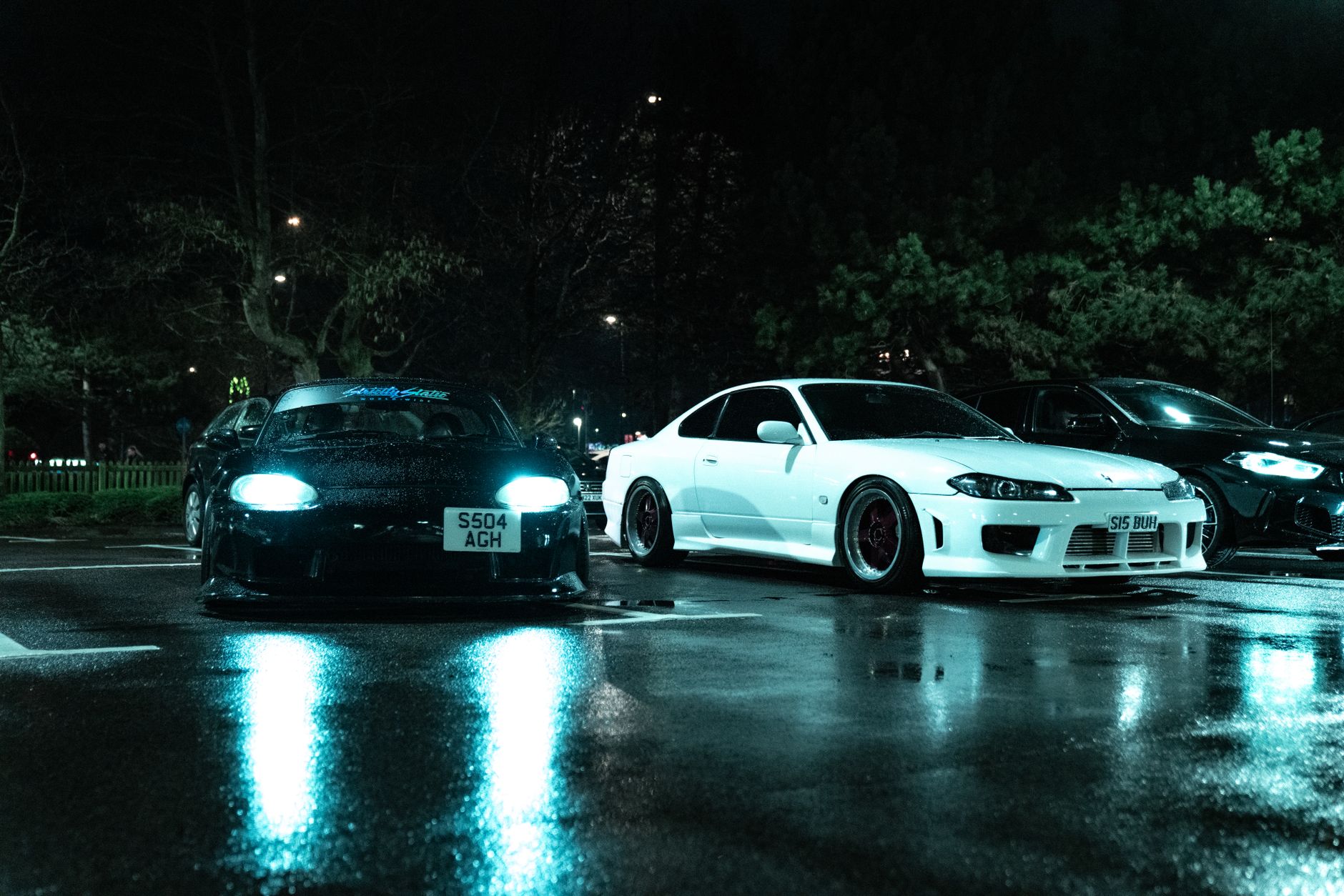
Why WhatsApp groups are still the backbone of UK car meets
WhatsApp remains the most direct tool most clubs are using in 2026, and for good reason. Nearly everyone has it, notifications land instantly, and the admin controls are decent enough to keep things organised. Most active clubs run at least two groups: one for general chat and one locked to trusted members where the actual location drops happen. That two-tier system matters more than people realise.
The problem is scale. Once a group pushes past 150 people, it becomes noise. Messages get buried, randoms slip through, and the tight-knit feel evaporates. The smarter clubs I’ve spoken to cap their main WhatsApp at around 80 members and use a secondary channel for looser announcements. It keeps the signal clean.
Discord is where the real car tribe building happens
Discord has moved from being a gaming tool to one of the most capable community platforms the car scene has. A properly structured server lets you separate channels by region, build type, photography, food runs, and event planning without everything colliding. I’ve seen clubs run dedicated channels for trackday logistics, MOT prep threads, and post-meet critique sessions that would have taken three forum threads and a WhatsApp argument two years ago.
The bot integrations are genuinely useful too. Reaction-role systems mean members self-select into regional sub-groups, so a Manchester lad isn’t drowning in Bristol meet notifications. Event bots push calendar reminders automatically. And because Discord keeps message history indefinitely, there’s an actual archive of where the club has been and what it’s built.
The trade-off? Discord requires a bit of effort to set up properly, and new members find it less intuitive than a WhatsApp group. Clubs that work around this usually assign a dedicated server mod who handles onboarding, which sounds formal but takes about twenty minutes a week in practice.
Instagram and the double-edged sword of visibility
Instagram is where UK car club community online organising in 2026 gets genuinely complicated. The platform is incredible for reach, for showcasing builds, for pulling new members into the community and for making a meet look like an event worth attending. A well-shot Reel of last month’s meet, posted at 7pm on a Thursday, can add fifty followers overnight and turn them into regulars within a month.
But Instagram is also public. Everything posted there is searchable, screenshottable, and indexable. When clubs broadcast their location or post stories that show exactly where they are in real time, they’re not just inviting enthusiasts. They’re handing a roadmap to anyone who wants to disrupt things, including venues that then decide the liability isn’t worth it and council noise teams who start taking an interest. I’ve seen a spot that hosted brilliant meets for two years get shut down within six weeks of a club’s Instagram account blowing up and geo-tagging the location in a post caption. That stings.
The smarter approach I’ve seen clubs take is treating Instagram as a highlights reel rather than a live broadcast. Post the cars, post the food, post the culture. Never post the address. Never use location tags on the venue itself. Keep the actual logistics inside the closed platforms.
Police intelligence and why digital trails matter
This is the part most organisers don’t want to think about but genuinely need to. UK policing around car meets has grown noticeably more sophisticated. Under the Road Traffic Act 1988, Section 59, officers can seize vehicles being used in a manner causing alarm, distress or annoyance, and they don’t need much to justify a dispersal order. What they do need is intelligence, and public social media posts are one of the easiest sources they have.
Open Facebook events listing a specific car park at a specific time on a Saturday night are, functionally, a planning document for whoever decides to show up, including people whose idea of a meet is burning out on a residential road. When that happens, it poisons the location for the enthusiasts who actually behave themselves. The clubs that have held their spots for years tend to be the ones operating on invite-only digital infrastructure and keeping their public social presence focused on culture rather than logistics.
Keeping your community tight as it grows
The tension every car club hits eventually is the same one: you want to grow the scene, but growth brings dilution. The answer most established UK clubs have landed on is a vetting layer. New members join a public Discord or follow the Instagram, they lurk for a bit, and then they get an invite to a meet. If they show up, conduct themselves properly, and fit the vibe, they get access to the inner channels. It’s not elitist, it’s just self-preservation.
Food runs have actually become one of the better informal vetting tools. Post-meet dinners, whether it’s Korean BBQ in a city centre or a late-night chicken spot, filter out the people who are only there for the noise and keep the ones who are genuinely in it for the community. The culture around food and cars is more intertwined than people outside the scene realise, and it serves a genuine social function beyond just being hungry after a meet.
What the best-run UK clubs are doing differently
The clubs that consistently pull strong turnouts without losing venues or attracting problems share a few habits. They build real relationships with venue owners before a single car turns up, not after. They have a named contact for every location. They leave spots cleaner than they found them, which sounds basic but is apparently still revolutionary in parts of this scene.
On the digital side, they use closed platforms for logistics and public platforms for culture. They moderate actively. They have clear rules pinned at the top of every channel, and they enforce them without drama. And they keep an eye on which UK cities are genuinely supportive of car culture rather than burning energy on areas where council attitudes make organised meets almost impossible.
UK car club community online organising in 2026 is more powerful than it’s ever been. The tools are genuinely good. The turnouts are real. But the organisers who make it work long-term are the ones treating digital infrastructure like a responsibility rather than just a convenience. Keep it tight, keep it smart, and the scene takes care of itself.